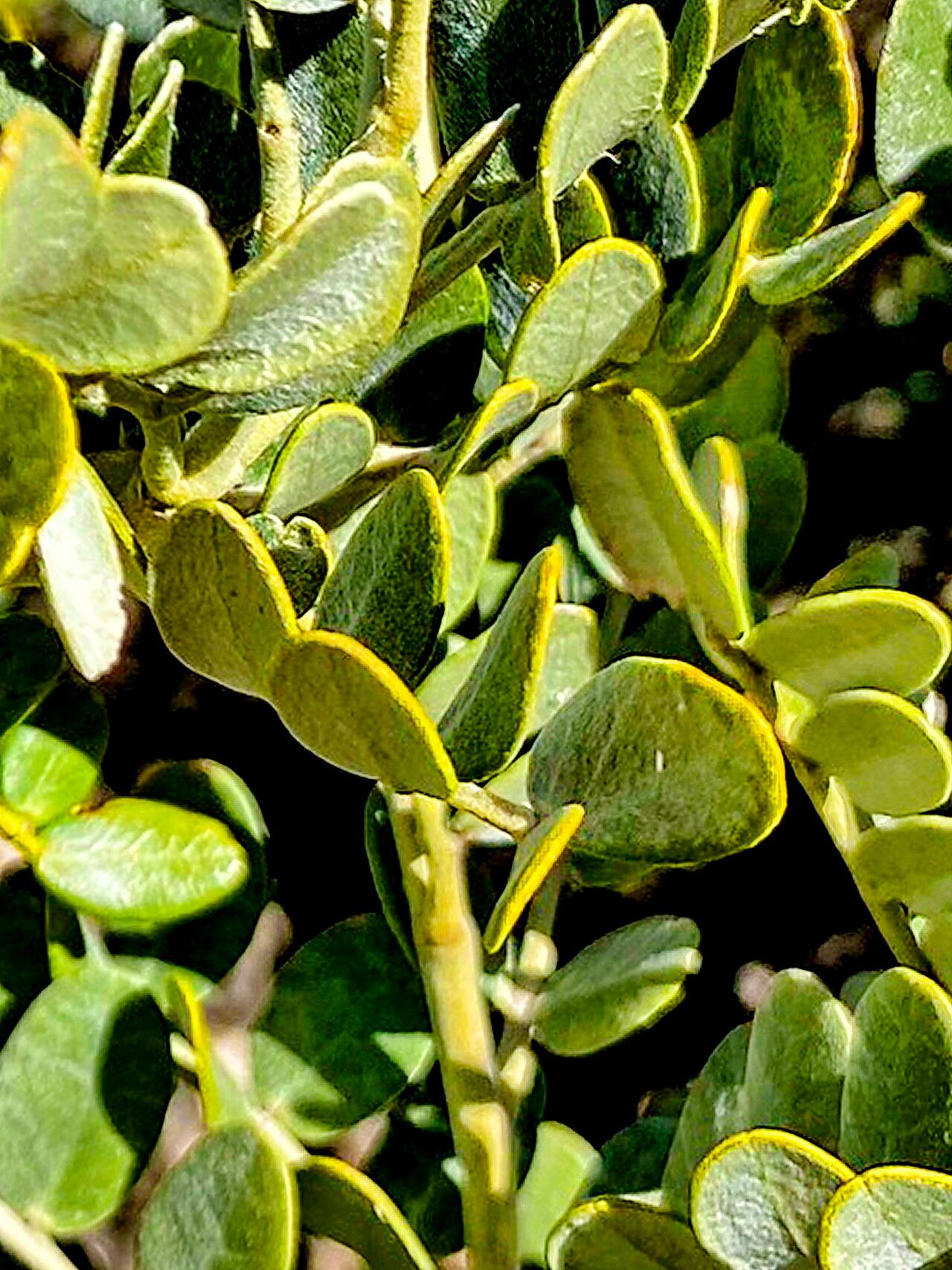
Hello plant pals! I’m so delighted to share a little bit about a plant that has truly captured my heart over the years: Dermatophyllum gypsophilum. If you’re drawn to its delicate, ethereal blooms and its lovely, almost silvery foliage, you’re in for a treat. Propagating this beauty yourself is incredibly rewarding. Now, I’ll be honest, for absolute beginners, it might present a slight challenge, but with a bit of care and attention, you’ll be well on your way to a whole patch of these gems!
The Best Time to Start
When it comes to getting the most bang for your buck with propagation, late spring to early summer is your golden window. This is when the plant is in its active growth phase, meaning it’s full of energy and readily producing new shoots. You’ll want to select cuttings that are firm and young, but not too soft. Think of wood that’s just beginning to harden – not brittle and old, but not floppy and brand new either.
Supplies You’ll Need
To set yourself up for success, gathering the right tools is half the battle. Here’s what I always have on hand:
- Sharp, clean pruning shears or a sharp knife: For making clean cuts that heal well.
- Rooting hormone (optional, but recommended): This can give your cuttings a nice boost. Look for one specifically for herbaceous cuttings.
- A well-draining potting mix: I prefer a blend of equal parts peat moss and perlite, or a commercial seed-starting mix.
- Small pots or seed trays: With drainage holes, of course!
- A spray bottle: For gentle misting.
- Clear plastic bags or a propagation dome: To create a humid environment.
- Labels and a marker: To keep track of your efforts!
Propagation Methods
The most reliable way I’ve found to propagate Dermatophyllum gypsophilum is through stem cuttings. It’s straightforward and gives you excellent results.
- Take Your Cuttings: On a pleasant morning, after the dew has dried, use your clean shears to take cuttings that are about 4 to 6 inches long. Make the cut just below a leaf node (where a leaf attaches to the stem). Gently remove the lower leaves, leaving just a few at the top.
- Apply Rooting Hormone (If Using): Dip the cut end of the stem into your rooting hormone powder or gel. Tap off any excess.
- Plant Your Cuttings: Fill your small pots or trays with your prepared potting mix. Make a hole with your finger or a pencil and gently insert the cut end of the stem. Firm the soil around the base to ensure good contact.
- Water Gently: Water the soil thoroughly but gently. You don’t want to dislodge the cuttings.
- Create Humidity: Cover the pots with a clear plastic bag or place them under a propagation dome. This will keep the moisture in and create that vital humid environment the cuttings need to root. Ensure the leaves aren’t touching the plastic if possible.
- Provide Bright, Indirect Light: Place your cuttings in a spot that receives bright, indirect light. Avoid direct sun, which can scorch the delicate cuttings.
The “Secret Sauce” (Pro Tips)
Here are a few tricks I’ve learned over the years that can really make a difference:
- Bottom Heat is Your Friend: If you have a propagation mat, placing your pots on it can significantly speed up rooting. The warmth encourages root development from below. Don’t go too hot, though; a gentle warmth is ideal.
- Don’t Overwater, but Don’t Let Them Dry Out: This is a fine balance. Check the soil moisture regularly. It should feel consistently moist but not waterlogged. The plastic cover helps, but sometimes you’ll need to briefly lift it to let in some air and check.
- Patience is a Virtue (and Essential!): Dermatophyllum gypsophilum isn’t the fastest rooter. I’ve found it can take anywhere from 4 to 8 weeks for significant root development to occur. Resist the urge to tug on your cuttings to check for roots; you’ll likely damage delicate new growth.
Aftercare & Troubleshooting
Once you start to see signs of new growth at the tips of the stems, congratulations! That’s usually a good indicator that roots have formed.
- Acclimate Gradually: Begin by slowly removing the plastic cover or opening the dome for increasing periods each day over a week. This helps the new plants adjust to the drier air.
- Continue Watering: Keep the soil consistently moist. You can gently water from the bottom now, allowing the soil to wick up moisture.
- Watch for Trouble: The most common issue is rot. If you see stems turning mushy or black, it’s usually a sign of too much moisture and not enough air circulation. If this happens, you might need to discard the affected cutting and ensure better ventilation for the others. Yellowing leaves can sometimes mean too much direct sun or not enough water, so observe closely.
A Little Encouragement
Propagating plants is a beautiful dance with nature. Not every cutting will make it, and that’s perfectly okay. Celebrate the successes, learn from the challenges, and most importantly, enjoy the process. You’re nurturing new life, and that’s a truly special thing! Happy gardening!
Resource: