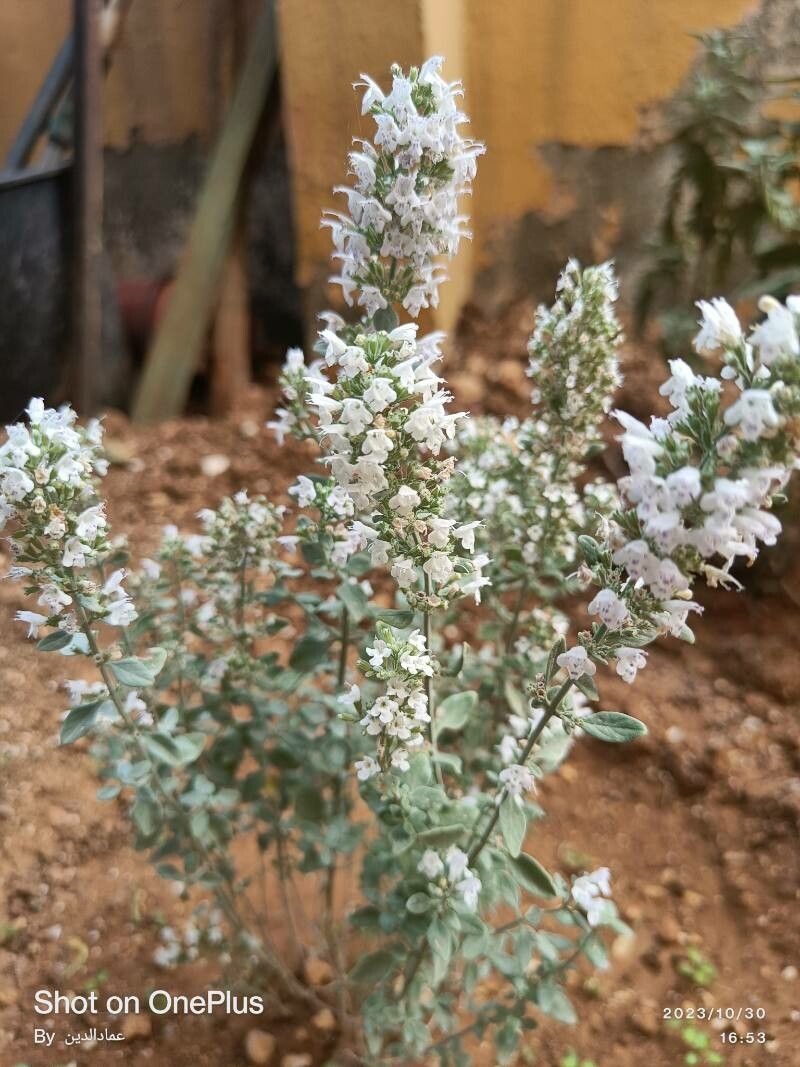
Oh, hello there, fellow plant enthusiast! Pull up a chair and let’s chat about one of my absolute favorites: Clinopodium serpyllifolium. You might know it by its common name, creeping savory, or perhaps a fragrant pillow in your garden. Its tiny, aromatic leaves and delicate little flowers are just charming, and the scent when you brush past it is divine. The best part? Propagating this little gem is a truly rewarding way to fill your garden with its lovely fragrance and subtle beauty. Good news for you beginners out there – this one is generally quite forgiving!
The Best Time to Start
When it comes to getting reliable results with Clinopodium serpyllifolium, late spring to early summer is your golden window. This is when the plant is actively growing and has plenty of energy to put into developing new roots. You’ll want to look for stems that are new and flexible, not woody or old. These “softwood” cuttings root much more readily.
Supplies You’ll Need
Before we get our hands dirty, let’s gather our tools. Having everything ready makes the process so much smoother!
- Sharp Pruning Shears or a Craft Knife: For clean cuts that heal well.
- Small Pots or Seed Trays: With drainage holes, of course!
- A Well-Draining Potting Mix: I usually go with a mix of equal parts perlite and peat moss or coco coir. Some gardeners also like to add a bit of horticultural sand.
- Rooting Hormone (Optional but Recommended): A powder or gel can significantly speed up root formation.
- A Spray Bottle: For misting.
- Plastic Bags or a Clear Dome: To create a mini-greenhouse effect.
- Water Source: For watering and misting.
Propagation Methods
Let’s dive into how we can multiply our creeping savory!
Stem Cuttings: My Go-To Method
This is by far the easiest and most successful way to propagate Clinopodium serpyllifolium in my experience.
- Select Your Cuttings: Find healthy, non-flowering shoots that are about 3-4 inches long. Gently twist or cut them from the parent plant using your clean shears or knife. Try to make your cut just below a leaf node – that’s the little bump where leaves emerge from the stem.
- Prepare the Cuttings: Carefully remove the lower leaves from the bottom inch or so of each cutting. This prevents them from rotting in the soil. You want a clean stem to insert into the potting mix.
- Apply Rooting Hormone (If Using): Dip the cut end of each stem into your rooting hormone, tapping off any excess. The hormone helps stimulate root development.
- Plant Your Cuttings: Fill your pots with your prepared potting mix. Make a small hole in the center of each pot with your finger or a pencil. Gently insert the cuttings, ensuring the bottom leaf nodes are below the soil surface.
- Water Gently: Water the soil lightly to settle it around the cuttings. You don’t want to drown them.
- Create a Humid Environment: Cover the pots with a plastic bag or a clear dome to keep humidity high. Make sure the plastic doesn’t touch the leaves of the cuttings as much as possible. You can use stakes to prop it up if needed.
- Find a Bright Spot: Place the pots in a bright location that receives indirect sunlight. Avoid direct sun, which can scorch the delicate new cuttings.
Water Propagation (With a Caveat)
While you can propagate creeping savory in water, I find it a bit trickier. If you try it:
- Take your cuttings as described above, removing all lower leaves.
- Place the cuttings in a small jar or glass of water.
- Crucially, ensure none of the leaves are submerged in the water. They will rot quickly.
- Change the water every few days to keep it fresh.
- Wait for roots to form, then carefully transplant them into soil. This method tends to be more prone to rot if you’re not diligent.
Division: For Established Plants
If you have a mature, established clump of Clinopodium serpyllifolium, dividing it is a simple way to get more plants.
- Dig Up the Plant: Gently dig up the entire clump.
- Separate the Roots: You can usually tease the root ball apart with your hands or use a spade or two knives to carefully separate sections. Ensure each division has a good portion of roots and some healthy foliage.
- Plant and Water: Replant the divisions into prepared soil at the same depth they were growing. Water them in well.
The “Secret Sauce” (Pro Tips)
Here are a few little tricks I’ve picked up over the years that can really give your propagation efforts a boost.
- Bottom Heat is Your Friend: If you can, place your pots on a heating mat designed for seedlings. This gentle warmth from below encourages root formation beautifully. It truly makes a difference when you’re trying to speed things along.
- Don’t Over-Mist: While humidity is essential, constantly drenching the leaves can lead to fungal issues. A light misting once or twice a day is usually sufficient, especially if you have them covered. Feel the soil – it should be consistently moist, but not waterlogged.
- Give Them a Gentle Tug: After a few weeks, you can very gently tug on a cutting. If you feel resistance, congratulations – you’ve got roots! If it pulls out easily, it hasn’t rooted yet.
Aftercare & Troubleshooting
Once your cuttings have developed a nice root system – you’ll see them appearing through the drainage holes or feel that tugging resistance – it’s time for a little more focused attention.
Aftercare:
- Acclimatize: Gradually introduce your new plants to less humid conditions by removing the plastic cover or dome for increasing periods each day.
- Potting Up: Once they’ve established in their initial pots, you can transplant them into larger pots with fresh, regular potting soil. Continue to water them regularly, allowing the soil to dry slightly between waterings.
- Outdoors: After they’ve grown a bit and all danger of frost has passed, you can plant your new Clinopodium serpyllifolium out into their permanent garden home.
Troubleshooting:
- Wilting and Yellowing: This is often a sign of not enough moisture or too much direct sun. Check the soil moisture and move them to a shadier spot.
- Rotting and Black Stems: This is usually caused by too much moisture coupled with poor air circulation. Make sure your soil drains well, and try to keep the leaves dry. If you see rot, it’s often best to discard the affected cutting.
- No Rooting: Sometimes, cuttings just don’t take. Don’t be discouraged! Try again, perhaps with younger stems or by adjusting your timing.
A Little Encouragement to Finish
Propagating plants is such a joy, isn’t it? It’s like unlocking a little bit of nature’s magic. Be patient with your new Clinopodium serpyllifolium, and don’t be afraid to experiment. Every gardener has their own little secrets and successes. Enjoy the process of nurturing these tiny new lives, and soon you’ll have a whole garden full of their sweet fragrance and delicate charm! Happy growing!
Resource: