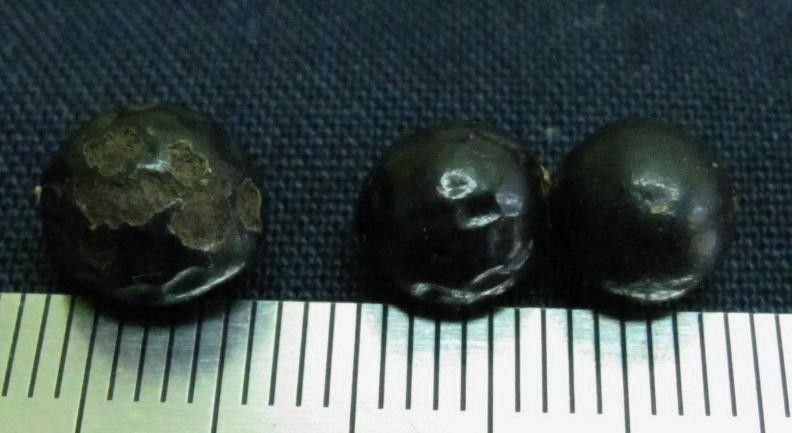
Hello, fellow plant lovers! Today, I want to talk about a little gem that’s captured my heart: Chamaedorea pygmaea, the diminutive and delightful pygmy Chamaedorea palm. If you’re looking for a miniature palm that’s just bursting with tropical charm, this is your plant. It has these exquisitely delicate fronds and a compact habit that makes it perfect for terrariums, vivariums, or even as a desk companion. Propagating them? Oh, it’s a truly rewarding experience. You get to witness new life emerge, and it’s not as daunting as you might think. For many, it’s fairly approachable once you understand a few key things.
The Best Time to Start
When our little pygmy palms are actively growing, that’s when they’re most receptive to propagation. Think late spring or early summer. The days are getting longer, temperatures are warming up, and the plant has stored up plenty of energy to dedicate to making new roots and shoots. Avoid trying this when the plant is stressed, perhaps from extreme cold or heat, or during its natural dormancy period in winter.
Supplies You’ll Need
To get started on your propagation journey, gather these items:
- Sterilized pruning shears or a sharp knife: Clean tools are essential to prevent disease.
- A well-draining potting mix: A blend of peat moss, perlite, and a bit of orchid bark works beautifully. You want something that won’t hold too much moisture.
- Rooting hormone (optional but recommended): A powder or gel will give your cuttings a real boost.
- Small pots or propagation trays: Clean containers are a must. I like to use small terracotta pots for their breathability.
- A spray bottle: For misting.
- Plastic bags or a humidity dome: To create a greenhouse effect for your cuttings.
- Labels: To keep track of what you’ve propagated and when.
Propagation Methods
Chamaedorea pygmaea is most commonly and successfully propagated through division. These palms tend to produce clumps of new growth from their base over time.
Division Method:
- Gently remove the parent plant from its pot. Tip the pot on its side and gently ease the plant out. You might need to tap the bottom of the pot to loosen it.
- Examine the root ball. Look for distinct sections of the plant that have their own root system. You’ll often see new shoots emerging from the base.
- Carefully separate the divisions. Using your sterilized hands or a blunt tool, gently tease apart the clumps. If they are really tight, a sterilized knife or even fine-toothed saw can be used, but be as gentle as possible to minimize root damage. Ensure each division has a good portion of roots attached.
- Pot up your divisions. Fill your clean pots with your well-draining potting mix. Make a small hole in the center and place your division in it, spreading out the roots.
- Gently firm the soil around the base. Water thoroughly to settle the soil.
While stem cuttings aren’t the primary method for this particular palm, if you find a side shoot with a bit of stem and potential for roots, you could try it. However, division is far more reliable and less stressful for the plant.
The “Secret Sauce” (Pro Tips)
Here are a couple of things I’ve learned over the years that really make a difference:
- Don’t over-pot your divisions: It’s tempting to put a division into a large pot, but smaller pots are actually better. They dry out more evenly and reduce the risk of root rot, which is the bane of many gardeners! A pot that’s just slightly larger than the root ball is perfect.
- Introduce bottom heat if you can: These tropical beauties love a bit of warmth from below, especially in cooler climates. A seedling heat mat placed under your pots can significantly encourage root development. Just make sure it’s set to a gentle warmth, not scorching hot!
Aftercare & Troubleshooting
Once your divisions are potted up, the goal is to mimic their natural environment as much as possible. Keep the soil consistently moist but not waterlogged. I like to mist the foliage occasionally, especially if you’ve enclosed them in a plastic bag or covered them with a humidity dome. This helps them acclimatize.
The biggest thing to watch out for is root rot. Signs of this include yellowing leaves that feel mushy, a wilting appearance even when the soil is moist, and a general decline of the plant. If you see this, act fast! You might need to unpot the division, trim away any rotted roots with sterilized tools, and repot in fresh, dry potting mix. Sometimes, a little patience is needed; it can take several weeks for new root growth to become established.
A Little Patience Goes a Long Way
Don’t get discouraged if your first few attempts aren’t perfect. Gardening is a journey, and propagating Chamaedorea pygmaea is a wonderful way to learn and grow alongside your plants. Enjoy the process, celebrate each little sprout, and soon you’ll have a whole collection of these charming miniature palms to share and admire! Happy growing!
Resource:
https://identify.plantnet.org/k-world-flora/species/Chamaedorea%20pygmaea%20H.Wendl./data