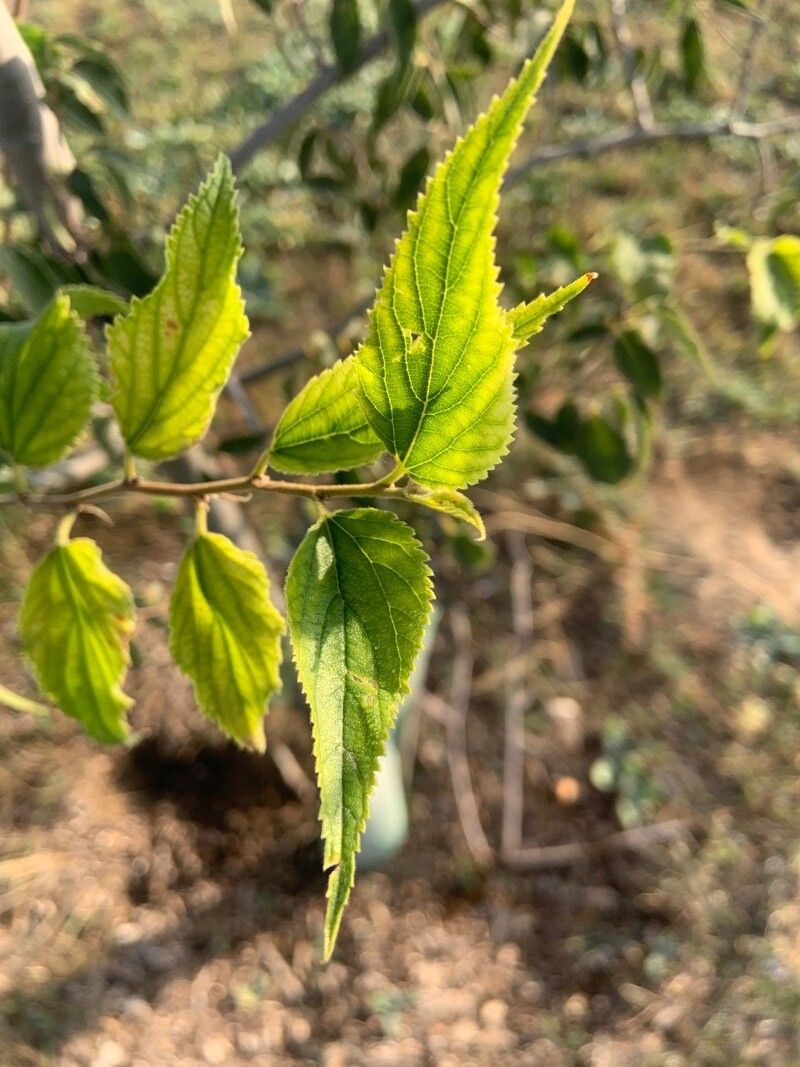
Oh, hello there! I’m so glad you’re curious about propagating Celtis africana. It’s a truly magnificent tree, isn’t it? With its graceful form and lovely yellow autumn colour, it brings such charm to any garden. And guess what? You can absolutely bring more of this beauty into your life by propagating your own! Don’t let the big Latin name fool you; while it’s not quite as beginner-proof as, say, a spider plant, it’s definitely achievable with a little patience and know-how. I’ve had great success with it over the years, and I think you will too.
The Best Time to Start
For Celtis africana, I find the late spring to early summer is your golden window. This is when the plant is in active growth, and cuttings taken now have the best chance of rooting. You’ll want to look for stems that are becoming slightly woody but aren’t fully mature and hard. Think of it as the perfect “in-between” stage.
Supplies You’ll Need
Gathering your tools beforehand makes the whole process so much smoother. Here’s what I usually have on hand:
- Sharp pruning shears or a clean knife: For making precise cuts.
- Rooting hormone powder or gel: This really gives your cuttings a boost.
- A well-draining potting mix: I like a 50/50 blend of peat moss and perlite, or a commercial seed starting mix.
- Small pots or seedling trays: With drainage holes, of course!
- A plastic bag or propagator: To create a humid environment.
- A watering can with a fine rose: For gentle watering.
Propagation Methods
I find that stem cuttings are your most reliable bet for bringing new Celtis africana plants to life. Here’s how I go about it:
- Take Your Cuttings: Early in the morning, while the plant is still turgid, select healthy, one-year-old shoots that are about 4-6 inches long. Make a clean cut just below a leaf node. Remove the lower leaves, but leave a few at the top to help with photosynthesis.
- Prepare the Cuttings: Dip the cut end of each cutting into rooting hormone. Tap off any excess.
- Plant Your Cuttings: Fill your pots with your prepared potting mix and moisten it thoroughly. Make a small hole with a pencil or your finger, and insert the cutting, ensuring the nodes where you removed leaves are buried. Gently firm the soil around the base.
- Create Humidity: Water lightly. Then, cover the pots with a plastic bag or place them in a propagator. This is crucial for preventing the cuttings from drying out. You can prop up the bag with a few sticks to keep it from touching the leaves.
The “Secret Sauce” (Pro Tips)
Now, let’s talk about a couple of little tricks that can really make a difference:
- Bottom Heat is Your Friend: If you have a heat mat, pop your pots on it. A little warmth from below can significantly speed up root development by encouraging soil temperatures to around 70-75°F (21-24°C). It’s like giving your cuttings a cozy warm bed!
- Don’t Drown Them: While humidity is key, you don’t want soggy soil. Check the moisture regularly. The soil should feel evenly moist, not waterlogged. Overwatering is one of the quickest ways to invite rot, which is our enemy here. Lightly mist the leaves inside the propagator now and then if they seem to be wilting.
Aftercare & Troubleshooting
Once your cuttings have rooted – and this can take anywhere from six weeks to a few months – you’ll start to see new leaf growth. That’s your cue!
- Gradual Acclimatization: When you see that new growth, begin to gradually remove the plastic cover or open the propagator vents over a week or two. This helps the new plants adjust to normal humidity levels.
- Careful Watering: Continue to water gently, allowing the top inch of soil to dry out between waterings.
- Signs of Trouble: The most common issue you might face is rot. If a cutting turns black and mushy, or if the leaves just shrivel and die without any new growth, it’s likely a goner. This usually points to too much moisture or insufficient air circulation. Don’t be discouraged; just try again with a fresh cutting and perhaps adjust your watering.
A Little Patience Goes a Long Way
Propagating trees can feel like a slow dance, but the reward of nurturing a new life from just a small snippet of stem is truly immense. Observe your cuttings, provide them with consistent care, and trust the process. Enjoy the journey of bringing more of these beautiful Celtis africana trees into your world. Happy gardening!
Resource:
https://identify.plantnet.org/k-world-flora/species/Celtis%20africana%20Burm.f./data