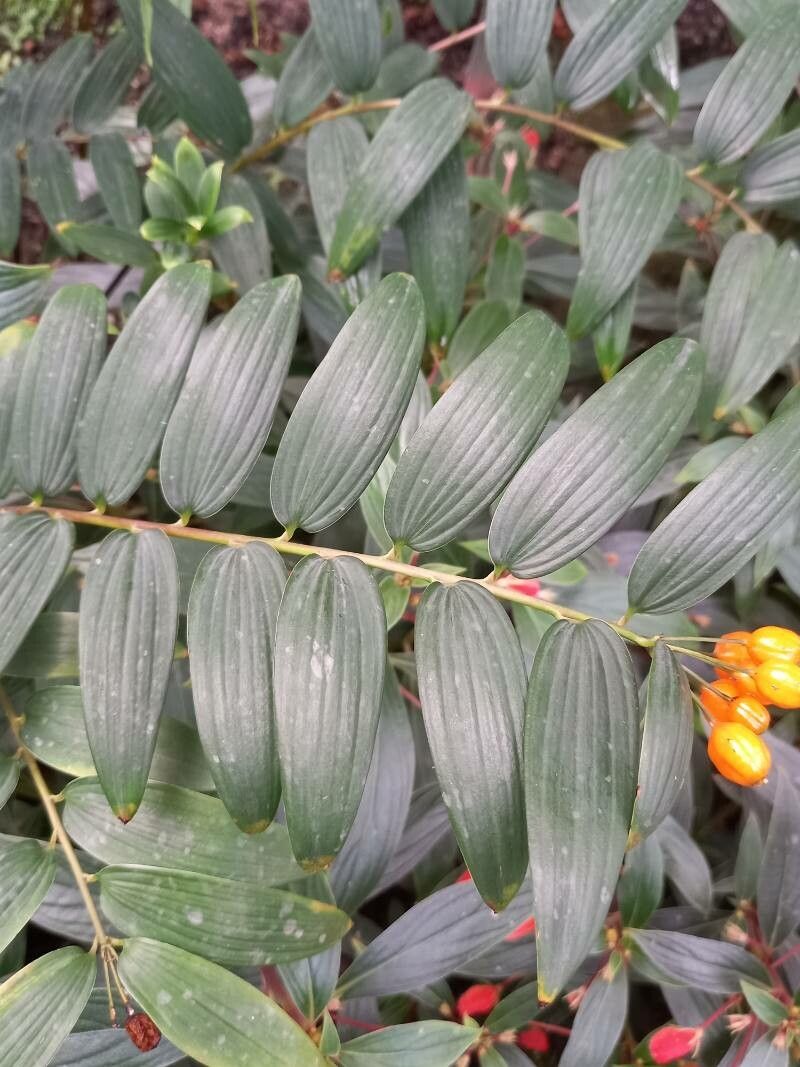
Oh, Bomarea distichifolia! If you’ve ever seen one of these beauties, you know why they’re so captivating. Their cascading blooms are simply breathtaking, like living jewels draped in green. And the best part? You can bring that magic into your own garden by propagating them! It’s a truly rewarding experience to witness a tiny cutting transform into a thriving plant. Now, I’ll be honest, Bomarea can be a little bit of a diva when it comes to propagation, so it might not be the absolute easiest plant for a complete novice, but with a little patience and these tips, you’ll be well on your way to success.
The Best Time to Start
For Bomarea distichifolia, spring is absolutely your golden ticket. This is when the plant is bursting with new growth after its winter rest. You want to take cuttings or divide when the plant is actively growing, not when it’s stressed or dormant. Aim for when you see plump, healthy new shoots emerging.
Supplies You’ll Need
- Sharp, clean pruning shears or a sharp knife: Essential for making clean cuts.
- Rooting hormone powder or gel: This is like a little boost for your cuttings.
- A well-draining potting mix: I like a blend of perlite, peat moss, and a bit of compost. You want it light and airy.
- Small pots or trays: Clean ones are a must to prevent disease.
- Clear plastic bags or propagation domes: To create that humid environment cuttings love.
- A watering can with a fine rose: Gentle watering is key.
- Labels: Trust me, you’ll forget what you planted and when!
Propagation Methods
Bomareas are best propagated through division and stem cuttings.
Division (The Most Reliable Method)
This is usually the most successful way to propagate your Bomarea. It’s a bit like giving your plant a haircut and a new lease on life!
- Gently unpot your Bomarea. You want to be as kind as possible to its delicate root system.
- Examine the root ball. You’ll usually see where the plant has naturally divided into clumps or tubers.
- Using your hands or a clean, sharp knife, carefully separate the clumps. Each division should have at least one healthy shoot and some roots attached. If a division looks a bit sad and rootless, don’t despair; sometimes they’ll still take!
- Pot each division into its own small pot with your prepared well-draining mix.
- Water gently and place the pots in a warm, bright location, but out of direct, scorching sun. Keep the soil consistently moist but not waterlogged.
Stem Cuttings (Requires a Bit More Patience)
This method is more about coaxing new life from a piece of stem.
- Select healthy, non-flowering stems that are actively growing. Look for stems that are a bit firm but not woody.
- Make a clean cut just below a leaf node. This is the point where a leaf grows from the stem. Your cutting should be about 4-6 inches long.
- Remove the lower leaves, leaving just a couple at the top.
- Dip the cut end into rooting hormone. Gently tap off any excess.
- Insert the cutting into your prepared potting mix. Make a small hole with a pencil or your finger first to avoid rubbing off all the rooting hormone.
- Gently firm the soil around the cutting.
- Water lightly.
- Cover the pot with a clear plastic bag or propagation dome to maintain high humidity. Make sure the leaves do not touch the plastic.
- Place the pot in a warm spot with bright, indirect light.
The “Secret Sauce” (Pro Tips)
Here are a couple of little tricks I’ve learned over the years that can really make a difference:
- Bottom Heat is Your Friend (for cuttings): Bomarea cuttings love a bit of warmth from below. Placing your pots on a seedling heat mat can significantly speed up root development and increase your success rate. About 70-75°F (21-24°C) is perfect.
- Don’t Be Too Eager to Uncover: Resist the urge to remove the plastic cover too soon for your cuttings. They need that high humidity to prevent drying out until they’ve established roots. You can gradually acclimate them by lifting the cover for a short time each day once you see signs of new growth.
Aftercare & Troubleshooting
Once your divisions or cuttings have started to show signs of new growth (this can take several weeks, so be patient!), it’s time for a little more attention.
- Gradually acclimate your new plants to normal room humidity. Start by lifting the plastic for increasing amounts of time.
- Continue to keep the soil consistently moist but not soggy. Overwatering is the quickest way to invite trouble.
- Once you see strong new shoots and healthy leaf growth, you can treat them as you would a mature plant, gradually introducing them to more light.
The most common sign of failure to watch out for is rot. If your cutting turns black and mushy, or the base of your division looks slimy, it’s likely drowning or has a fungal issue. This often points to overwatering and poor drainage. Ensure your pot has drainage holes and you’re using that light, airy soil mix.
A Little Encouragement
Propagating Bomareas is a journey, not a race. Some attempts will be more successful than others, and that’s perfectly okay! Enjoy the process, celebrate the tiny victories, and don’t be afraid to try again. With a little practice and these tips, you’ll soon be surrounded by the enchanting blooms of your own Bomarea creations. Happy gardening!
Resource: