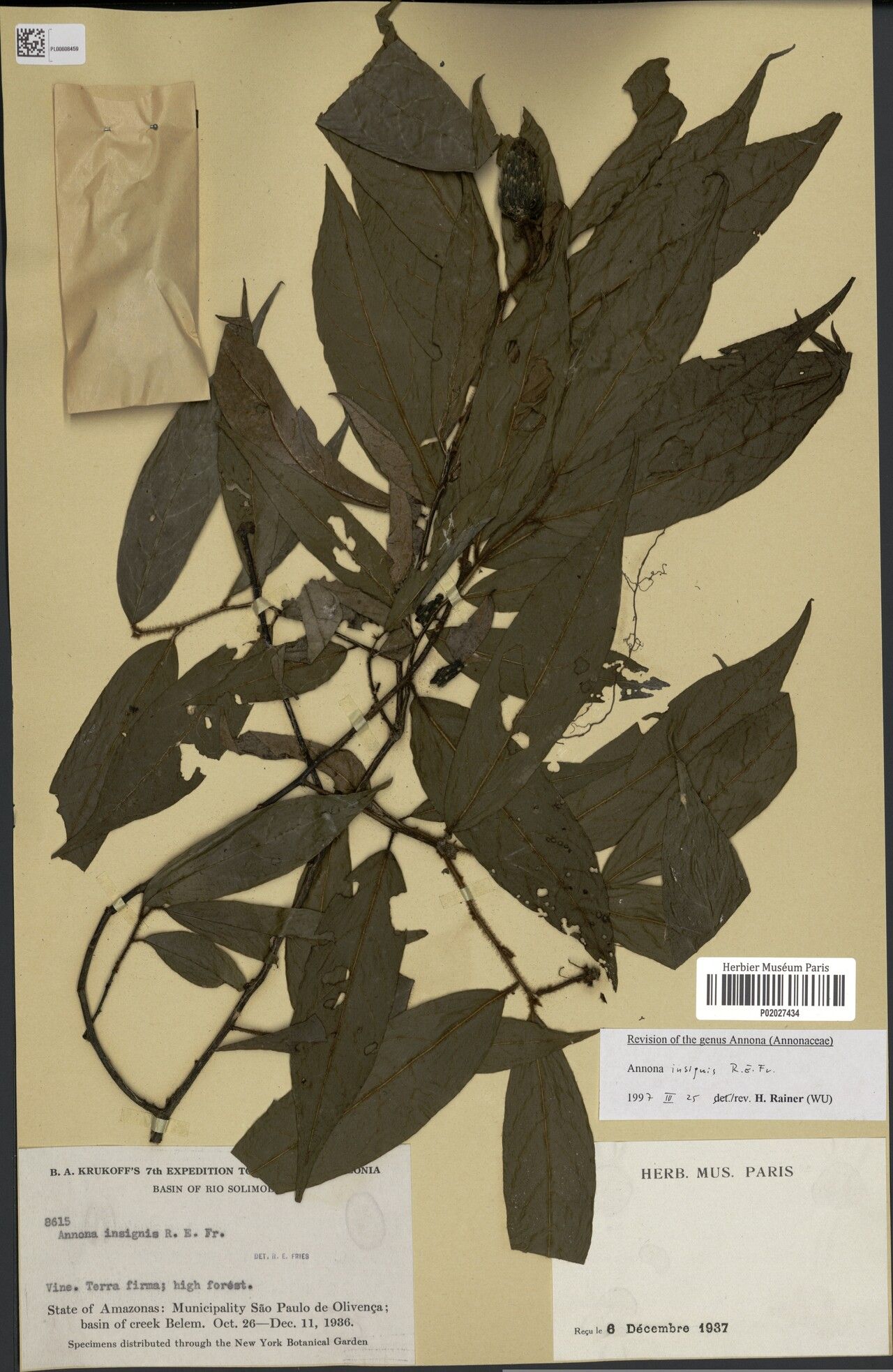
Oh, Annona insignis! What a beauty. Those lush, glossy leaves and the promise of those gorgeous, if sometimes shy, fruits – it’s enough to make any gardener’s heart flutter. If you’ve ever admired one, you know the urge to have one of your own, or maybe a few more! Propagating them is a wonderfully rewarding journey, and I’m so glad you’re thinking about it. Honestly, while not rock-solid easy for total newbies, Annona insignis can be very approachable with a little know-how. Let’s get your hands dirty!
The Best Time to Start
For best results, I always recommend propagating your Annona insignis during its active growing season. Think late spring into summer. This is when the plant has plenty of energy to put into developing new roots. You’ll want to use healthy, semi-hardwood cuttings – not the brand-new, floppy growth, but also not the old, woody stems.
Supplies You’ll Need
Here’s what I like to have on hand:
- Sharp pruning shears or a clean knife: Sterilize them with rubbing alcohol before you start!
- Propagation mix: I swear by a 50/50 blend of perlite and peat moss. It’s airy and drains beautifully. Some folks like to add a bit of coarse sand too.
- Rooting hormone: A powder or gel works wonderfully. It really gives those cuttings a boost.
- Small pots or propagation trays: Clean ones are a must.
- Plastic bags or a humidity dome: We need to keep things nice and moist.
- Watering can with a fine rose or spray bottle: For gentle watering.
- Optional: Heating mat: This can really speed things up, especially if your propagation area is a bit cool.
Propagation Methods
We’ll focus on stem cuttings, which is usually the most successful method for Annona insignis.
-
Taking Cuttings: Choose a healthy stem that’s about pencil-thick and has some leaves. Using your sterilized shears, make a clean cut just below a leaf node (where a leaf attaches to the stem). Aim for cuttings that are 4-6 inches long. Remove the lower leaves, leaving just a couple at the top. If you have very large leaves, you can even cut them in half horizontally to reduce water loss.
-
Dipping in Hormone: Dip the cut end of your cutting into your rooting hormone, tapping off any excess. Make sure the entire cut portion is covered.
-
Planting: Fill your small pots or trays with your propagation mix. Make a small hole with your finger or a pencil. Gently insert the dipped end of the cutting into the hole, and firm the mix around it. You want the node where you removed the leaves to be buried.
-
Creating Humidity: Water the potting mix gently so it’s evenly moist, but not soggy. Then, cover the pot with a clear plastic bag, securing it around the rim, or place it under a humidity dome. This creates a little greenhouse effect that keeps the cuttings’ leaves from drying out before they can grow roots.
-
Placement: Place your pots in a warm, bright location, but out of direct sunlight. Too much sun will scorch those tender leaves. If you have a heating mat, place the pots on top of it.
The “Secret Sauce” (Pro Tips)
- Don’t let the leaves touch the water: If you’re using a propagation tray where water might collect, make sure the leaves of your cuttings aren’t sitting in standing water. This is a surefire way to encourage rot.
- Bottom heat is your friend: I can’t stress this enough! Providing consistent warmth from below really helps those roots form much faster. It mimics the warmth of the soil in nature – a real game changer.
- Patience is key: Annona insignis can be a little slower to root than some other plants. Don’t despair if you don’t see action right away. Keep the conditions consistent and let them do their thing.
Aftercare & Troubleshooting
Once your cuttings have developed a good root system – you’ll know this when you see new leaf growth and perhaps feel some resistance when you gently tug on the cutting – it’s time to carefully transplant them.
Gently pot up your new plants into a slightly larger container with a good quality potting mix that drains well. Keep them in a protected spot, still out of harsh sun, for a week or two before gradually introducing them to more light. Water them consistently, allowing the soil to dry slightly between waterings.
The most common sign of trouble is rot. If your cuttings turn black and mushy, or the leaves start to wilt and turn yellow without new growth, it’s likely too much moisture or poor drainage. Unfortunately, if rot sets in, it’s hard to save that particular cutting and it’s often best to discard it and try again with fresh material.
A Encouraging Closing
So there you have it! Propagating Annona insignis is a journey of patience and a little bit of faith. Don’t be discouraged if your first attempts aren’t perfect. Every gardener has had their share of cuttings that didn’t make it. The most important thing is to get started, observe your plants, and enjoy the process of bringing new life into your garden. Happy propagating!
Resource:
https://identify.plantnet.org/k-world-flora/species/Annona%20insignis%20R.E.Fr./data