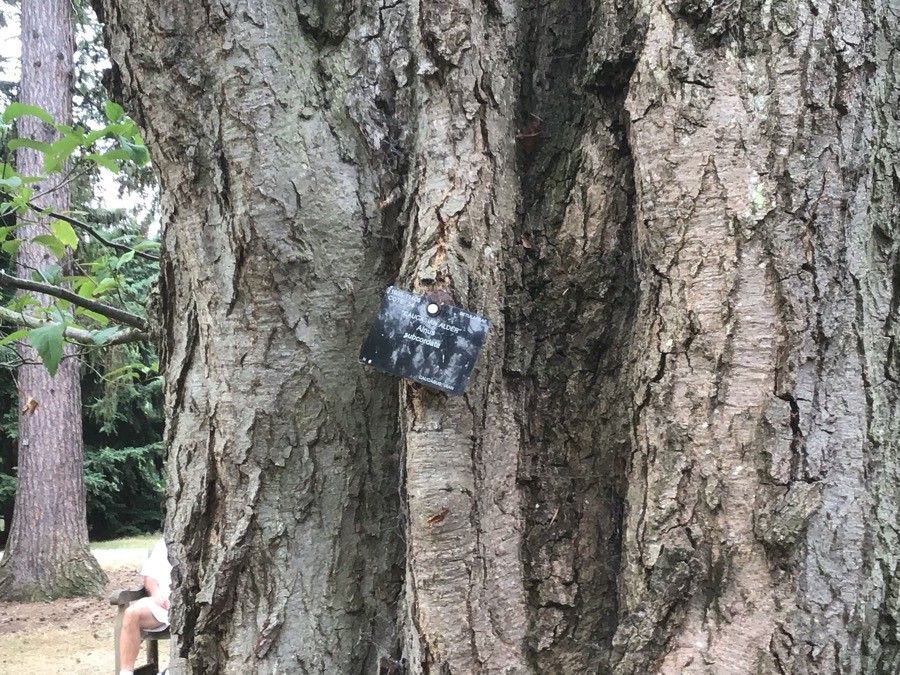
Hello there, fellow plant enthusiasts! Today, we’re diving into a truly special tree – Alnus subcordata, also known as the Alder. If you’ve ever admired its handsome foliage, its ability to thrive in damp spots, or the way it brings a bit of wild charm to your garden, you’re not alone. Propagating these beauties is incredibly rewarding, and while it might not be the absolute easiest plant for a complete beginner, with a little patience and the right approach, it’s definitely achievable. Think of it as a delightful challenge that yields a wonderful new life.
The Best Time to Start
For me, the sweet spot for propagating Alder is when the plant is actively growing but not stressed. I find that late spring to early summer, after the initial flush of new growth has matured a bit, really sets you up for success. You’re looking for stems that have started to firm up but are still somewhat flexible.
Supplies You’ll Need
Here’s what you’ll want to have on hand:
- Sharp Pruning Shears or a Clean Knife: For making precise cuts.
- Rooting Hormone: A powder or gel form works wonderfully.
- Potting Soil Mix: A good blend of peat moss, perlite, and a bit of coarse sand is ideal. You want something that drains well but retains some moisture.
- Small Pots or Trays: With drainage holes, of course!
- Plastic Bags or a propagator lid: To create a humid environment.
- Watering Can or Mister: For gentle watering.
- Labels: So you don’t forget what you planted where!
Propagation Methods
Let’s get our hands dirty! The most reliable method for Alder, in my experience, is through stem cuttings.
- Taking the Cuttings: Select a healthy branch from your mother plant. Using your sharp shears, cut a piece that’s about 6 to 8 inches long. Look for wood that’s about pencil thickness. Make a clean cut just below a leaf node (where a leaf attaches to the stem).
- Preparing the Cuttings: Gently remove the lower leaves from your cutting, leaving only the top few leaves intact. If the remaining leaves are quite large, I like to cut them in half horizontally. This reduces water loss while still allowing for photosynthesis.
- Applying Rooting Hormone: Dip the cut end of the stem into your rooting hormone, making sure to coat about an inch or two. Tap off any excess.
- Planting the Cuttings: Fill your pots with your well-draining potting mix. Make a small hole in the center of the soil. Insert the treated end of your cutting into the hole, pushing it down about 2 inches. Gently firm the soil around the base of the cutting.
- Creating Humidity: Water the soil gently. Then, cover the pot loosely with a plastic bag or place it inside a propagator with a lid. This creates a mini-greenhouse effect, keeping the humidity high, which is crucial for cuttings to root.
The “Secret Sauce” (Pro Tips)
Here are a couple of my tried-and-true tricks that make a difference:
- Bottom Heat is Your Friend: While not strictly essential for every plant, popping your propagation tray or pots onto a heating mat can significantly speed up the rooting process for Alder. It mimics the warmth of spring soil and really encourages those roots to form.
- Don’t Drench, Mist! When watering your cuttings, resist the urge to flood the pot. A gentle misting or watering from the bottom (by placing the pots in a tray of water for a short while) is much better. You want the soil to be consistently moist, but not waterlogged. Soggy conditions are a fast track to rot.
Aftercare & Troubleshooting
Once your cuttings are planted, keep them in a bright spot with indirect light. Avoid direct sun, which can scorch those delicate new leaves. Keep the humidity up by misting regularly. Be patient! It can take several weeks, sometimes even a couple of months, for roots to develop.
You’ll know they’re taking hold when you see new leaf growth. You can also gently tug on a cutting; if there’s resistance, it means roots are forming.
The most common issue you’ll encounter is rot. If your cuttings start to look black, mushy, or fall over suddenly, it’s a sign of too much moisture and not enough air circulation. If you catch it early, you might be able to salvage a cutting by trimming away the rotted parts and repotting in fresh, slightly drier mix. Ensuring good drainage and not overwatering are your best defenses against this.
A Encouraging Closing
Propagating plants is a journey of discovery, and sometimes, things don’t work out the first time. That’s all part of the fun! Keep observing your plants, learn from each attempt, and most importantly, enjoy the process of bringing new life into your garden. Happy propagating!
Resource:
https://identify.plantnet.org/k-world-flora/species/Alnus%20subcordata%20C.A.Mey./data