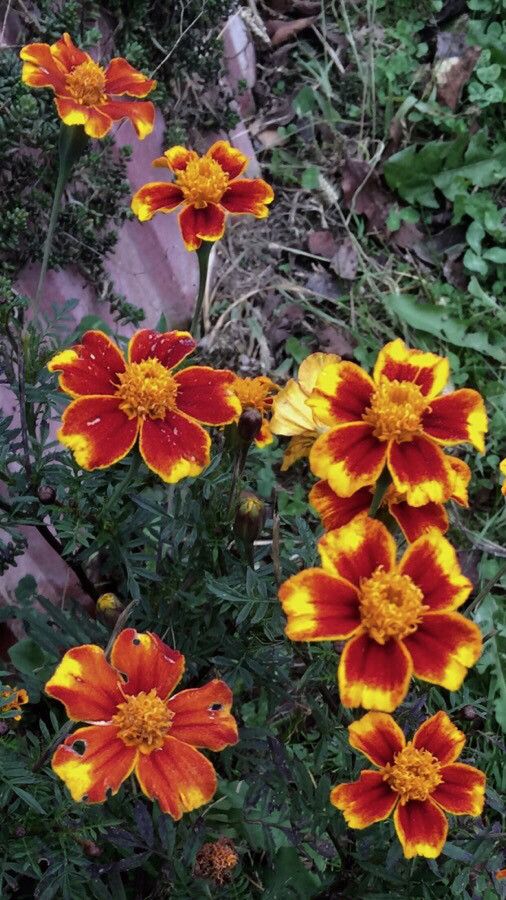
Oh, hello there! Grab a mug, let’s chat plants. Today, we’re diving into the wonderful world of propagating Tagetes erecta, or as many of us affectionately call them, African Marigolds. If you’ve ever admired those big, bountiful blooms gracing gardens with their sunny disposition and vibrant colors, you’re in for a treat. The best part? These beauties are surprisingly easy to multiply, making them a fantastic project for even the newest of green thumbs. Growing your own from cuttings is incredibly rewarding, and you get to fill your garden (or a friend’s!) with even more of that cheerful, marigold goodness.
The Best Time to Start
When you’re thinking about getting new marigold babies going, timing is everything. The ideal window is late spring to early summer. This is when the parent plants are actively growing and have plenty of energy to spare for producing new roots. You’re looking for healthy, non-flowering stems. If you wait until a stem has produced a flower bud, it’s already diverting its energy, and you’ll have a tougher time getting it to root. Aim for those vigorous, leafy shoots.
Supplies You’ll Need
Gathering your tools before you start makes the whole process smoother. Here’s a quick rundown of what you’ll want on hand:
- Sharp Pruning Shears or a Clean Knife: For making clean cuts.
- Potting Mix: A well-draining mix is crucial. I often use a blend of seedling starter mix and perlite – about a 2:1 ratio. You can also find specific propagation mixes.
- Small Pots or Seedling Trays: Clean ones are a must!
- Rooting Hormone (Optional, but recommended): This can give your cuttings a real boost. Look for one containing indole-3-butyric acid (IBA).
- Watering Can with a Gentle Rose: To avoid disturbing your new cuttings.
- Plastic Bags or a Clear Dome Lid: To create a humid environment.
- Spray Bottle: For light misting.
Propagation Methods
African Marigolds are most commonly and successfully propagated by stem cuttings. It’s my go-to method, and I think you’ll find it quite straightforward.
Stem Cuttings
- Select Your Parent Plant: Find a healthy, vigorous African Marigold. Look for a stem that’s actively growing but not flowering.
- Take the Cutting: Using your clean shears or knife, make a cut just below a leaf node. You want cuttings that are about 4-6 inches long. Remove any flowers or flower buds right away.
- Prepare the Cutting: Gently strip off the lower leaves. You want to expose at least two or three leaf nodes along the stem. This is where the roots will form.
- Dip in Rooting Hormone (Optional): If you’re using rooting hormone, lightly dip the cut end into the powder. Tap off any excess.
- Plant the Cutting: Fill your small pots or trays with your prepared potting mix. Use a pencil or your finger to poke a hole in the center, deep enough to bury the leaf nodes you’ve stripped. Insert the cutting into the hole and gently firm the soil around it.
- Water Gently: Water thoroughly but gently. The goal is to moisten the soil without washing away the cutting.
- Create Humidity: This is key! Cover the pots with a clear plastic bag (making sure the leaves don’t touch the plastic if possible) or use a propagator with a lid. This traps moisture and creates a mini-greenhouse effect.
- Provide Light and Warmth: Place your cuttings in a bright spot that gets indirect sunlight. They don’t need intense sun, and too much can scorch them. Keep them in a warm location.
The “Secret Sauce” (Pro Tips)
Alright, let’s get into a few little tricks I’ve picked up over the years that can really make a difference.
First, don’t let those lower leaves touch the soil. They’ll just rot and can take your cutting down with them. Make sure you’ve stripped them off effectively. Second, and this is a big one: bottom heat is your friend! If you have a heat mat designed for seedlings, place your pots on it. This gentle warmth encourages root development much faster than just ambient room temperature. It really speeds things up! Lastly, if you’re not using a plastic bag, mist your cuttings lightly every day or two to keep humidity levels up.
Aftercare & Troubleshooting
Once your cuttings have been in their humid little homes for a couple of weeks, you’ll want to start checking for roots. You can give them a gentle tug – if you feel resistance, you’ve got roots!
When you see signs of new leaf growth, that’s another good indicator that roots have formed. At this point, you can gradually acclimate them to lower humidity by opening the plastic bags a little bit each day. Once they’re robustly growing new leaves, you can remove the covers entirely. Water them as you would any established marigold plant, allowing the soil to dry out slightly between waterings.
The most common problem you’ll encounter is rot. If you see stems turning mushy and black, it’s usually a sign of too much moisture and not enough air circulation. If caught early, you might be able to salvage part of the cutting by trimming away the rotted bit and replanting it in drier soil. Ensure your mix drains well and you’re not overwatering.
A Encouraging Closing
And there you have it! Propagating African Marigolds is a really satisfying way to expand your garden. Don’t get discouraged if a cutting doesn’t make it – just try again! Gardening is all about learning and experimenting. Be patient, enjoy the process of nurturing these new plants, and soon you’ll have a whole garden bursting with those gorgeous, sunny blooms. Happy propagating!
Resource:
https://identify.plantnet.org/k-world-flora/species/Tagetes%20erecta%20L./data