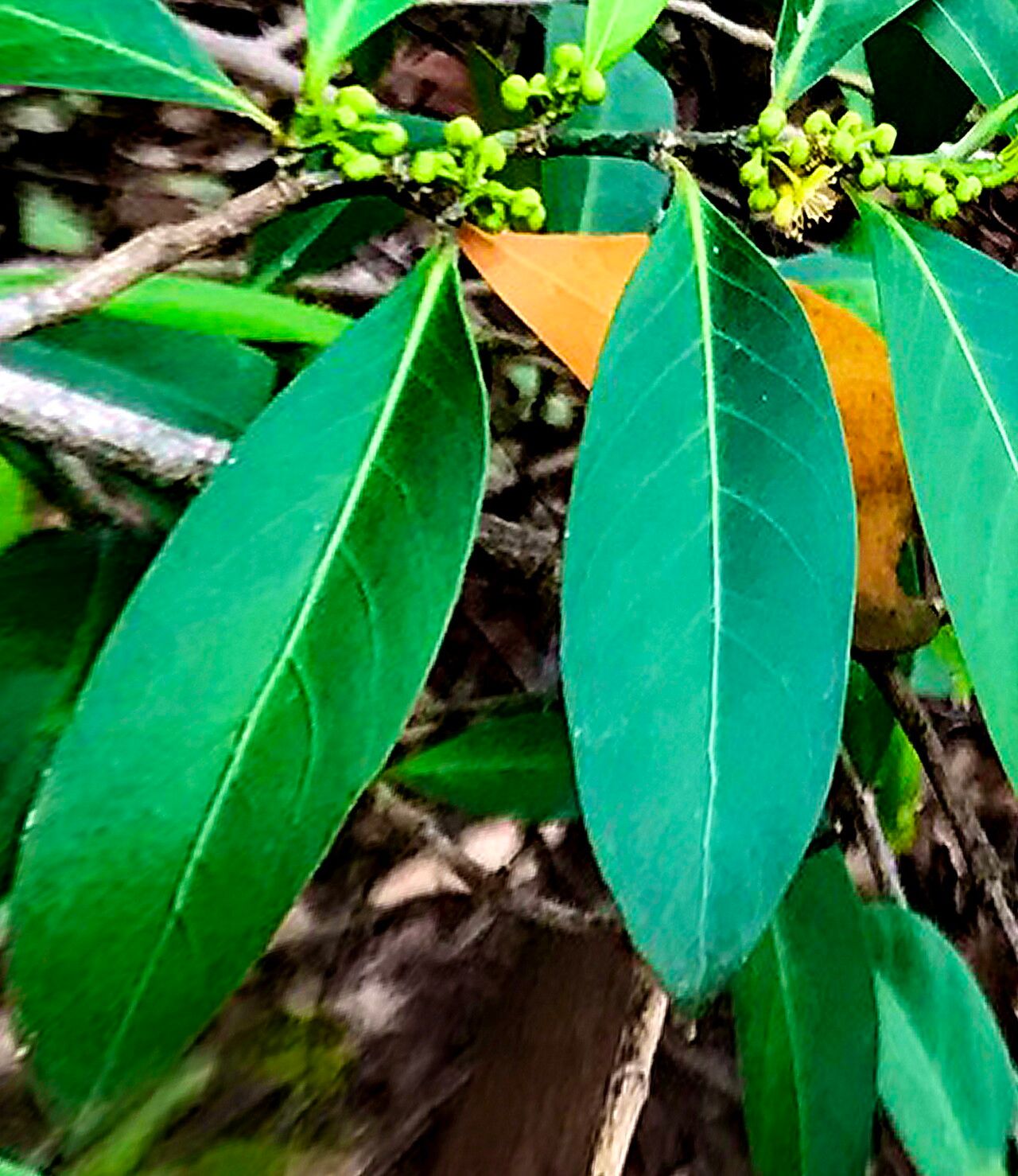
Oh, hello there! Grab a cup of your favorite brew, and let’s chat about Suregada multiflora. You know, those lovely plants with their lush foliage and satisfying growth? I’ve been growing them for years, and honestly, watching a new plant unfurl from a tiny cutting is one of those simple joys that never gets old. If you’ve admired them and wondered if you could multiply them yourself, you’re in the right place! Good news: propagating Suregada multiflora is generally quite doable. While it’s not quite stick-it-in-the-ground-and-forget-it easy, it’s a wonderful project for anyone with a bit of patience and a willingness to learn.
The Best Time to Start
When it comes to Suregada multiflora, the sweet spot for propagation is usually during the active growing season. Think late spring through summer. This is when the plant has plenty of energy to put into developing new roots. Waiting until the plant is actively producing new shoots is ideal. Trying to propagate in the cooler, dormant months can be much trickier, as the plant simply isn’t geared up for new growth then.
Supplies You’ll Need
Before we dive into the how-to, let’s make sure you have everything on hand. It makes the whole process so much smoother!
- Sharp Pruning Shears or a Clean Knife: For taking clean, precise cuttings.
- Rooting Hormone (Optional but Recommended): Especially for stem cuttings, this helps encourage root development.
- A Well-Draining Potting Mix: A blend of perlite, peat moss, and a bit of regular potting soil works beautifully. You want something that won’t hold too much water.
- Small Pots or Seed Trays: For your new propagations.
- Plastic Bags or a Propagation Dome: To create a humid microclimate.
- Watering Can with a Fine Rose or Spray Bottle: For gentle watering.
- Labels: Don’t forget to label what you’ve planted!
Propagation Methods
Suregada multiflora can be quite generous, and there are a couple of reliable ways to get new plants going.
Stem Cuttings
This is likely your go-to method for Suregada multiflora.
- Take Your Cuttings: With your clean shears, choose a healthy, non-flowering stem that’s about 4-6 inches long. Look for stems that have some new growth but aren’t too soft and floppy. Make a clean cut just below a leaf node. A leaf node is that little bump on the stem where a leaf grows.
- Prepare the Cuttings: Gently remove the lower leaves from the cutting, leaving just two or three at the very top. This prevents them from rotting once planted.
- Dip in Rooting Hormone (Optional): If you’re using rooting hormone, dip the cut end of the stem into the powder or gel, tapping off any excess.
- Plant Your Cuttings: Fill your small pots or trays with your well-draining potting mix. Make a hole in the center with your finger or a pencil and insert the cutting, ensuring the leaf nodes you removed are below the soil line. Gently firm the soil around the stem.
- Create Humidity: Water the soil lightly. Then, cover the pot with a clear plastic bag (supported by stakes if needed so it doesn’t touch the leaves) or place it inside a propagation dome. This humidity is crucial!
Water Propagation (with a Caveat!)
I’ve had some success with water propagation for Suregada multiflora, but it’s important to be vigilant.
- Prepare the Cuttings: Follow steps 1 and 2 above for taking and preparing your cuttings.
- Place in Water: Fill a small jar or glass with clean water. Crucially, make sure none of the leaves are submerged. Only the stem should be in the water.
- Change the Water Regularly: This is where vigilance comes in. Change the water every 2-3 days to keep it fresh and prevent bacterial growth.
- Watch for Roots: You should start to see tiny white roots emerge from the leaf nodes within a few weeks. Once they’re about an inch long, it’s time to pot them up into soil.
The “Secret Sauce” (Pro Tips)
Here are a few little tricks I’ve picked up over the years that can really make a difference for your Suregada cuttings:
- Bottom Heat is Your Friend: If you’re struggling with cuttings taking their sweet time, a gentle bit of bottom heat can work wonders. A heat mat designed for seedlings provides warmth that encourages root development from below. Just make sure it’s not too hot – think lukewarm bathwater, not a sauna!
- The Air Circulation Trick: While humidity is key, stale, stagnant air can invite fungal issues. If you’re using a plastic bag, open it up for a few minutes every day to let in some fresh air. This is especially important after you’ve watered.
- Don’t Rush to Plant: When propagating in water, it can be tempting to pot up those baby roots as soon as you see them. Resist the urge! Let the roots get a good inch or so long. This gives them a much better start when they transition to soil.
Aftercare & Troubleshooting
Once you see those beautiful little roots peeking out from the drainage holes or reaching for the sky on your water propagations, congratulations! It’s time for a gentle transition.
- Acclimating: If you used a plastic bag, gradually let more air into the environment over a few days before removing the bag entirely. This helps the new plant adjust to normal humidity levels.
- Watering: Water your newly potted cuttings gently. Allow the top inch of soil to dry out before watering again. Avoid overwatering; this is the quickest way to invite root rot, which is often signaled by yellowing leaves and a mushy stem base.
- Light: Place your new propagations in bright, indirect light. Avoid direct sunlight, which can scorch delicate young leaves.
- Signs of Trouble: If your cuttings wilt dramatically and don’t perk up after watering, or if the stems turn black and mushy, it’s usually a sign of rot. Unfortunately, sometimes propagation doesn’t work out. Don’t be discouraged! Just clean your tools and try again.
A Encouraging Closing
Remember, gardening is a journey, and propagation is a lovely part of that. Be patient with your Suregada multiflora cuttings. Some will take off like rockets, while others might be a bit slower to show you what they’ve got. The most important thing is to enjoy the process, learn from each attempt, and celebrate those little victories (like that first new leaf!). Happy propagating!
Resource:
https://identify.plantnet.org/k-world-flora/species/Suregada%20multiflora%20(A.Juss.)%20Baill./data