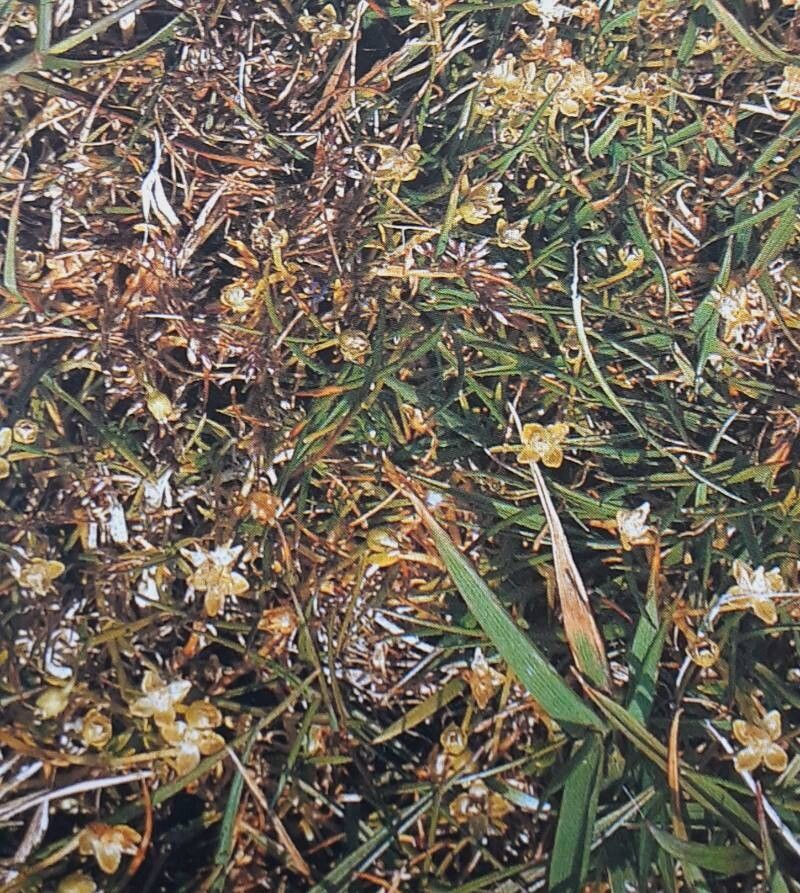
Hey there, fellow plant lovers! I’m so excited to chat with you today about a little gem that brings a touch of lush, mossy charm to any garden: Sagina apetala. You might know it better by its common name, Irish Moss, though it’s not actually from Ireland, and it’s certainly not a true moss! Its tiny, bright green leaves form dense, carpet-like mounds that are just irresistible. Planting them feels like bringing a bit of enchanted forest floor right into your own space.
Now, if you’ve admired this beauty and thought about creating more of it, you’re in for a treat. Propagating Sagina apetala is quite rewarding, and I’m happy to say that it’s generally a very beginner-friendly plant to work with. You’ll be surprised at how easily you can multiply its charm!
The Best Time to Start
For the highest success rate, spring is absolutely your best friend. When the weather starts to warm up and your plants are actively growing, they have all the energy they need to put into developing new roots. Aim for late spring or early summer, after the last frost has passed and before the intense heat of midsummer sets in. This gives your new cuttings or divisions plenty of time to establish themselves before challenging conditions arise.
Supplies You’ll Need
Ready to get your hands dirty? Here’s what you’ll want to have on hand:
- Sharp Pruning Shears or a Craft Knife: For clean cuts and minimal damage.
- Well-Draining Potting Mix: A mix formulated for succulents or cacti works wonderfully, or you can create your own with peat, perlite, and sand.
- Small Pots or Trays: Clean containers are key to preventing disease.
- Rooting Hormone (Optional but Recommended): A powder or gel can give your cuttings a nice boost.
- Watering Can with a Fine Rose: To water gently without disturbing fragile seedlings.
- Labels: To keep track of what you’ve planted and when!
Propagation Methods
There are a couple of tried-and-true ways to multiply your Sagina apetala. My favorite is division, but letting a few plants go to seed or taking cuttings also works beautifully.
Division: My Go-To Method
This is probably the easiest and most successful way to propagate Sagina.
- Gently dig up your Sagina apetala plant from its pot or garden bed.
- Clean off excess soil from the root ball. You can do this by gently shaking or rinsing with water.
- Observe the plant. You’ll see it grows in clumps. Carefully pull apart these clumps with your hands. If it’s a bit stubborn, a clean trowel or your knife can help separate them. Make sure each section has a good amount of roots and some leafy growth.
- Immediately replant these divisions into new pots filled with your well-draining potting mix. Water them in well.
Stem Cuttings: For the Patient Gardener
This method takes a little more time, but it’s fascinating to watch!
- Using your sharp shears or knife, take healthy stem cuttings that are about 2-3 inches long. Make your cut just below a leaf node (where a leaf emerges from the stem).
- Remove the lower leaves from the cutting, leaving only 1-2 leaves at the tip.
- Dip the cut end into rooting hormone (if you’re using it).
- Insert the cuttings into small pots filled with your potting mix. You can group a few cuttings in each pot.
- Water gently and place the pots in a bright spot with indirect light.
The “Secret Sauce” (Pro Tips)
Here are a few tricks I’ve learned over the years that can really help your propagation efforts:
- Don’t Overcrowd Your Pots: Whether you’re dividing or taking cuttings, give each new division or cutting enough space. Too much crowding can lead to competition for resources and increase the risk of fungal issues. I usually ensure there’s at least an inch or two between sections.
- Bottom Heat is Your Friend: For stem cuttings, especially, providing a bit of gentle warmth from below can significantly speed up root development. A heat mat designed for seedlings is perfect for this. It mimics the conditions that encourage roots to form.
- Mist, Don’t Drench: Especially for cuttings, humidity is important, but soggy soil is the enemy. I like to give my cuttings a light mist using a spray bottle a couple of times a day. This keeps the leaves hydrated without waterlogging the roots.
Aftercare & Troubleshooting
Once your Sagina divisions or cuttings show signs of new growth (which is usually a good indication that roots are forming!), you’ll want to transition them to slightly more direct light but still avoid intense, scorching sun. Continue to water them regularly, allowing the top layer of soil to dry out slightly between waterings.
The most common issue you might encounter is rot. This is usually a sign of overwatering or poor drainage. If you see mushy, brown stems or leaves, trim away the affected parts immediately and let the soil dry out more thoroughly. Make sure your pot has drainage holes! Sometimes, if a cutting just isn’t taking, it’s okay – not every attempt is successful, and that’s just part of gardening.
A Encouraging Closing
Propagating Sagina apetala is a fantastic way to expand your collection and share the joy of this lovely plant. Be patient, observant, and don’t be afraid to experiment a little. Each new plant you grow is a little victory, a testament to your careful hand and green thumb. Happy propagating!
Resource:
https://identify.plantnet.org/k-world-flora/species/Sagina%20apetala%20Ard./data