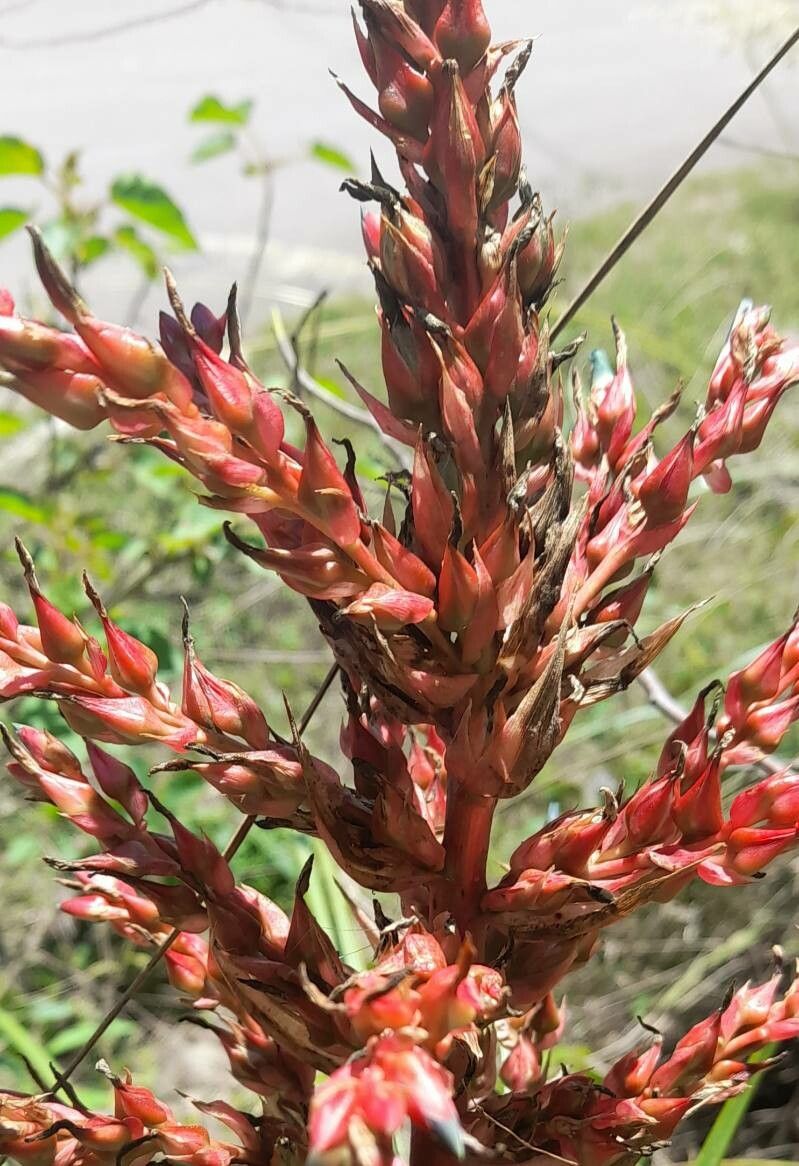
Oh, Puya lilloi! If you’ve ever seen one of these beauties, you know exactly why I’m so excited to talk about them today. Their spiky, architectural form and the promise of those incredible, sky-blue flowers – it’s truly something special. And the best part? You can bring that magic into your own garden, or even share it with friends, by propagating them yourself.
Now, I’m going to be honest: Puya lilloi aren’t exactly beginner-friendly in the same way a pothos might be. They’re succulents, and like many bromeliads, they have their own unique way of doing things. But don’t let that deter you! With a little patience and the right approach, you absolutely can succeed. It’s a journey that’s incredibly rewarding, watching a tiny piece of your favorite plant grow into something magnificent.
The Best Time to Start
For Puya lilloi, the sweet spot for propagation is typically late spring to early summer. This is when the plant is actively growing and has the most energy to put into developing new roots. You’ll want to propagate from a mature, healthy parent plant. Look for pups (those little baby plants that form at the base) or consider taking sections from a well-established stem.
Supplies You’ll Need
Before we dive in, let’s gather our tools. Having everything ready makes the process so much smoother:
- Sharp, sterile pruning shears or a clean knife: For making clean cuts.
- Rooting hormone (optional but recommended): Helps encourage root development.
- A well-draining potting mix: I swear by a custom blend of coarse sand, perlite, and a small amount of coco coir or peat moss. You want it to dry out quickly.
- Small pots or propagation trays: Terracotta pots are great because they breathe.
- Gravel or small stones: For the bottom of pots to improve drainage.
- Spray bottle: For gently misting.
- Labels and a pen: To keep track of your efforts!
Propagation Methods
Puya lilloi can be propagated in a couple of main ways. Let’s walk through them:
1. Offsets (Pups)
This is generally the easiest and most successful method for Puya lilloi. You’ll often find small offsets forming around the base of the mother plant.
- Gently unearth: Carefully remove the parent plant from its pot or dig around the base to expose the offset.
- Identify the connection: Look for where the pup is attached to the mother plant.
- Make a clean cut: Using your sterile shears or knife, make a clean cut where the pup joins the parent. Try to get a small piece of the base with it.
- Let it callous: This is crucial! Place the offset in a dry, shaded spot for a few days to a week. You want the cut end to dry out and form a callus. This prevents rot.
- Plant it up: Fill a small pot with your well-draining mix. Make a small hole and insert the calloused end of the offset.
- Water sparingly: Water very lightly, just enough to settle the mix around the roots. Don’t drench it.
2. Stem Cuttings (for multi-stemmed varieties)
If your Puya has grown into a more shrub-like form, you might be able to take cuttings from stems.
- Select a healthy stem: Choose a stem that looks vigorous and has a few leaves.
- Make the cut: With your sterile shears, cut a section of the stem about 4-6 inches long. Try to include at least one leaf node.
- Remove lower leaves: Gently pull off any leaves that would be below the soil line when planted.
- Apply rooting hormone (optional): Dip the cut end into rooting hormone, tapping off any excess.
- Let it callous: Just like with the pups, allow the cut end to dry and form a callus for a few days.
- Plant the cutting: Insert the calloused end into your prepared potting mix.
- Water lightly: Water very sparingly.
The “Secret Sauce” (Pro Tips)
Here are a few little tricks I’ve learned over the years that can really make a difference:
- Don’t overwater, ever! This is probably the most important rule for succulents. Puya lilloi are designed to store water. Soggy soil is their enemy and will lead to rot faster than anything else. It’s better to underwater a bit than to overdo it.
- Provide a little warmth from below. If you have a propagation mat or can place your pots on top of a warm appliance (like a router, but be mindful of heat!), that gentle bottom heat can really encourage root development. It mimics the warmth of the soil in their native habitat.
- Think clean! I can’t stress this enough. Always use sterilized tools and clean pots. This dramatically reduces the risk of introducing diseases or fungi that can kill your precious cuttings.
Aftercare & Troubleshooting
Once you’ve planted your pup or cutting, patience is key.
- Light: Place your new propagations in a bright spot with indirect light. Direct sun can be too harsh.
- Watering: Water very sparingly, only when the top inch or two of the soil feels dry. A light misting with your spray bottle can be helpful for cuttings in the initial stages, but avoid letting water sit in the crown.
- Roots: It can take anywhere from a few weeks to a few months for roots to develop. You can gently tug on the cutting – if there’s resistance, it’s likely rooting. You might also start to see tiny new leaves emerging.
The most common problem you’ll encounter is rot. If you notice the cutting becoming mushy, discolored (brown or black), or smelling funky, it’s likely rotting. This is usually a sign of too much moisture. Unfortunately, if rot sets in, it’s often hard to save. This is why preventing it with good drainage and cautious watering is so vital. If you catch it early enough, you might be able to cut away the rotted part and let the remaining healthy section callous and try again.
A Encouraging Closing
Propagating Puya lilloi is a journey into the heart of this fascinating plant. It requires a bit of finesse and a lot of patience, but witnessing those brand-new roots emerge is a triumph like no other. Don’t get discouraged if your first attempt isn’t perfect – every gardener has their learning curve! Just keep at it, enjoy the process, and soon you’ll have more of these striking beauties to admire. Happy gardening!
Resource:
https://identify.plantnet.org/k-world-flora/species/Puya%20lilloi%20A.Cast./data