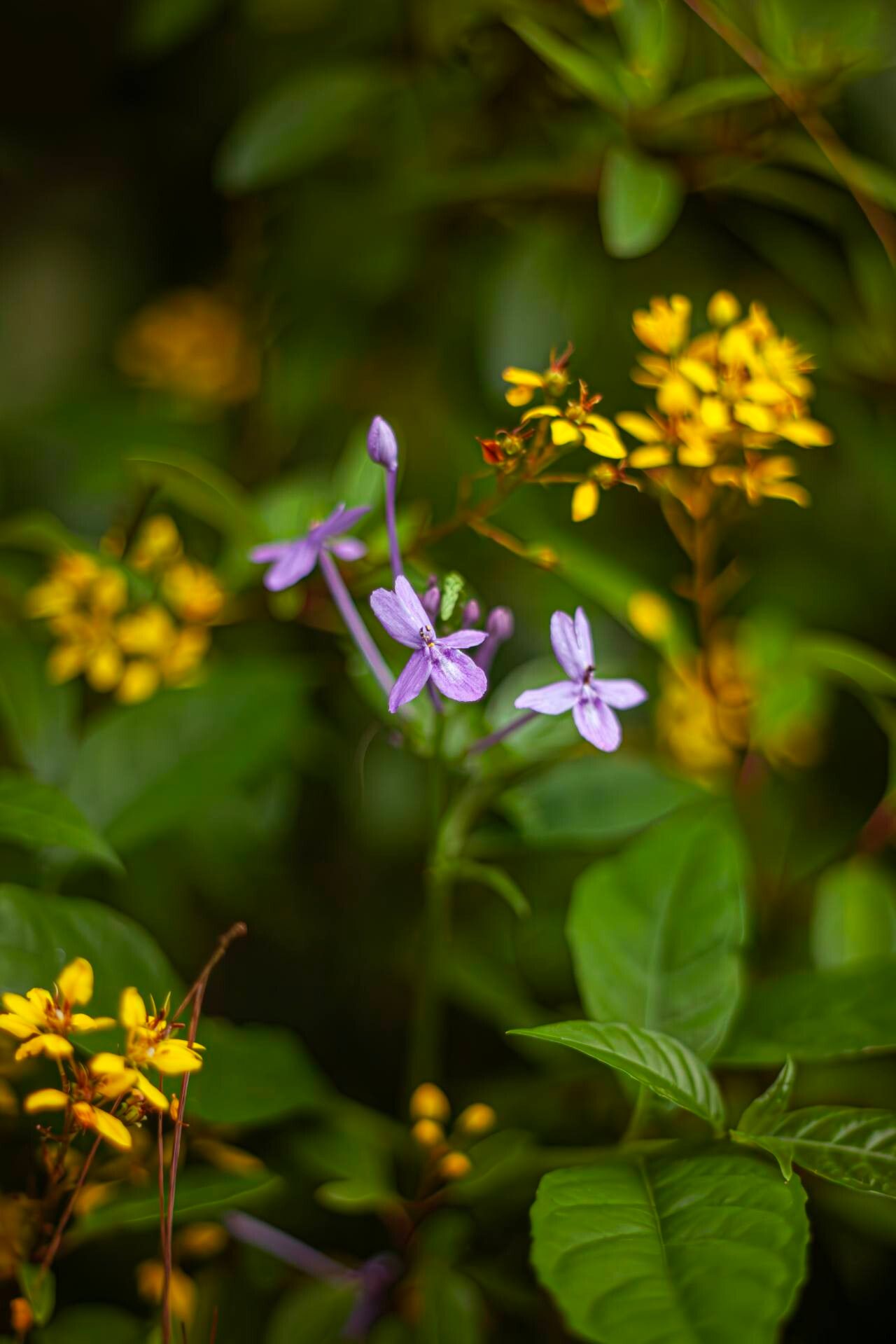
Hello, fellow garden enthusiasts! Today, we’re diving into something truly special: Pseuderanthemum grandiflorum, often called the ‘Australian Wild Water Lily’ or ‘Native Jasmine’. I’ve spent years admiring these beauties in my own garden and those of friends. Their lovely, often fragrant, trumpet-shaped flowers are a delight, and the lush foliage provides year-round interest.
What I particularly love about propagating Pseuderanthemum grandiflorum is the sheer satisfaction of seeing a tiny cutting transform into a thriving plant. It’s like magic, but it’s just good old-fashioned gardening! And the best part? If you’re just starting out with propagation, this plant is wonderfully forgiving. You’ll find success with it quite easily!
The Best Time to Start
For the highest success rate with Pseuderanthemum grandiflorum, I’ve found that late spring through to mid-summer is your golden window. This is when the plant is actively growing, full of energy, and just bursting to send out new shoots. You want to take cuttings from healthy, vigorous stems that aren’t in flower. Think of it as taking a cutting from a branch that’s just about to produce a lovely new spray of leaves.
Supplies You’ll Need
Gathering your tools beforehand will make the entire process smoother. You won’t need much, which is another reason this is such a rewarding plant to propagate!
- Sharp pruning shears or a clean knife: For making clean cuts.
- A good quality potting mix: I prefer a blend of peat moss, perlite, and a little compost – something that drains well but still holds some moisture. A seed-starting mix also works beautifully.
- Small pots or trays: Clean pots are a must to prevent disease.
- Rooting hormone (optional but recommended): A powder or gel will give your cuttings a real boost.
- Clear plastic bags or a propagator: To create a humid environment for your cuttings.
- Watering can with a fine rose: For gentle watering.
Propagation Methods
My two favorite ways to get more Pseuderanthemum grandiflorum plants are through stem cuttings and, if you have a mature plant, division.
Stem Cuttings
This is my go-to method and incredibly effective.
- First, select a healthy stem from your established plant. Look for a stem that’s not too woody but also not too soft and new. About halfway between these two extremes is perfect.
- Using your sharp shears, take a cutting about 10-15 cm long. Make a clean cut just below a leaf node (where a leaf attaches to the stem).
- Remove the lower leaves, leaving just the top two or three. This prevents them from rotting in the soil.
- If you’re using rooting hormone, dip the cut end into the powder or gel. Tap off any excess.
- Fill your small pots with your prepared potting mix.
- Make a hole in the soil with a pencil or your finger, then insert the cutting. Gently firm the soil around it.
- Water thoroughly until the soil is moist but not waterlogged.
- Now, create a humid environment. You can slip the pot into a clear plastic bag, sealing it loosely, or place it in a propagator. Aim for bright, indirect light – no direct sun, as this can scorch the delicate cuttings.
Division
If your Pseuderanthemum grandiflorum has become a bit of a specimen, division is a quick way to get new plants and give your parent plant a bit of a refresh.
- Gently excavate the entire plant from its pot or garden bed.
- Carefully tease apart the root ball. You’re looking for sections that have their own roots and shoots.
- If the roots are tangled, you might need to use your clean knife to gently divide the root ball.
- Pot up each division in its own container with fresh, well-draining potting mix.
- Water well and place them in a similar spot to your cuttings – bright, indirect light.
The “Secret Sauce” (Pro Tips)
Here are a couple of things I’ve learned over the years that can make a big difference:
- Don’t be afraid to be a little ruthless with foliage on cuttings. If a cutting has large leaves, I often snip them in half horizontally. This reduces water loss through transpiration, giving the cutting more energy to focus on root development.
- Mimic nature by providing gentle bottom heat. If you’re propagating in cooler months or have a slightly chilly spot, placing your pots on a heat mat designed for seedlings can work wonders. It encourages strong root growth from below, just like the warm earth in summer.
Aftercare & Troubleshooting
Once your cuttings start to show signs of life – usually new leaf growth at the tip – you know they’re on their way!
- Gradually acclimatize them to slightly less humid conditions by opening the plastic bag a little more each day.
- Keep the soil consistently moist but not soggy. This is crucial.
- Move them to a slightly brighter spot as they get established, but still avoid direct, harsh sunlight.
- If you see any signs of rot (mushy stems, dark discoloration), it’s usually a sign of overwatering or poor drainage. Remove the affected cutting and check your watering habits. Sometimes, if caught early, you can salvage a cutting by trimming away the rot and repotting it in fresh, drier soil.
A Little Patience Goes a Long Way
Propagating plants is a journey, and each cutting teaches you something new. Don’t get disheartened if not every single one takes. Be patient, enjoy the process of nurturing these tiny new lives, and soon you’ll have an abundance of beautiful Pseuderanthemum grandiflorum to share or enjoy yourself! Happy gardening!
Resource: