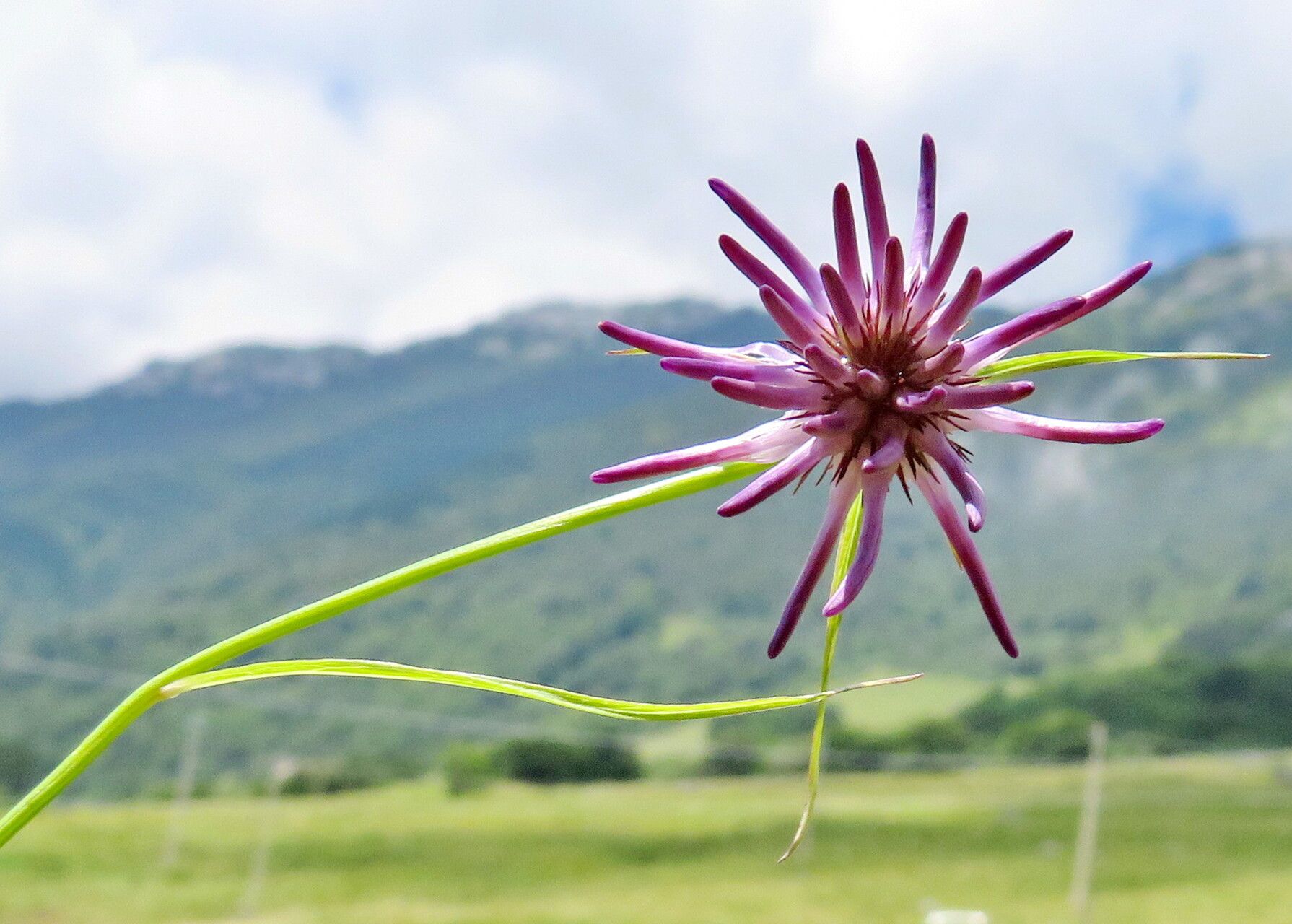
Hello fellow garden lovers! I’m so excited to chat with you today about a truly enchanting plant: Phyteuma scheuchzeri, often known as the Rampion Bellflower. If you’re drawn to delicate, beautiful blooms that add a touch of alpine charm to your garden, this little beauty is for you. Its charming, starry, sky-blue flowers are a delight, and propagating them yourself? Well, that’s a whole other level of gardening joy. Now, I won’t lie, Phyteuma scheuchzeri can be a wee bit finicky, so it might not be the absolute first plant I’d hand to a brand-new gardener. But with a little patience and the right approach, you’ll be rewarded with plenty of new plants to share!
The Best Time to Start
For the highest chance of success, spring is your best bet. I like to get started just as the plant is waking up from its winter slumber, usually late March or early April here in my garden. You’ll be looking for healthy, new growth that hasn’t yet flowered. This active growth phase is crucial for successful propagation.
Supplies You’ll Need
Before we dive in, let’s make sure you have everything ready. This will make the whole process smoother:
- Sharp, clean pruning shears or a sharp knife: You want a clean cut to prevent disease.
- Small pots or trays: Seedling pots, cell trays, or even small yogurt containers with drainage holes will work.
- Well-draining potting mix: I mix my own with equal parts seedling compost, perlite, and sharp sand. If you buy a mix, look for one formulated for succulents or cacti.
- Rooting hormone (optional, but recommended): A powder or gel can give your cuttings a helpful boost.
- Watering can with a fine rose or a spray bottle: Gentle watering is key.
- Labels and a pen: Don’t forget to label your precious cuttings!
- Plastic bag or propagator lid: This helps maintain humidity.
Propagation Methods
Now, let’s get our hands dirty! For Phyteuma scheuchzeri, division is usually the most successful and straightforward method.
Division
This is how I primarily increase my stock of these lovely plants. It’s best done in early spring, as I mentioned.
- Gently excavate the parent plant. Carefully dig around the base of your established Phyteuma scheuchzeri with a trowel or fork, trying to disturb the roots as little as possible. Lift the entire plant out of the soil.
- Locate the divisions. You’ll see that the plant often grows in clumps. Look for natural breaks in the root system where you can separate sections. You want each division to have a good amount of healthy roots and at least one or two growing points (which look like small buds).
- Separate the clumps. You can gently pull the plant apart with your hands. If the roots are a little stubborn, a clean knife or even two forks can help you tease them apart. Make sure each division has roots and a shoot.
- Pot up your new divisions. Fill your prepared small pots with your special well-draining mix. Create a small well in the center for each division.
- Plant and water. Place each division into its pot, ensuring the roots are spread out. Plant them at the same depth they were growing previously. Water gently but thoroughly, just enough to settle the soil around the roots.
- Provide initial humidity. Place the pots in a sheltered spot, out of direct sun. You can cover them with a plastic bag or propagator lid to keep the humidity up. Open the bag for a few minutes each day to allow for air circulation.
The “Secret Sauce” (Pro Tips)
Here are a couple of things I’ve learned over the years that really make a difference with these sensitive plants:
- Don’t over-pot! It might seem counterintuitive, but giving your new divisions or cuttings too large a pot with too much soil can lead to soggy conditions and root rot. Start them in small pots where they’ll feel cozy. You can always pot them up later once they’ve established.
- Bottom heat is your friend. Especially if you’re trying other methods like stem cuttings (though I find division easier for this specific plant), a gentle warming mat placed underneath your pots can significantly speed up root development and increase your success rate. Think of it like a warm hug for your new plants!
Aftercare & Troubleshooting
Once your new Phyteuma scheuchzeri divisions have settled in, continue to water sparingly. Let the top inch of soil dry out completely between waterings. They really do hate sitting in soggy conditions.
Keep them in a bright spot but out of harsh, direct sunlight, especially during the hottest part of the day. As they start to show new growth, you know they’re happily rooting. This might take anywhere from three to six weeks.
The most common problem you’ll encounter is rot. This usually happens if the soil is too wet or the drainage is poor. You’ll see the stems or leaves turn mushy and black. If you spot this, unfortunately, that division is likely a lost cause. It’s a good reminder to always err on the side of keeping them a little drier.
A Encouraging Closing
Propagating these lovely Rampion Bellflowers is such a rewarding experience, turning your gardening efforts into even more beauty to enjoy. Don’t be discouraged if your first few attempts aren’t perfect. Gardening is a journey, and each season brings new lessons. Be patient, observe your plants, and most importantly, enjoy the process of nurturing new life! Happy gardening!
Resource:
https://identify.plantnet.org/k-world-flora/species/Phyteuma%20scheuchzeri%20All./data