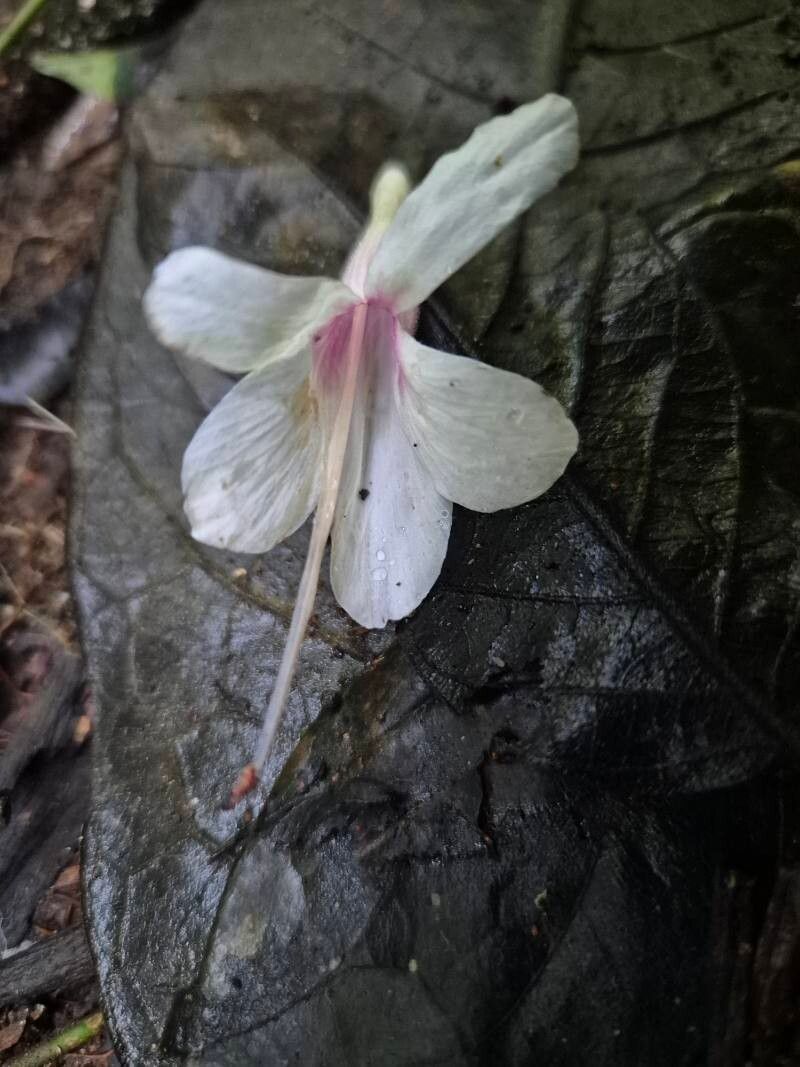
Hello there, fellow plant enthusiasts! If you’ve ever admired the stunning, almost orchid-like blooms of Kaempferia rotunda, also known as the resurrection lily, you’re in for a treat. This little gem, with its vibrant flowers that often appear before the foliage, is a real showstopper. And guess what? Propagating it yourself is incredibly rewarding, giving you more of these beauties to share or simply to fill your space. Now, I won’t lie, Kaempferia rotunda can be a tad particular, so it might be a bit challenging for absolute beginners, but with a little patience and these tips, you’ll be well on your way.
The Best Time to Start
The absolute best time to get your hands dirty with Kaempferia rotunda propagation is during its active growing season. This usually means late spring or early summer, once the plant has fully emerged from its dormancy and is putting on new leaves. Starting when the plant is healthy and vigorous gives your cuttings or divisions the best chance to thrive.
Supplies You’ll Need
To set yourself up for success, gather these essentials:
- Sharp pruning shears or a clean knife: For making clean cuts.
- Well-draining potting mix: A mix of peat moss, perlite, and a bit of compost works wonders. You want it to drain fast!
- Small pots or propagation trays: With drainage holes, of course.
- Rooting hormone (optional but helpful): A powdered or liquid hormone can encourage faster root development.
- Watering can with a fine rose: For gentle watering.
- Clear plastic bag or propagator lid: To create a humid environment.
- A warm spot: Ideally with consistent, gentle bottom heat if possible.
Propagation Methods
My favorite way to propagate Kaempferia rotunda is through division, as it’s often the most successful.
Division
This method is perfect when your plant is established and starting to form clumps.
- Gently unpot your Kaempferia rotunda. Try to do this during its active growing season. Be careful not to damage the fleshy roots.
- Inspect the root ball. You’ll see that it’s made up of rhizomes – these are the underground stems.
- Carefully separate the rhizomes. Use your fingers to gently pull them apart. If they’re stubborn, use a clean knife or your pruning shears to cut them. Make sure each division has at least one healthy eye (the small buds from which new shoots emerge) and a good portion of roots.
- Pot up your divisions. Plant each section in its own pot filled with your well-draining potting mix. Bury the rhizome so the eye is just at or slightly below the surface of the soil.
- Water gently. Give them a light watering to settle the soil.
- Create humidity. Pop a clear plastic bag over the pot or cover it with a propagator lid. This will help keep the moisture in while the plant establishes itself.
The “Secret Sauce” (Pro Tips)
Now for a couple of little tricks I’ve picked up over the years!
- Don’t bury those precious rhizomes too deep! Kaempferia rotunda rhizomes are happiest when they are just slightly covered by soil. Too much depth can lead to rot.
- Bottom heat is your friend. While not strictly necessary, placing your pots on a seedling heat mat can significantly speed up root development. It mimics the warmth of the earth and gives those rhizomes a real energy boost.
- A light misting is better than a deluge. When you check on your divisions, especially if you don’t have a full humidity dome, a light misting of the foliage can help keep things turgid without waterlogging the soil.
Aftercare & Troubleshooting
Once your divisions are potted up, let them settle in. Keep them in a bright spot but out of direct, scorching sun. Water only when the top inch of soil feels dry. You’ll know they’re happy when you see new leaf growth.
The most common problem you might encounter is rot. This is usually a sign of overwatering or soil that doesn’t drain well. If you see your leaf starting to yellow, turn mushy, or the rhizome feels soft and smelly, it’s likely rot. Unfortunately, if rot sets in deeply, it’s very difficult to save. The best approach is prevention: use excellent drainage and water cautiously. If you catch it early, you might be able to trim away the rotten parts with a sterile knife and replant the healthy section in fresh, dry soil.
A Encouraging Closing
Propagating Kaempferia rotunda is a journey, and like any gardening endeavor, it requires a bit of patience. Don’t get discouraged if your first attempt isn’t a runaway success. Each plant, and each propagation attempt, teaches us something new. Enjoy the process of nurturing these little pieces of life, and soon you’ll be rewarded with the enchanting blooms of your very own resurrection lilies. Happy growing!
Resource:
https://identify.plantnet.org/k-world-flora/species/Kaempferia%20rotunda%20L./data