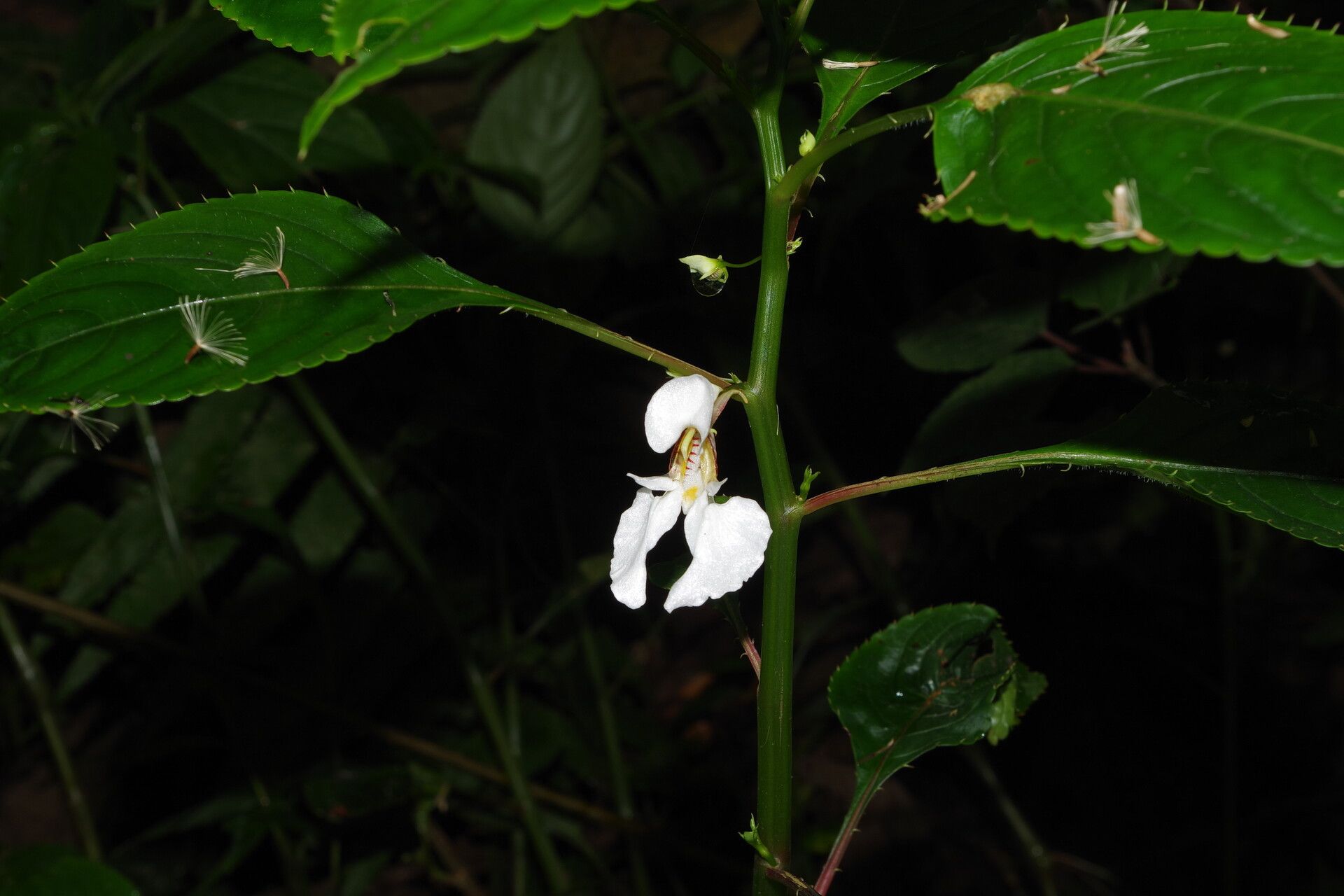
Hello fellow garden enthusiasts! It’s so good to have you here. Today, we’re going to talk about a plant that brings such a vibrant burst of color to any shady nook: Impatiens mannii. If you love those cheerful blooms, you’re in for a treat, because propagating them is a fantastic way to multiply that joy and fill even more of your garden with their beauty. And the best part? For those of you just dipping your toes into the world of plant propagation, you’ll be happy to know that Impatiens mannii is quite forgiving. It’s a wonderful plant to start with!
The Best Time to Start
When is the magic moment to get your Impatiens mannii cuttings going? For the highest success rate, I always recommend starting in late spring or early summer. This is when the plant is actively growing, and the new shoot growth has just started to mature. You’re looking for stems that are firm but not woody. Think of it like this: the plant is full of youthful energy, making it more eager to root.
Supplies You’ll Need
Gathering your tools before you start makes the whole process so much smoother. Here’s what I usually have on hand:
- Sharp pruning shears or a clean knife: For making precise cuts.
- A good quality potting mix: I prefer a light, well-draining mix. A seed-starting mix or a blend of peat moss and perlite works beautifully.
- Perlite or vermiculite: To improve drainage and aeration.
- Small pots or seed trays: Clean ones, of course!
- Rooting hormone (optional but recommended): This really gives those cuttings a boost.
- A plastic bag or propagation cover: To create a mini-greenhouse effect.
- Watering can or spray bottle: For gentle watering.
Propagation Methods
There are a few ways to get new Impatiens mannii plants, but for ease and reliability, stem cuttings are my go-to.
Stem Cuttings:
- Select Your Cuttings: Find healthy, non-flowering stems. Gently pinch or cut a stem that’s about 3-6 inches long. Make your cut just below a leaf node (where a leaf attaches to the stem). This is crucial for successful rooting.
- Prepare the Cutting: Carefully remove the lower leaves from the bottom half of your cutting. You want to expose at least one or two leaf nodes. If the cutting has any flowers or buds, pinch them off. This encourages the plant to put its energy into root formation, not flowering.
- Apply Rooting Hormone (Optional): If you’re using rooting hormone, dip the cut end of the stem into the powder. Tap off any excess.
- Plant Your Cuttings: Fill your small pots or trays with your prepared potting mix. Make a small hole in the center of each pot with your finger or a pencil. Gently insert the cutting into the hole, ensuring that at least one leaf node is buried beneath the soil surface.
- Water Gently: Water the soil thoroughly but carefully. You want it to be moist, but not waterlogged.
- Create a Humid Environment: Place your pots into a plastic bag or cover them with a propagation lid. This traps humidity, which is essential for cuttings to root. Make sure the leaves aren’t touching the plastic if possible – a few stakes can help if needed.
- Provide Light: Place the pots in a bright location that receives indirect sunlight. Avoid harsh, direct sun, which can scorch the delicate cuttings.
Water Propagation (An Alternative):
This method is even simpler for some! For Impatiens mannii, I find it works well for quick root development before planting.
- Prepare the Cutting: Follow steps 1 and 2 above for selecting and preparing your cuttings.
- Place in Water: Fill a small jar or glass with fresh water. Place your cuttings in the water, ensuring that the leaf nodes you removed lower leaves from are submerged. Crucially, make sure no leaves are submerged in the water. Leaves sitting in the water will rot and can kill your cutting.
- Change Water Regularly: Change the water every few days to keep it fresh and prevent bacterial growth.
- Wait for Roots: You should start to see tiny white roots forming from the leaf nodes within a week or two. Once the roots are about an inch long, you can carefully transplant them into pots with soil, following step 4 from the stem cutting method.
The “Secret Sauce” (Pro Tips)
Here are a few little tricks from my own experience that often make all the difference:
- Don’t be afraid to be a little ruthless: When selecting stems, if a stem is too floppy or seems a bit weak, it’s best to skip it. Strong, healthy parent plants lead to strong, healthy new plants.
- Bottom heat is your friend: If you have a heating mat designed for propagation, use it! Placing your pots on a gentle heat source can significantly speed up root development. It mimics the warmth the soil would experience in naturally warmer weather.
- Patience is key: Sometimes a cutting might look a bit sad for a while. Don’t give up too soon! As long as it’s not showing signs of rot, give it time. I’ve had cuttings surprise me by rooting weeks after I’d almost written them off.
Aftercare & Troubleshooting
Once you see those first signs of new growth or a healthy root system emerging from the drainage holes (which is always a cheering sight!), it’s time to adjust their care.
- Gradually Acclimate: If your cuttings were under a cover, start by removing it for a few hours each day, gradually increasing the time until they’re used to the regular humidity.
- Watering: Continue to water them when the top inch of soil feels dry. As they grow larger, they’ll need more frequent watering, but never let them sit in soggy soil.
- Fertilizing: Once your new plants have been in their pots for a few weeks and are showing good growth, you can start feeding them with a diluted liquid fertilizer, about half the strength recommended on the package.
Now, let’s talk about common pitfalls. The biggest issue you might encounter is rot. This usually happens if the soil is too wet and lacks good drainage, or if leaves are constantly in contact with water. You’ll see the stem turn mushy and brown at the soil line. If you spot this, unfortunately, that cutting is likely lost. Prevent it by ensuring good airflow, well-draining soil, and keeping leaves dry. Another sign of trouble is wilting that doesn’t improve after watering – this could indicate root damage or stress.
A Encouraging Closing
Propagating Impatiens mannii is a rewarding journey. It’s a wonderful way to understand the resilience of plants and to fill your garden with an abundance of color. Enjoy the process, watch those tiny roots form, and celebrate each new little plant you nurture. Happy propagating!
Resource:
https://identify.plantnet.org/k-world-flora/species/Impatiens%20mannii%20Hook.f./data