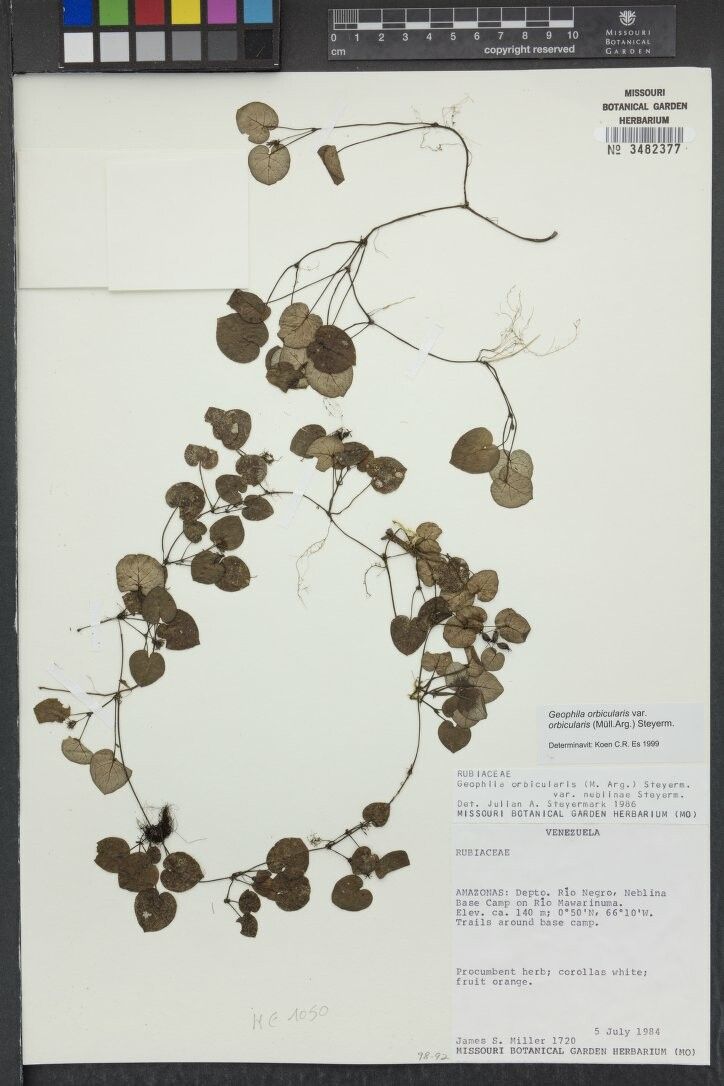
Oh, hello there! Pull up a chair and let’s chat about one of my all-time favorites: Geophila orbicularis. If you’ve ever seen this beauty in person, you know why it steals hearts. Its perfectly round, velvety leaves are just divine, and it brings a wonderful, almost tropical vibe to any space. And the best part? You can easily bring more of this charm into your life through propagation. I’ve found it to be happily beginner-friendly, which is always a bonus!
The Best Time to Start
For Geophila orbicularis, like many plants, the spring and early summer are your golden window. This is when the plant is in its most vigorous growth phase. More energy means it’s more likely to put out those strong roots and bounce back from being divided or cut. Aim for when you see new growth actively emerging.
Supplies You’ll Need
Gathering your tools beforehand makes the whole process much smoother. Here’s what I always have on hand:
- Sharp pruning shears or a clean knife: For making those precise cuts.
- Well-draining potting mix: A good blend of peat moss, perlite, and a bit of compost works wonders. For Geophila, I lean towards a mix that stays slightly moist but doesn’t get waterlogged.
- Small pots or propagation trays: Whatever suits the size of your cuttings.
- Rooting hormone (optional but helpful): Especially if you’re working with stem cuttings.
- Watering can with a fine rose: For gentle watering.
- Plastic bags or a propagation dome: To create that humid environment new cuttings crave.
Propagation Methods
Geophila orbicularis is a gem because it’s amenable to a couple of easy propagation techniques.
Stem Cuttings
This is my go-to method for creating whole new plants.
- Take a cut: Look for a healthy stem with at least 2-3 sets of leaves. Using your sharp shears or knife, make a clean cut just below a leaf node (the point where a leaf attaches to the stem). You want a cutting that’s about 3-4 inches long.
- Prep the cutting: Gently remove the lower leaves, leaving just the top 1-2 sets. If your cutting is very long, you can even take the top leaf and fold it in half carefully to reduce water loss.
- Dip in hormone (optional): Lightly dip the cut end into rooting hormone if you’re using it. Tap off any excess.
- Plant it up: Stick the prepared cutting into your moist, well-draining potting mix. Make sure the node where you removed the leaves is buried.
- Create humidity: Mist the cutting lightly and then cover the pot with a plastic bag or propagation dome. Poke a few holes for ventilation.
Division
This method works best when your Geophila is already a nice, full clump.
- Gently remove from pot: Carefully take the entire plant out of its container.
- Inspect the roots: Loosen some of the soil from the root ball. You’re looking for natural divisions where you can see separate crowns or root systems.
- Make the split: Using your hands or a clean knife, gently pull or cut the plant into smaller sections. Each section should have at least one healthy stem and a decent root system.
- Pot them up: Plant each division into its own pot with fresh, moist soil.
The “Secret Sauce”
Here are a couple of things I’ve learned over the years that really boost my success rates:
- Don’t let those precious leaves touch the water (if water propagating): While I prefer soil for Geophila, if you decide to try water propagation for a stem cutting, ensure only the stem is submerged. Leaves sitting in water are a prime invitation for rot.
- Bottom heat is your best friend: I’ve found that placing propagation trays on a gentle seedling heat mat makes a world of difference. It encourages those roots to form much faster and more robustly. You don’t need it scorching hot, just a gentle warmth.
Aftercare & Troubleshooting
Once your cuttings are planted or divisions are potted, keep them in a bright spot but out of direct sunlight. Water when the top inch of soil feels dry, and always remember that humidity is key – keep those bags or domes on!
You’ll know they’re rooting when you see new leaf growth. This is the most exciting moment! Gently tugging on a cutting – if there’s resistance, roots are forming.
The most common foe here is rot. If your cutting turns mushy and black, it’s likely gotten too much water or not enough air circulation. You might have to toss it. Sometimes, a cutting might just fail to root. Don’t let it discourage you! It happens to the best of us. Just try again, perhaps with a different stem or at a slightly different time.
A Little Patience Goes a Long Way
Propagating Geophila orbicularis is a rewarding journey. It’s a chance to grow your collection and share the plant love. Be patient, enjoy the process of nurturing new life, and before you know it, you’ll have a whole troop of these delightful plants! Happy gardening!
Resource: