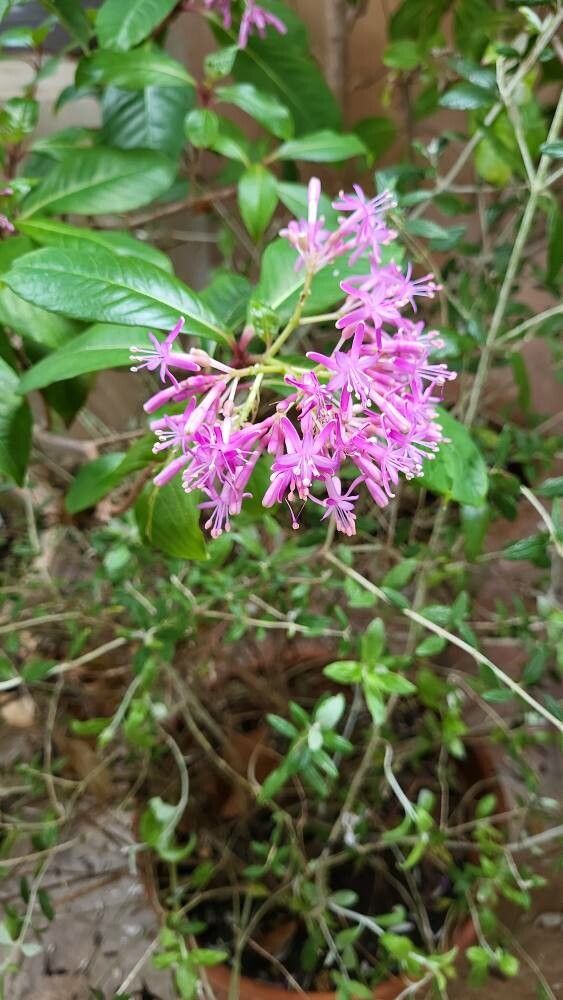
Oh, fuchsias! Aren’t they just delightful? I’ve spent years admiring their graceful, dangling blooms, each one a miniature work of art. And let me tell you, coaxing a brand new fuchsia plant into existence from a tiny cutting is one of the most satisfying gardening joys there is. If you’re looking to expand your fuchsia collection or share these beauties with friends, propagating Fuchsia paniculata is a wonderful way to go. And guess what? It’s actually quite manageable, even for those of you just dipping your toes into the propagation pond.
The Best Time to Start
For the best shot at success with Fuchsia paniculata, aim for late spring or early summer. This is when the plant is actively growing, putting out those lovely new shoots that are perfect for taking cuttings. You want cuttings that are firm but not yet woody. Think of it as taking a healthy piece of new growth, not something that’s already gone stiff and old.
Supplies You’ll Need
Here’s your handy shopping list for a successful propagation session:
- Sharp Pruning Shears or a Clean Knife: For making precise cuts.
- Rooting Hormone (Optional but Recommended): A powder or gel that encourages root development.
- Small Pots or Propagation Trays: Use ones with drainage holes!
- Well-Draining Potting Mix: A good blend is equal parts peat moss, perlite, and coarse sand. You can also find specific seed starting mixes.
- Clear Plastic Bag or Dome: To create a humid environment.
- Spray Bottle: For misting.
- Labels: To mark your cuttings! Trust me, you’ll thank yourself later.
Propagation Methods
Let’s get our hands dirty and talk about how to make more fuchsias! I find stem cuttings to be the most reliable method for Fuchsia paniculata.
- Take Your Cuttings: Select healthy, non-flowering shoots from your parent plant. Look for stems that are about 4-6 inches long and feel firm but pliable. Using your sharp shears or knife, make a clean cut just below a leaf node (that little bump where a leaf attaches to the stem). Remove the lower leaves, leaving just a couple at the top.
- Prepare the Cuttings: If you’re using rooting hormone, dip the cut end into the powder or gel, tapping off any excess. This step isn’t strictly necessary but can really speed things up.
- Plant Your Cuttings: Fill your small pots or trays with your prepared potting mix. Make a small hole with a pencil or your finger, and gently insert the cutting. Firm the soil around the base of the cutting to ensure good contact.
- Create a Humid Environment: Water the soil gently. Then, cover the pots with a clear plastic bag, propped up with sticks or stakes so it doesn’t touch the leaves, or use a propagating dome. This traps moisture, mimicking the humid conditions cuttings crave. Place the pots in a bright spot with indirect light – no direct sun, which can scorch those tender cuttings!
The “Secret Sauce” (Pro Tips)
Having gardened for a while, I’ve learned a few tricks that make a difference.
- Don’t Let the Leaves Touch the Water (in the Potting Mix): When you water your cuttings after planting, make sure the leaves aren’t sitting in soggy soil. This is a fast track to rot. Water from the bottom if you can, allowing the potting mix to wick up moisture.
- Bottom Heat is Your Friend: While not essential, placing your pots on a heated propagator mat can dramatically speed up root formation. Fuchsias love a bit of warmth under their roots to get things going.
- Patience is Key with Leaf Drop: It’s normal for a cutting to lose a leaf or two, and sometimes it might look a bit sad for a while. Don’t despair! As long as the stem is firm and not mushy, it’s still a good candidate. True failure is usually a soft, blackened stem.
Aftercare & Troubleshooting
Once your cuttings have developed a good root system – you can gently test this by very carefully tugging on the cutting; if there’s resistance, you have roots! – it’s time for a little more attention. Gradually remove the plastic cover over a few days to help them acclimate. Continue to keep the soil consistently moist but not waterlogged. Water them thoroughly when the top inch of soil feels dry.
The most common problem you’ll encounter is rot, which is usually due to overwatering and poor air circulation. If a cutting turns black and mushy, it’s time to discard it. Another issue might be lack of rooting, but with proper humidity and a bit of luck, this is less common.
A Encouraging Closing
Propagating fuchsias is a wonderful way to connect with your plants and reward yourself with more of their beauty. Don’t be discouraged if you don’t have 100% success the first time. Gardening is all about learning and experimenting. Enjoy the process, celebrate every new little root you find, and soon you’ll have a whole legion of fuchsias to admire! Happy propagating!
Resource:
https://identify.plantnet.org/k-world-flora/species/Fuchsia%20paniculata%20Lindl./data