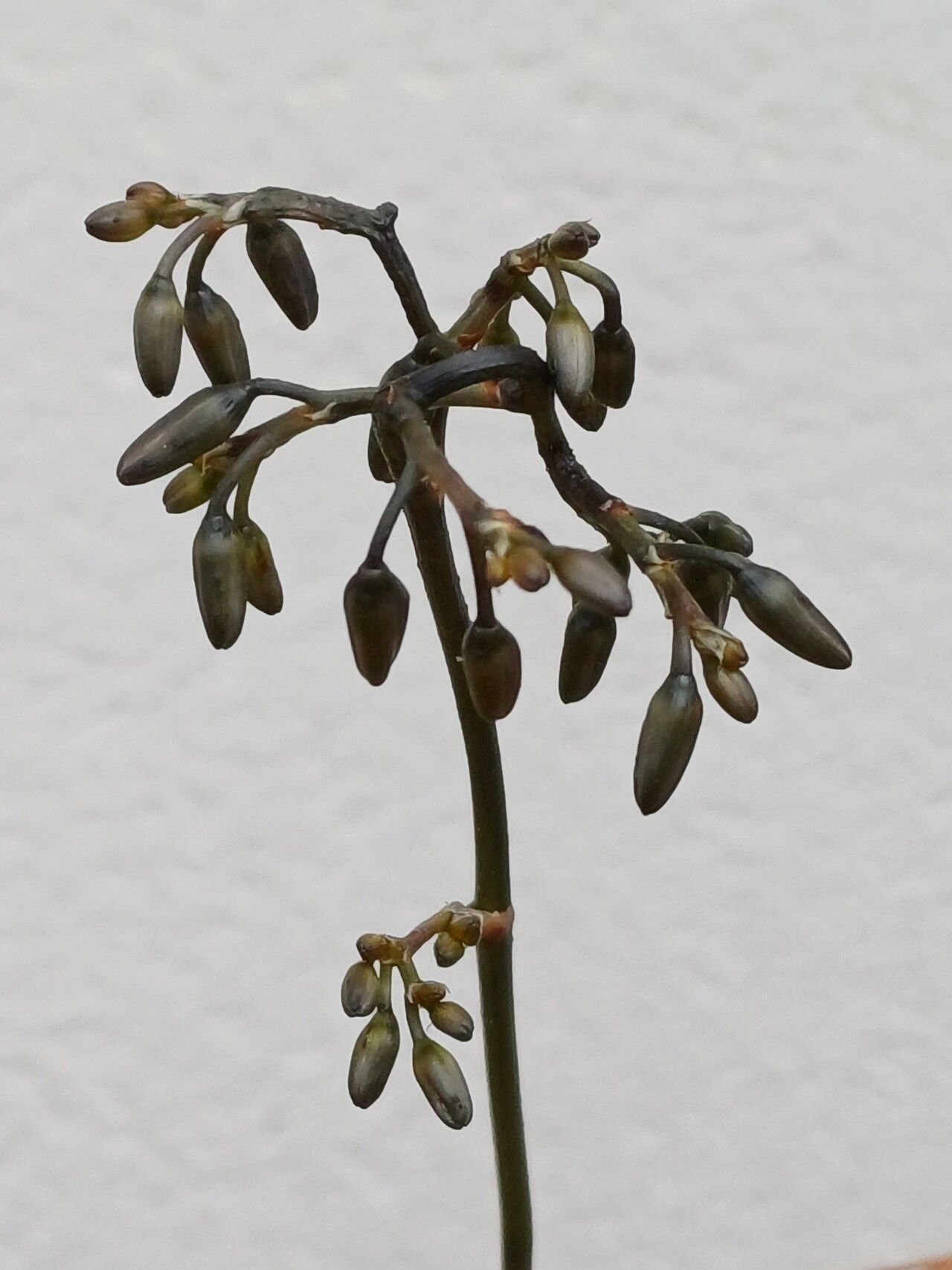
Oh, hello there! Fancy seeing you in my little corner of the garden. Today, we’re diving into the delightful world of Dianella adenanthera. If you’ve ever admired those graceful, strappy leaves and sprays of delicate blue flowers in a garden, you’re in for a treat. Propagating these beauties is incredibly satisfying, and while they might seem a touch exotic, they’re quite approachable, even for those just starting their plant journey. Let’s get growing!
The Best Time to Start
For Dianella adenanthera, spring and early summer are your absolute best friends. This is when the plant is really waking up and putting on its growth spurt. Starting new plants during this active period gives them the longest possible growing season to establish themselves before cooler weather arrives. You can also have success with division in the fall, but spring is generally my go-to for cuttings and starting seeds if you’re going that route.
Supplies You’ll Need
Gathering your tools beforehand makes the whole process so much smoother. Here’s what I recommend:
- Sharp pruning shears or a clean, sharp knife: For taking cuttings and dividing.
- A well-draining potting mix: I personally love a blend of equal parts peat moss, perlite, and compost. For Dianella, make sure it lets water escape quickly.
- Small pots or seedling trays: Clean ones, of course!
- Rooting hormone (optional but recommended for cuttings): The powdered kind works a treat.
- Watering can or spray bottle: For gentle watering.
- Labels or markers: To keep track of what you’ve planted!
- A small trowel or dibber: Handy for making holes in the soil.
Propagation Methods
Dianella adenanthera is pretty giving when it comes to sharing its offspring. The most straightforward methods for home gardeners are division and taking stem cuttings.
Division: The Natural Way
This is truly the easiest method, especially if you already have a mature plant.
- Gently unpot your Dianella. Try to disturb the roots as little as possible.
- Inspect the root ball. You’ll often see that the plant is naturally growing in clumps.
- Carefully pull or use your shears to separate a clump that has its own roots and at least a few shoots. Aim for sections that are roughly fist-sized.
- Replant your divisions immediately into pots filled with your well-draining mix.
- Water them in gently and place them in a bright spot, but out of direct, harsh sunlight for the first week or so.
Stem Cuttings: A Little More Patience
This method takes a bit more time, but it’s wonderful for increasing your collection.
- Select healthy, non-flowering stems from your mature plant. Look for stems that are firm but not woody.
- Using your sharp shears, cut a stem about 4-6 inches long. Make your cut just below a leaf node (where a leaf attaches to the stem).
- Remove the lower leaves. Leave just a couple of leaves at the top to help with photosynthesis.
- Dip the cut end into rooting hormone. Tap off any excess. This step really helps encourage those roots to form.
- Make a hole in your potting mix with a dibber or your finger and gently insert the cutting. Firm the soil around the base.
- Water gently and cover the pot with a clear plastic bag or dome to create a humid environment. This is crucial!
- Place the pot in a warm location with bright, indirect light.
The “Secret Sauce” (Pro Tips)
Here are a couple of things I’ve learned over the years that make a big difference:
- Keep those cuttings clean! If you’re doing stem cuttings in water (which is a bit trickier for Dianella, I find soil propagation more reliable), make sure no leaves touch the water’s surface. Any submerged leaves will rot, and that’s a surefire way to spell doom for your cutting. Change the water every few days to keep it fresh.
- Bottom heat is your friend. Especially for stem cuttings, placing your pots on a propagation mat or even just on top of a warm (but not hot!) appliance can significantly speed up root development. It mimics that lovely summer soil warmth.
Aftercare & Troubleshooting
Once you see signs of new growth – tiny leaves unfurling or resistance when you gently tug on a cutting – you know roots are forming!
- For divisions: Continue to water them regularly, allowing the soil to dry out slightly between waterings. Once they’re looking robust, you can transplant them into your garden or larger pots.
- For cuttings: Gradually wean them off the plastic cover over a few days to acclimate them to normal humidity. Continue to keep the soil moist but not soggy.
The most common issue you might encounter is rot. If a cutting turns mushy and black, it’s usually a sign of too much moisture and not enough air circulation. Sadly, rotten cuttings are usually beyond saving. If you see this, remove the affected cutting immediately to prevent it from spreading. Sometimes, a cutting just doesn’t take, and that’s okay too! Don’t be discouraged; just try again.
A Encouraging Closing
Growing new plants from your existing ones is such a rewarding part of gardening. It’s a gentle dance with nature, and sometimes it takes a few tries to get it just right. Be patient with your Dianella, give them the right conditions, and celebrate every little bit of progress. Happy propagating, and may your garden continue to flourish!
Resource: