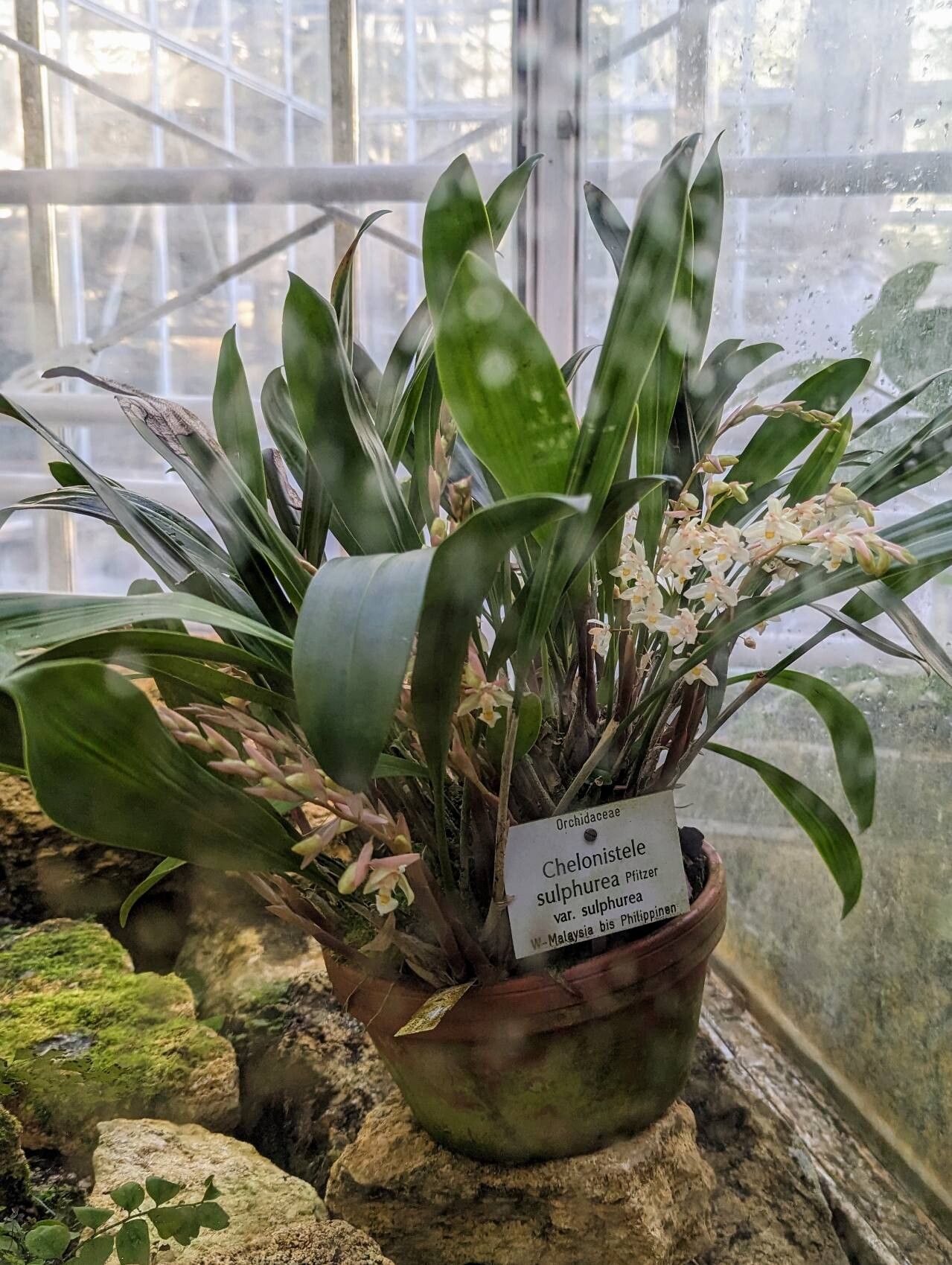
Your Own Sunshine: Bringing More Coelogyne sulphurea into Your Life!
Oh, Coelogyne sulphurea! If you’re anything like me, the sight of this orchid brings a little burst of sunshine into your day. With its delicate, creamy yellow blooms that often carry a lovely fragrance, it’s a real charmer. And the best part? You can have more of this beauty without breaking the bank! Propagating orchids might sound a bit daunting, but trust me, with a little patience and the right know-how, you’ll be well on your way. Coelogyne sulphurea is a reasonably forgiving orchid, making it a wonderful candidate for trying your hand at propagation.
When Your Orchid is Ready to Share
The sweet spot for propagating Coelogyne sulphurea is generally after the blooming period, and while the plant is actively in its growth phase. Think of it as its energetic spurt – that’s when it has the most vigor to dedicate to new beginnings. This usually falls in late spring or early summer for many growers. You’ll notice new pseudobulbs starting to plump up, and perhaps even new leaves emerging. This is your cue!
Your Propagation Toolkit
Gathering your supplies beforehand makes the whole process much smoother. Here’s what you’ll want to have on hand:
- Sharp, sterilized pruning shears or a clean knife: Think of it as giving your orchid a very precise haircut. Sterilize with rubbing alcohol or a flame (and let it cool!).
- Orchid bark mix: A good quality, airy mix is crucial. I like a blend with large bark chips, perlite, and a bit of sphagnum moss. This ensures excellent drainage and aeration.
- New pots or containers: Small ones are perfect for young plants. Terra cotta or plastic will work; just ensure they have drainage holes.
- Rooting hormone (optional but helpful): A little dab can encourage root development.
- Clean water: For cleaning tools and perhaps rinsing new divisions.
- A spray bottle: For misting.
Let’s Get Growing: Division is Key!
For Coelogyne sulphurea, the most successful and straightforward method is division. These orchids grow in clusters, forming new pseudobulbs around the older ones. When the clump gets large enough – typically with at least three to four healthy pseudobulbs – it’s ready to be divided.
- Gently remove the orchid from its pot. If it’s tightly bound, you might need to carefully loosen the roots with your fingers or a blunt tool.
- Clean off excess potting medium. You want to see the root structure clearly.
- Identify your division points. Look for natural breaks where pseudobulbs meet. You want to ensure each new division has at least two to three healthy pseudobulbs and some good roots.
- Make the cut. Using your sterilized shears or knife, carefully cut between the pseudobulbs. If it’s a stubborn division, you might need to gently tease the roots apart.
- Inspect the cuts. Make sure there’s no sign of rot or damage. If you find any mushy bits, clean them away as best you can.
- Pot up your new divisions. Place each division into its own pot, nestled in your fresh orchid bark mix. Ensure the base of the pseudobulbs is at or slightly above the surface of the mix.
The “Secret Sauce” from My Garden Bench
Now, for a few little tricks I’ve learned over the years that can really boost your success:
- The gentle nudge: When dividing, don’t be afraid to gently wiggle the pseudobulbs apart. Sometimes, a slight twist can break the rhizome connection without damaging the roots too much. Patience here is key!
- Give them a “hug”: After potting, I like to press the bark mix down around the new division just slightly. This ensures good contact between the roots and the media, which is vital for moisture uptake.
- Don’t overwater initially: Your newly divided plants are stressed. They need moisture, but too much can lead to rot before new roots establish. Mist the leaves lightly and only water the potting mix when it starts to feel dry.
Aftercare & What to Watch For
Once your new Coelogyne sulphureas are settled into their new homes, resist the urge to fuss too much.
- Light: Place them in bright, indirect light.
- Watering: Wait a few days after potting before watering. Then, water thoroughly when the potting mix is almost dry. Misting the foliage can help keep humidity up without waterlogging the roots.
- Humidity: These orchids love a bit of humidity. A pebble tray or grouping plants together can help.
What if things go south? The most common culprit is rot. You’ll see signs like shriveled, yellowing leaves that feel mushy, or a black, soft base to the pseudobulb. If you spot this, act fast. You might need to unpot, carefully trim away the rotted parts with a clean knife, and re-pot into fresh, dry medium. Sometimes, even with the best care, a division might not make it, and that’s okay. It’s a natural part of the process.
Keep Growing!
Propagating orchids is a journey, and Coelogyne sulphurea is a wonderful companion for that adventure. Remember to be patient, observe your plants, and celebrate every new root and leaf. You’re not just growing orchids; you’re growing your confidence and bringing more of that lovely sunshine into your home. Happy growing!
Resource:
https://identify.plantnet.org/k-world-flora/species/Coelogyne%20sulphurea%20(Blume)%20Rchb.f./data