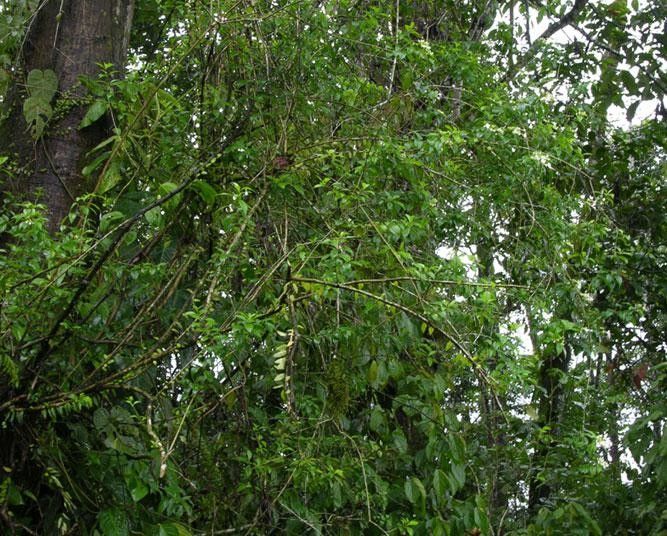
Hello, fellow plant lovers! Today, we’re diving into how to multiply one of my absolute favorites: Volkameria ligustrina. You might know it as Clerodendrum or Chinese Bleeding Heart. This plant is simply charming. Its delicate, cascading white flowers, often tinged with pink, are a real showstopper. Plus, the way it gracefully drapes is just stunning.
Propagating it means you get to share this beauty with friends or fill your own garden with more of this delightful plant. It’s a wonderfully rewarding process, and I’m happy to say the Volkameria is quite forgiving, making it a great choice even if you’re just starting your propagation journey.
The Best Time to Start
For the absolute best success, I always recommend taking cuttings in late spring or early summer. This is when the plant is in its most vigorous growth phase. You want to look for stems that are semi-hardwood – they’ll be flexible but not so soft that they immediately wilt. Think of it like this: they’ve had a good growth spurt and are sturdy, but they aren’t old and woody.
Supplies You’ll Need
Gathering your supplies beforehand makes the whole process so much smoother. Here’s what you’ll want to have on hand:
- Sharp Pruning Shears or a Craft Knife: A clean cut is crucial to prevent disease.
- Rooting Hormone (Powder or Gel): While not strictly mandatory, it gives your cuttings a significant boost.
- Small Pots or Seedling Trays: Clean ones, of course!
- A Good Potting Mix: I like a blend of equal parts peat moss or coco coir and perlite or coarse sand. This ensures good drainage.
- Plastic Bags or a Clear Cloche: To create a humid microclimate.
- Watering Can with a Fine Rose or a Spray Bottle: For gentle watering.
- Labels and a Permanent Marker: To keep track of your efforts!
Propagation Methods
Volkameria ligustrina is a trooper when it comes to propagation, and stem cuttings are my go-to method.
Stem Cuttings:
- Select Your Cuttings: Find those semi-hardwood stems. Look for healthy growth, free from any signs of pests or disease. You’ll want cuttings that are about 4-6 inches long.
- Make the Cut: Using your clean shears or knife, make a cut just below a leaf node (where a leaf meets the stem). This is where the magic happens for root development.
- Prepare the Cuttings: Gently remove the lower leaves, leaving just two or three at the very top. This prevents them from rotting in the soil and reduces water loss.
- Apply Rooting Hormone: Dip the cut end into your rooting hormone, tapping off any excess. This step creates a protective barrier and encourages root growth.
- Plant Your Cuttings: Fill your pots with the prepared potting mix. Make a small hole with your finger or a pencil, insert the cutting, and gently firm the soil around it. You want the lowest leaf nodes to be buried.
- Water Gently: Water thoroughly until you see water draining from the bottom of the pot.
- Create Humidity: Place the pots inside a plastic bag or cover them with a cloche. Prop the bag up with stakes so it doesn’t touch the leaves. This creates a mini-greenhouse.
Water Propagation (Less common, but can work for volunteers):
If you happen to have a few extra stem pieces, you can try water propagation. Place the cut end in a glass of water, ensuring no leaves are submerged. Change the water every few days. While Volkameria isn’t as famous for this as some other plants, I’ve had success with it on occasion. It’s exciting to watch the roots develop underwater!
The “Secret Sauce” (Pro Tips)
Here are a couple of things I’ve learned over the years that really help give your cuttings a fighting chance:
- Bottom Heat is Your Friend: If you have a heat mat designed for seedlings, placing your pots on top of it can significantly speed up root development. That gentle warmth mimics springtime soil temperatures and really encourages those roots to form.
- Don’t Over-Water: I know it seems counterintuitive when you want roots, but soggy soil is the enemy. Let the top inch of soil dry out slightly between waterings. Soggy conditions are a sure fast-track to rot.
Aftercare & Troubleshooting
Once you see new leaf growth appearing on your cuttings, that’s a very good sign they’ve rooted! Gradually introduce them to more air by opening the plastic bag a little more each day over a week or so. Keep them in bright, indirect light.
What if things go wrong? The most common issue is rot, which usually happens from overwatering or poor drainage. If your cutting turns black and mushy, it’s sadly a goner. Sometimes, cuttings might just shrivel up if they dry out too much or if the humidity wasn’t high enough. Don’t get discouraged! Every attempt is a learning experience.
A Encouraging Closing
Propagating Volkameria ligustrina is a bit like watching a tiny miracle unfold. It takes patience, yes, but the joy of nurturing a new plant from a simple cutting is truly something special. So, grab your pruners, get your hands in the soil, and enjoy the journey. Happy propagating!
Resource:
https://identify.plantnet.org/k-world-flora/species/Volkameria%20ligustrina%20Jacq./data