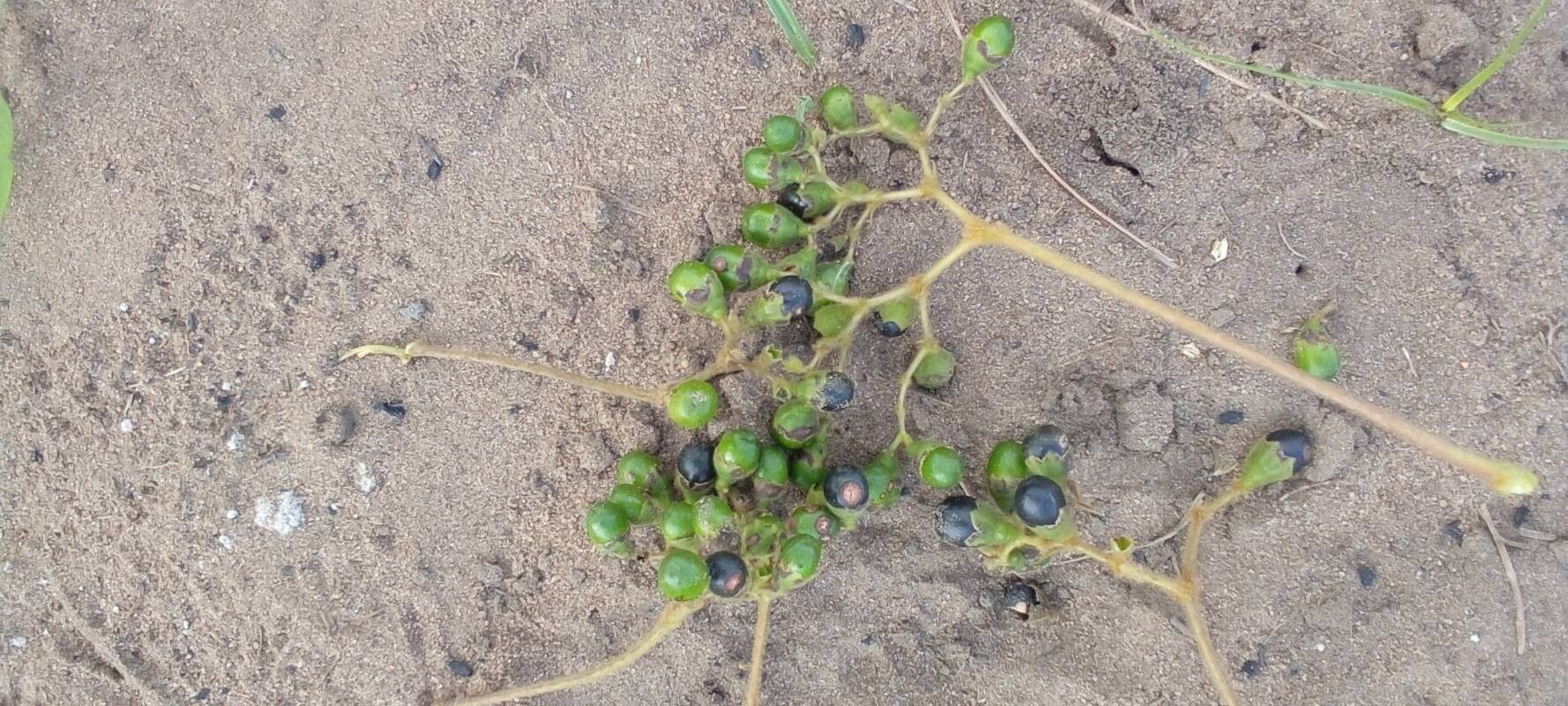
Hello fellow garden enthusiasts! I’m so glad you’re here. Today, we’re diving into the wonderful world of propagating Vitex ferruginea, or as I affectionately call it, the “rusty vitex.” This beauty, with its lovely foliage and often fragrant blooms, is a real showstopper. And the satisfaction of coaxing a brand new plant from a little piece of an existing one? Well, that’s pure gardening joy.
If you’re new to propagation, don’t worry! While Vitex ferruginea isn’t as fuss-free as, say, a succulent, it’s certainly doable for beginners with a little care and attention. You’ll be rewarded with more of this gorgeous shrub to fill your garden or share with friends.
The Best Time to Start
For the highest success rate with stem cuttings of Vitex ferruginea, aim for late spring or early summer. This is when the plant is actively growing and has plenty of energy to put into developing roots. You’ll want to select semi-hardwood cuttings – these are stems that are starting to firm up but still have a bit of flexibility, not the brand new, soft green shoots or the old, woody brown stems.
Supplies You’ll Need
Gathering your supplies beforehand makes the whole process smoother:
- Sharp pruning shears or a clean, sharp knife: You want to make clean cuts to avoid damaging the stem.
- Rooting hormone (optional but recommended): This helps stimulate root development, especially for trickier cuttings. Look for one formulated for softwood to semi-hardwood cuttings.
- Small pots or trays: Clean containers with drainage holes are essential.
- A good potting mix: A well-draining mix is key. I often use a blend of equal parts peat moss (or coir), perlite, and sterile potting soil. Some gardeners swear by a mix just of perlite and peat moss for cuttings.
- Plastic bags or a propagation dome: This creates a humid environment to keep your cuttings from drying out.
- Watering can or spray bottle: To keep the soil gently moist.
- Labels and a marker: To keep track of what you’ve planted and when.
Propagation Methods
Let’s get our hands dirty! Stem cuttings are my go-to for propagating Vitex ferruginea.
Method: Stem Cuttings
- Take your cuttings: In late spring or early summer, select healthy, vigorous stems. Using your sharp shears, take cuttings that are about 4-6 inches long. Make the cut just below a leaf node (where a leaf attaches to the stem).
- Prepare the cuttings: Gently remove the lower leaves. You want to leave just a few sets of leaves at the top. If the remaining leaves are very large, I’ll often cut them in half to reduce water loss through transpiration. This helps the cutting focus its energy on root production.
- Apply rooting hormone (optional): Dip the cut end of each stem into your rooting hormone, tapping off any excess.
- Plant the cuttings: Fill your pots or trays with your prepared potting mix. Use a pencil or your finger to make a small hole in the soil. Insert the cut end of the Vitex ferruginea cutting into the hole, ensuring the rooting hormone stays in place. Gently firm the soil around the stem.
- Water them in: Water gently but thoroughly to settle the soil around the cuttings.
- Create humidity: Cover the pots with clear plastic bags, gently securing them with a rubber band, or place them under a propagation dome. Make sure the leaves do not touch the plastic. You can use small stakes to prop up the bag if needed.
- Provide light and warmth: Place the pots in a bright location, but out of direct sunlight. A windowsill that gets bright, indirect light is perfect. If you have a heat mat for seedlings, placing the pots on it can significantly speed up rooting.
The “Secret Sauce” (Pro Tips)
Now, for a couple of things I’ve learned over the years that can make a big difference:
- Don’t drown them! While they need to stay moist, overly soggy soil is a fast track to rot. Water only when the top inch of soil feels dry to the touch. It’s always better to be slightly on the drier side than too wet.
- Bottom heat is your friend. As I mentioned, using a gentle warming mat under your pots can really accelerate root development. The warmth encourages the plant to send out those crucial roots much faster than it would at room temperature alone.
- Cleanliness is paramount. Always use sterilized tools and clean pots. This prevents the introduction of any fungal or bacterial diseases that can kill your precious cuttings before they even have a chance to root.
Aftercare & Troubleshooting
Once you see signs of new growth – tiny new leaves emerging or little roots peeking out of the drainage holes – you’re on your way!
- Gradually acclimate them: Once roots have formed, start gradually removing the humidity cover over a week or so. This helps the new plant adjust to normal humidity levels.
- Watering: Continue to keep the soil consistently moist, but not soggy. As the plant grows, you can start watering it like a mature plant.
- Transplanting: Once the roots have filled the pot, you can transplant your new Vitex ferruginea into slightly larger pots with a good quality potting mix.
Troubleshooting: The most common issue you’ll encounter is rot. If your cuttings turn black and mushy, it’s usually a sign of too much moisture and not enough air circulation. If this happens, you might need to discard the affected cuttings and start again, being extra careful with watering and ensuring good drainage. Wilting can also occur if they dry out too much, but this is usually easier to fix with a good watering.
A Encouraging Closing
So there you have it – a guide to propagating your own Vitex ferruginea. Remember, gardening is a journey, and not every cutting will be a success. Don’t get discouraged if you have a few failures along the way. The key is to be patient, observe your plants, and learn from each experience. Soon enough, you’ll have a beautiful collection of rusty vitex to enjoy. Happy propagating!
Resource:
https://identify.plantnet.org/k-world-flora/species/Vitex%20ferruginea%20Schumach.%20&%20Thonn./data