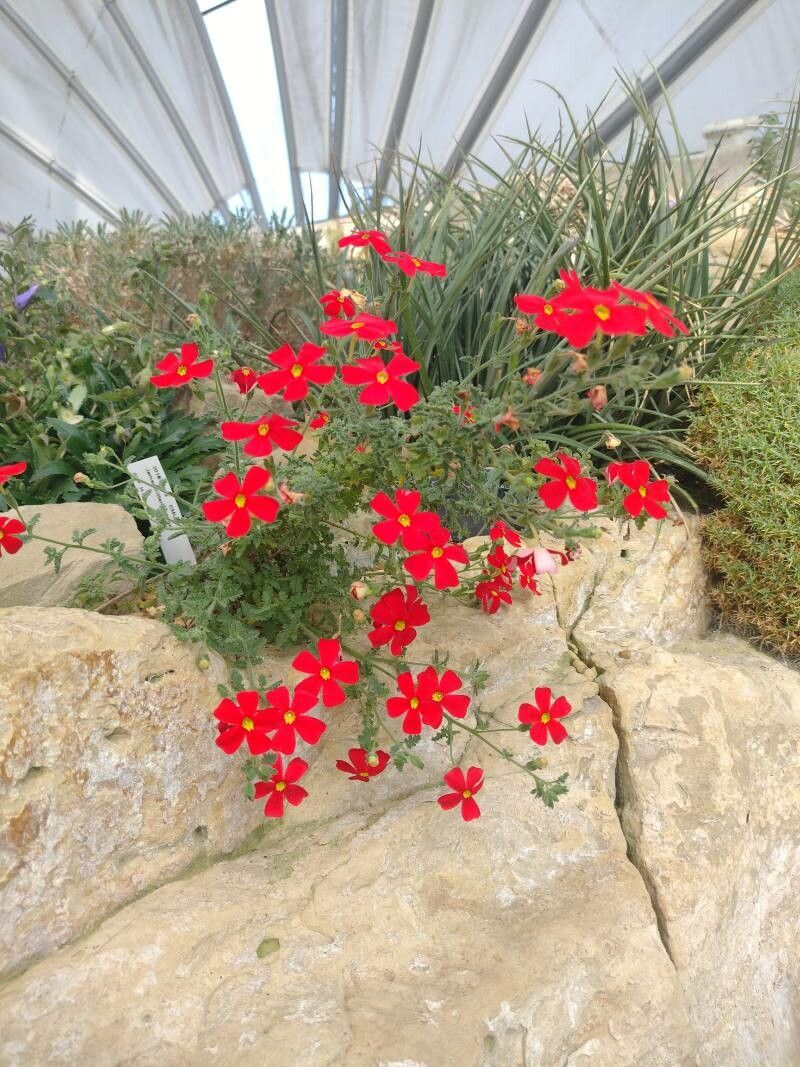
Oh, hello there! So excited you’re thinking about propagating Jamesbrittenia bergae. If you’ve ever seen this little gem spilling over a pot or twinkling in a garden bed, you know it’s a showstopper. Its delicate, star-shaped flowers, often in vibrant blues and purples, are just utterly charming. And the best part? You can easily have more of them to share or enjoy yourself! Don’t let its dainty appearance fool you; propagating Jamesbrittenia bergae is quite accessible, even if you’re just dipping your toes into the world of plant propagation.
The Best Time to Start
Honestly, I find the sweet spot for getting a jump on Jamesbrittenia bergae is late spring or early summer. This is when the plant is actively growing and its stems are nice and supple, ready to develop new roots. You can also have success with cuttings taken in late summer, aiming to get them established before the cooler weather really sets in.
Supplies You’ll Need
You won’t need a whole greenhouse’s worth of gizmos. Here’s what I typically gather:
- Sharp Pruning Shears or a Clean Knife: For taking neat, clean cuttings.
- Rooting Hormone (Optional but Recommended): A dip in this helps speed things up. Look for one specifically for stem cuttings.
- A Well-Draining Potting Mix: I like a blend of peat moss, perlite, and a little bit of coco coir. It needs to dry out without getting waterlogged.
- Small Pots or Seed Trays: Clean ones are essential to avoid disease.
- Plastic Bags or a Clear Dome: To create a humid environment.
- Watering Can with a Fine Rose: For gentle watering.
Propagation Methods
I usually stick to one of two reliable methods for Jamesbrittenia bergae.
Stem Cuttings:
- Select Healthy Stems: Look for vigorous, non-flowering stems on your mature plant. Aim for pieces that are about 4-6 inches long.
- Make the Cut: Using your clean shears or knife, make a clean cut just below a leaf node (that little bump where a leaf emerges).
- Prepare the Cutting: Gently remove the lower leaves, leaving just a couple at the very top. This prevents them from rotting in the soil.
- Apply Rooting Hormone: If you’re using it, dip the cut end into the rooting hormone, tapping off any excess.
- Plant the Cuttings: Make a small hole in your prepared potting mix with a pencil or your finger. Insert the cutting, ensuring the leaf nodes that were below the soil line are buried. Gently firm the soil around the stem.
- Water and Cover: Water gently to settle the soil. Then, place a clear plastic bag over the pot (propped up so it doesn’t touch the leaves) or cover it with a clear dome. This creates a mini-greenhouse effect.
- Place in Bright, Indirect Light: Find a spot that gets lots of light but no direct sun, which can scorch the young cuttings.
Water Propagation:
This is a simpler, more visual method for some.
- Take Cuttings: Follow steps 1-3 from the stem cutting method.
- Place in Water: Fill a clean jar or glass with fresh water. Submerge the cut end of the stem, making sure no leaves are in the water.
- Change Water Regularly: Change the water every 2-3 days to keep it fresh and prevent rot.
- Watch for Roots: In a few weeks, you should start to see tiny white roots forming. Wait until the roots are about an inch long before transplanting.
- Plant in Soil: Gently transplant the rooted cuttings into your well-draining potting mix, just as you would with the stem cuttings.
The “Secret Sauce” (Pro Tips)
Here are a couple of things I’ve learned that make a difference:
- Don’t let those leaves touch the water! In water propagation, any foliage submerged will quickly turn mushy and invite disease. It’s a common mistake that leads to failure.
- Consider bottom heat. A gentle, consistent warmth from underneath can really speed up root formation. You can buy a propagation mat for this, or even place your pots on top of your refrigerator (if it’s not too hot!). It just gives those baby roots a little encouragement.
Aftercare & Troubleshooting
Once you see signs of new growth – little leaves or the stem feels firm when gently tugged – your cuttings have rooted!
- Gradual Acclimation: If you used a plastic bag or dome, gradually remove it over a few days. This helps the new plant adjust to the normal humidity levels.
- Watering: Water when the top inch of soil feels dry. Avoid overwatering, which is the quickest way to a sad, rotted plant.
- Light: Continue to provide bright, indirect light. As the plant gets stronger, you can slowly introduce it to more direct sun, but always watch for signs of scorching.
If your cuttings go limp and soft, or the cut end turns dark and mushy, that’s usually a sign of rot. This often happens from too much moisture, poor drainage, or using unsterilized equipment. Don’t be discouraged if you lose a few – it happens to all of us! Just try again, perhaps with a slightly drier mix or by being extra vigilant about changing the water.
A Encouraging Closing
Propagating Jamesbrittenia bergae is a wonderfully rewarding way to multiply these little bursts of floral joy. Be patient with your new plant babies, offer them a bit of care and attention, and soon you’ll have a whole troop of them to brighten your world. Happy propagating!
Resource:
https://identify.plantnet.org/k-world-flora/species/Jamesbrittenia%20bergae%20Lemmer/data