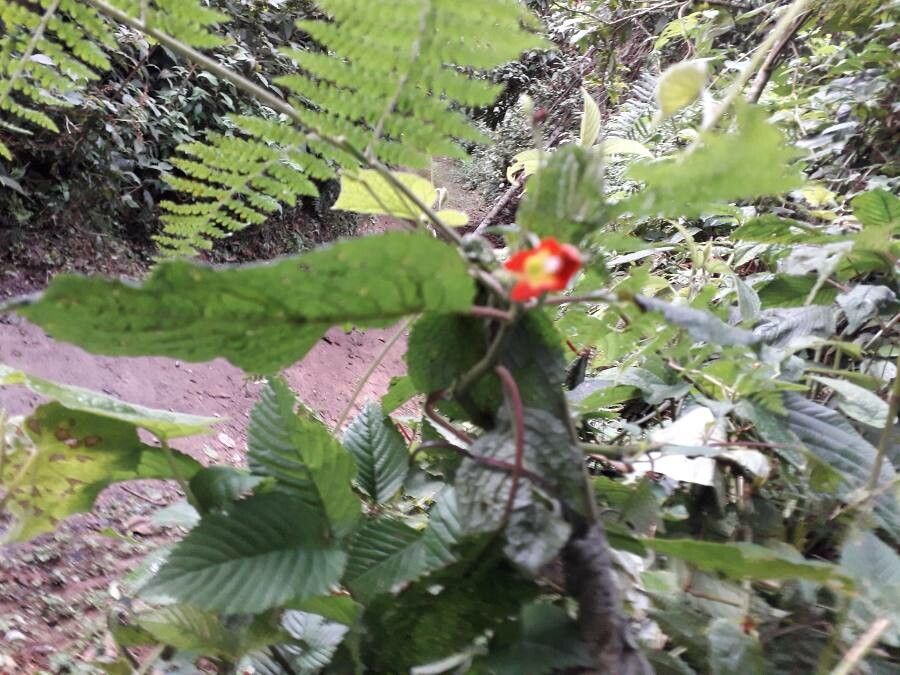
Hey there, fellow garden enthusiasts! Today, we’re diving into something truly delightful: propagating Impatiens gesneroidea. These beauties, often called “grafted impatiens” or just “lovely impatiens” by many, bring such a splash of color to our shady spots. They’re truly a gardener’s dream, with those vibrant blooms that seem to pop against lush foliage.
And the best part? Sharing them! Propagating these plants is so incredibly rewarding. It’s like giving a little piece of your garden joy to a friend, or simply expanding your own collection without breaking the bank. For beginners, I’d say that while it requires a little attention to detail, Impatiens gesneroidea is actually quite forgiving and definitely achievable with a bit of care. You’ll be a pro in no time!
The Best Time to Start
For the highest success rate, I always recommend starting your propagation in the late spring or early summer. This is when the plant is actively growing and has plenty of energy to put into developing new roots. Think of it as giving your new little plants the best possible head start as the days get warmer and longer. Waiting until after the main flowering flush also means you’re not taking away from the plant’s current bloom show.
Supplies You’ll Need
Gathering your supplies beforehand makes the whole process so much smoother. Here’s what you’ll want to have on hand:
- Sharp Pruning Shears or a Craft Knife: Clean cuts are key!
- Propagation Pots or Small Garden Pots: About 3-4 inches are usually sufficient.
- Well-Draining Potting Mix: A peat-based mix with perlite is excellent. You can also use a seed-starting mix.
- Rooting Hormone (Optional but Recommended): This really speeds things up and improves success.
- Plastic Bags or Humidity Domes: To create that essential humid environment.
- Watering Can with a Fine Rose or Spray Bottle: For gentle watering.
- Labels: To keep track of what you’ve propagated and when!
Propagation Methods
Let’s get our hands dirty! The most reliable way to propagate Impatiens gesneroidea is through stem cuttings.
Stem Cuttings: Step-by-Step
- Select Healthy Stems: Look for vigorous, non-flowering stems on a healthy parent plant. Aim for cuttings that are about 4-6 inches long.
- Make the Cut: Using your clean pruning shears or craft knife, make a clean cut just below a leaf node. A leaf node is where a leaf attaches to the stem. This is where roots will emerge.
- Prepare the Cutting: Gently remove the lower leaves from the bottom half of the cutting. Leave just a few leaves at the top. This reduces water loss and prevents leaves from rotting in the soil.
- Apply Rooting Hormone (If Using): Dip the cut end of the stem into your rooting hormone, tapping off any excess. This helps stimulate root development.
- Plant the Cuttings: Fill your propagation pots with your prepared potting mix. Make a small hole in the center with your finger or a pencil. Insert the cut end of the stem into the hole, making sure the leaf nodes are below the soil surface. Gently firm the soil around the base of the cutting.
- Water Gently: Water the soil thoroughly but gently until it’s moist but not waterlogged.
- Create Humidity: Place a plastic bag over the pot, securing it with a rubber band, or use a clear humidity dome. This creates a mini greenhouse and keeps the humidity high, which is crucial for cuttings to root.
The “Secret Sauce” (Pro Tips)
Here are a couple of tricks I’ve learned over the years that can make a real difference:
- Don’t Let Leaves Touch the Water (If Water Propagating): While I primarily recommend stem cuttings in soil, some folks like to start impatiens in water. If you do this, make absolutely sure the leaves are above the water line. Any submerged foliage will quickly rot and can kill your cutting.
- Bottom Heat is Your Friend: If you have one, placing your pots on a heated propagation mat can significantly speed up root formation. It mimics the warmth of spring and encourages those roots to take off. Just make sure the temperature isn’t too high, around 70-75°F is ideal.
Aftercare & Troubleshooting
Once your cuttings are planted, place them in a bright spot out of direct sunlight. Keep the soil consistently moist but not soggy. You want that humidity to stay high inside your plastic bag or dome.
You’ll know your cuttings have rooted when you see new leaf growth or feel a slight resistance when you gently tug on the cutting. This usually takes 3-6 weeks. Once they’ve rooted, you can gradually introduce them to more light and ventilation by slowly opening the bag or removing the dome over a few days.
The most common issue you might face is rot. If you see your cuttings becoming mushy, black, or falling over, it’s usually a sign of too much moisture or poor air circulation. In this case, unfortunately, it’s best to discard the affected cutting and try to improve your watering and ventilation practices for the remaining ones.
A Little Patience Goes a Long Way
And there you have it! Propagating Impatiens gesneroidea is a wonderful way to expand your garden and share the beauty you love. It might take a little patience, but seeing those tiny roots develop and new growth emerge is incredibly satisfying. So grab your shears, get your hands dirty, and happy propagating! You’ve got this!
Resource:
https://identify.plantnet.org/k-world-flora/species/Impatiens%20gesneroidea%20Gilg/data