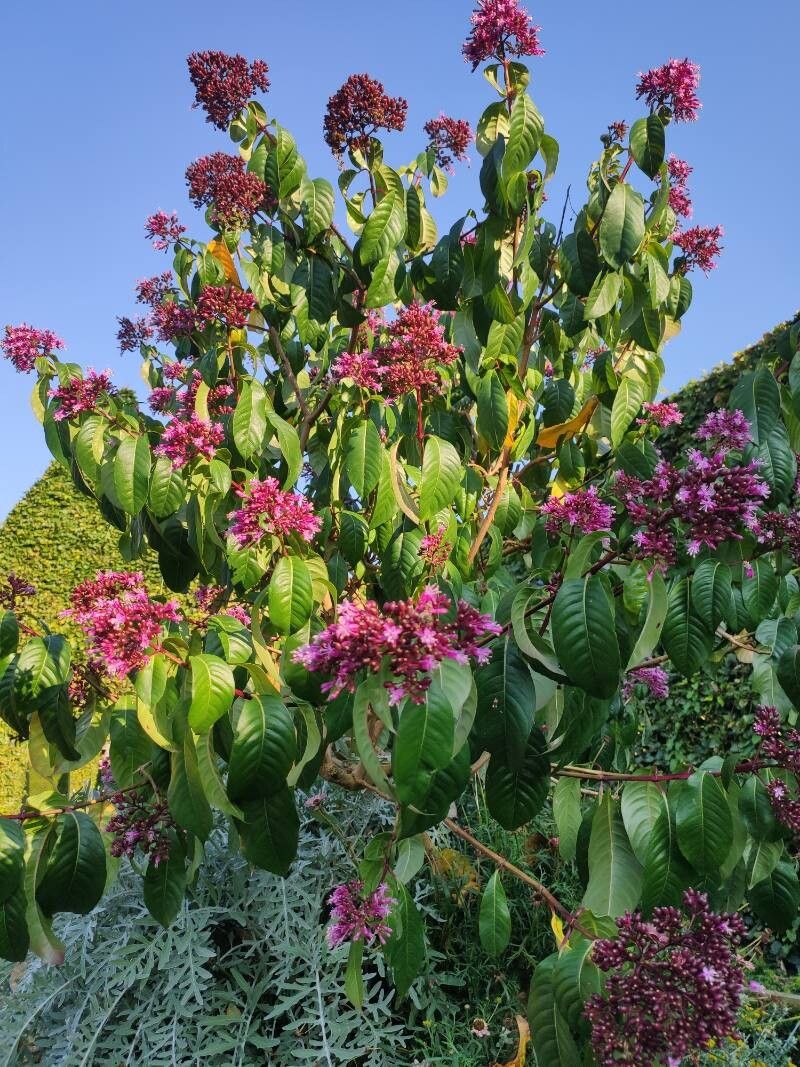
Bringing More Fuchsia arborescens into Your Garden: A Propagator’s Delight
Oh, the joy of fuzz-tailed Fuchsias! Fuchsia arborescens, with its delightful, often dangling, bell-shaped flowers and lovely shrubby habit, is a real treasure in any garden. It brings a touch of whimsy and a cascade of color that’s simply captivating. And you know what’s even more rewarding than admiring your own? Growing more of them! Propagating your Fuchsia arborescens is a fantastic way to expand your collection, share with friends (because who doesn’t need more fuzz-tails?), or simply enjoy the satisfaction of nurturing new life. For beginners, I’d say it’s a moderately easy plant to propagate once you get the hang of a couple of key things. Stick with me, and you’ll be a Fuchsia cloning pro in no time.
The Best Time to Start
When is the magic window for propagating Fuchsia arborescens? I find the late spring or early summer to be your absolute best bet. This is when the plant is actively growing and has plenty of energy to put into root development. You’re looking for new, semi-hardwood growth – not the super soft, brand-new shoots, but not the old, woody stems either. Think of it like finding a pencil, firm but still flexible.
Supplies You’ll Need
Gathering your supplies beforehand makes the whole process so much smoother. Here’s what you’ll want to have on hand:
- Sharp Pruning Shears or a Clean Knife: For taking clean cuttings.
- Rooting Hormone: A powder or gel can significantly boost your success rate.
- Small Pots or Trays: With good drainage holes!
- Well-Draining Potting Mix: A mix of perlite, peat moss, and a little bit of good quality potting soil works wonders. You can also buy a specific succulent or cactus mix, which often has the right aeration.
- Plastic Bags or a Clear Propagating Dome: To create a humid environment.
- Watering Can with a Fine Rose: For gentle watering.
- Optional: Bottom Heat Mat: This is a game-changer for faster rooting.
Propagation Methods
I’ve had great success with stem cuttings, and it’s generally the most straightforward method for Fuchsia arborescens.
Stem Cuttings:
- Take Your Cuttings: Using your sharp shears or knife, select healthy stems that are about 4-6 inches long. Make your cut just below a leaf node (where a leaf attaches to the stem). Remove the bottom leaves, leaving just two or three at the top.
- Apply Rooting Hormone: Dip the cut end of each stem into your rooting hormone. Tap off any excess.
- Plant Your Cuttings: Fill your small pots with your well-draining potting mix. Make a small hole in the center of the mix with your finger or a pencil. Gently insert the cutting into the hole, ensuring the rooting hormone-coated end is making good contact with the soil. Firm the soil gently around the base of the cutting.
- Water Gently: Water your cuttings thoroughly but gently. You want the soil to be moist, but not waterlogged.
- Create Humidity: Place the potted cuttings inside a clear plastic bag (propping it up with stakes if necessary so it doesn’t touch the leaves) or cover the pot with a clear propagating dome. This traps moisture and creates the humid environment cuttings need.
The “Secret Sauce” (Pro Tips)
Now, for a few little tricks I’ve picked up over the years that really make a difference:
- Don’t Let Leaves Touch Water: Whether you’re doing water propagation or have your cuttings in pots, ensure none of the leaves are sitting in standing water. This is a fast track to rot.
- Bottom Heat is Your Friend: If you can, place your pots on a bottom heat mat. This gentle warmth encourages root development from below, and I’ve noticed cuttings root much faster and more reliably when they have this cozy bottom heat.
- Be Patient with the Leaves: While you want to remove most leaves, the ones you leave on are vital for photosynthesis. Don’t be tempted to remove them all, even if they look a little droopy at first. They’ve got a job to do!
Aftercare & Troubleshooting
Once your cuttings are watered and cozy, place them in a bright, indirect light location. Avoid direct sun, which can scorch those tender new leaves. Keep an eye on the moisture levels – you want the soil to remain consistently moist but not soggy. Mist the leaves occasionally if your humidity dome isn’t doing the trick.
You’ll know your cuttings have rooted when you see fresh new growth, or if you gently tug on a cutting and feel resistance. This usually takes anywhere from 4-8 weeks, but can vary.
Common signs of failure: The most common culprit is rot. If your cuttings turn mushy and black, it’s usually a sign of too much moisture and not enough air circulation. If this happens, discard the affected cuttings to prevent it from spreading. Sometimes, cuttings just don’t root. Don’t be discouraged! Sometimes the conditions just aren’t quite right, or the cutting wasn’t at its peak.
A Little Patience Goes a Long Way
Propagating Fuchsia arborescens is a process that rewards patience and a bit of observation. Don’t be discouraged if your first few attempts aren’t perfect. Each cutting you take, each pot you fill, is a learning experience. Soon enough, you’ll be surrounded by beautiful new Fuchsia arborescens, and the satisfaction of having grown them yourself is something truly special. Happy propagating!
Resource:
https://identify.plantnet.org/k-world-flora/species/Fuchsia%20arborescens%20Sims/data