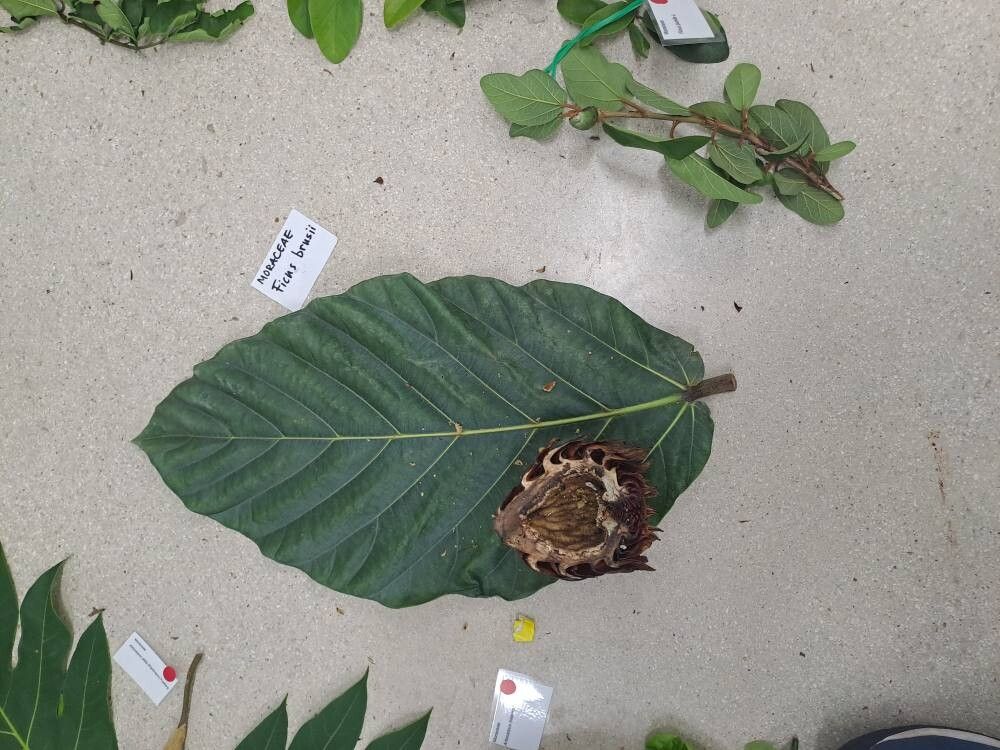
Oh, Ficus brusii! I’ve always had a soft spot for these beauties. Their glossy leaves and elegant growth habit can truly transform a space, bringing a little slice of the tropics right into your home. And the joy of seeing a tiny cutting morph into a thriving plant? It’s incredibly rewarding, a little magic happening right on your windowsill.
If you’re wondering if this is a good plant for beginners to propagate, I’d say it’s moderately easy. It’s not as foolproof as some succulents, but with a little attention to detail, you’ll likely find good success.
The Best Time to Start
When it comes to Ficus brusii, spring and early summer are your golden ticket. This is when the plant is actively growing and has the most energy to put into developing roots. Think of it as giving your cuttings the best possible head start. You can try other times, but you’ll definitely see higher success rates when the natural growth spurt is in full swing.
Supplies You’ll Need
Gathering your essentials makes the whole process smoother. Here’s what I always have on hand:
- Sharp, clean pruning shears or a knife: You want a clean cut to minimize damage.
- Rooting hormone (optional, but recommended): This gives your cuttings a little boost. Look for one that contains IBA (Indole-3-butyric acid).
- Well-draining potting mix: I like a mix of equal parts peat moss or coco coir, perlite, and a little bit of compost.
- Small pots or propagation trays: Clean pots are crucial to prevent disease.
- Clear plastic bags or humidity domes: These create a humid microclimate for your cuttings.
- Watering can or spray bottle: For gentle watering.
- A small trowel or dibber: For making holes in the soil.
Propagation Methods
Let’s get our hands dirty! The most reliable way to propagate Ficus brusii at home is through stem cuttings.
- Selecting Your Cuttings: Look for a healthy, mature stem that isn’t flowering or fruiting. You want a piece that has at least two or three sets of leaves. Cut about 4-6 inches from the tip. Make your cut just below a leaf node (where a leaf attaches to the stem).
- Preparing the Cuttings: Gently remove the lower leaves from your cutting. This is important because any leaves below the soil line will likely rot. If your remaining leaves are very large, you can cut them in half horizontally. This reduces water loss through transpiration.
- Applying Rooting Hormone: Dip the cut end of your stem into the rooting hormone powder. Tap off any excess.
- Planting the Cuttings: Fill your small pots or trays with your well-draining potting mix. Use your trowel or dibber to make a hole wide enough for the cutting’s base. Gently insert the cutting into the hole, ensuring that at least one leaf node is below the soil surface. Firm the soil gently around the stem.
- Creating a Humid Environment: Water your cuttings gently. Then, cover the pots with a clear plastic bag, securing it with a rubber band or placing it over a small frame. Alternatively, use a humidity dome. This traps moisture and creates that crucial humid environment.
The “Secret Sauce” (Pro Tips)
Over the years, I’ve learned a few tricks that make all the difference:
- Don’t let the leaves touch the water if you’re water propagating (or the soil surface if potting). This is a recipe for rot! If you’re doing stem cuttings in water, make sure only the bare stem is submerged. For soil cuttings, trim low-lying leaves.
- Bottom heat is your best friend. If you can, place your pots on a seedling heat mat. This gentle warmth encourages root growth from below, giving your cuttings an extra kickstart. I’ve seen significantly faster rooting when using bottom heat.
- “Milk” is a no-go for Ficus. Many Ficus species exude a milky sap when cut. While some gardeners suggest washing this off, I find it can sometimes hinder rooting. Just let it dry naturally on the cut end before dipping in rooting hormone.
Aftercare & Troubleshooting
Once you’ve got your cuttings nestled into their new homes, patience is key. Keep the soil consistently moist but not soggy. Think of it like a wrung-out sponge. Check the humidity inside the plastic bag or dome regularly – you want condensation, but not so much that it’s dripping constantly.
After several weeks, you should start to see signs of new growth, like tiny leaves or buds. Another good indicator is when you gently tug on the cutting and feel resistance – that means roots have developed.
If you start to see yellowing leaves or mushy stems, that’s usually a sign of rot. This can happen due to overwatering or lack of airflow. If you catch it early, you might be able to salvage the cutting by removing the rotted parts and repotting in fresh, drier soil. Ensure good airflow around your cuttings by occasionally opening the bags.
A Encouraging Closing
Propagating plants is such a beautiful way to connect with nature. It teaches you about patience, observation, and the incredible resilience of life. Don’t be discouraged if your first attempt isn’t perfect. Keep trying, keep learning, and most importantly, enjoy the journey! Soon enough, you’ll have a small Ficus forest to share with friends and family. Happy propagating!
Resource:
https://identify.plantnet.org/k-world-flora/species/Ficus%20brusii%20Weiblen/data