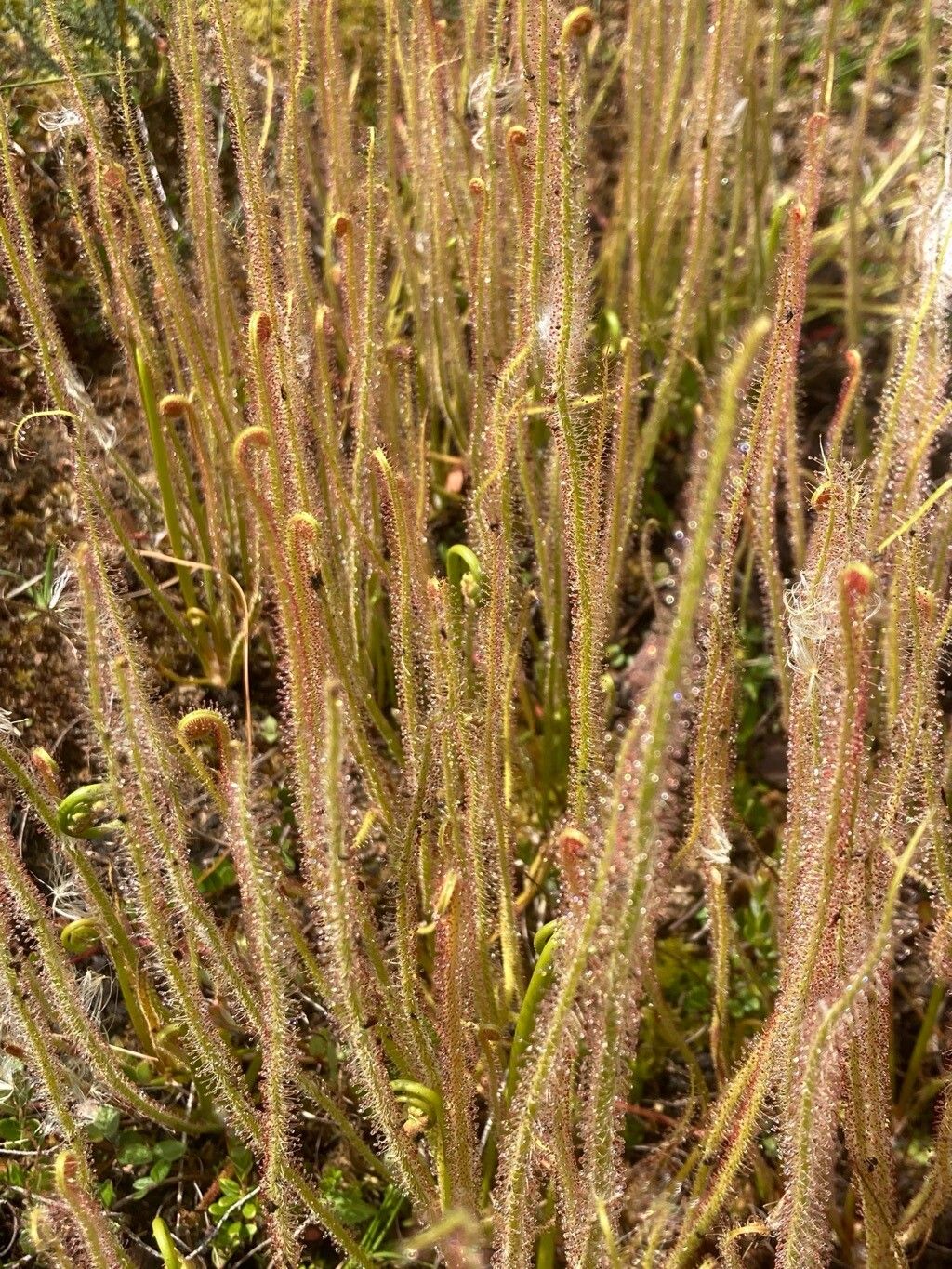
Oh, hello there, fellow plant enthusiast! Pull up a chair and let’s chat about a truly enchanting little marvel in the carnivorous plant world: Drosera filiformis, the thread-leaf sundew. If you’re looking for a plant that’s both a fascinating natural wonder and a joy to multiply, you’ve come to the right place.
Why I Love Propagating Drosera Filiformis
These delicate, wiry plants are like living jewels in the garden. Their sticky tentacles, shimmering with dew, are a dazzling way to catch unsuspecting insects. And the magic doesn’t stop there! Propagating them is incredibly rewarding. Seeing a tiny speck grow into a fully formed sundew feels like coaxing life itself. While some carnivorous plants can be a bit finicky, I find Drosera filiformis to be surprisingly accessible for beginners eager to try their hand at propagation. It’s a fantastic entry point into the world of multiplying these unique beauties.
The Best Time to Start
For Drosera filiformis, the sweet spot is definitely late spring to early summer. This is when the plant is in its most vigorous growth phase. You’ll see lots of new leaves unfurling, and the plant is just bursting with energy. Starting during this active period gives your cuttings or divisions the best chance to establish themselves quickly.
Supplies You’ll Need
Gathering your supplies makes the whole process smoother. Here’s what I always have on hand:
- Sphagnum moss: Long-fibered is best. It’s wonderfully moisture-retentive and airy.
- Peat moss: Unfertilized, pure peat moss.
- Perlite: For added drainage and aeration.
- A good quality carnivorous plant soil mix: Or you can create your own by mixing 1 part sphagnum peat moss with 1 part perlite.
- Sharp, clean scissors or a razor blade: For taking cuttings. Sterilize them with rubbing alcohol before and after each use to prevent disease.
- Small pots or trays: Clean containers to start your new plants in. Make sure they have drainage holes, unless you’re doing water propagation.
- Distilled water, reverse osmosis (RO) water, or rainwater: Tap water is a big no-no for sundews, as the minerals can burn their delicate roots.
- A spray bottle: For misting.
- Optional: A small trowel or tweezers: Useful for handling delicate roots during division.
Propagation Methods That Work Wonders
Drosera filiformis is quite forgiving and can be propagated through a few simple methods. I’ll walk you through my favorites.
Method 1: Leaf Cuttings (My Go-To!)
This is my absolute favorite way to propagate Drosera filiformis. It’s so satisfying to see a whole new plant emerge from a single leaf!
- Select a healthy leaf: Gently choose a vibrant, well-formed leaf from your mature plant.
- Make the cut: Using your sterilized scissors or razor blade, carefully cut the leaf as close to the base as possible.
- Prepare the cutting: You can technically just place the whole leaf down, but I often trim off any excess stem if it’s long.
- Placement is key: Lay the leaf flat on the surface of your prepared carnivorous plant soil mix in a small pot or tray. You want the cut end to be in contact with the soil surface.
- Provide humidity: Cover the pot or tray with a plastic dome or a clear plastic bag to create a humid environment. This is crucial for keeping the leaf from drying out.
- Watering: Keep the soil consistently moist but not waterlogged. I like to use the tray method for this, where a bit of distilled water sits in the tray beneath the pot, allowing the soil to wick up moisture.
- Patience, my friend: In a few weeks, you’ll start to see tiny plantlets forming along the edge or at the base of the leaf. It can take a couple of months for them to develop enough to be carefully transplanted.
Method 2: Division (For a Quick Boost)
If you’ve got a mature, clump-forming Drosera filiformis, division is a wonderful way to get several new plants at once.
- Gently unpot: Carefully remove the entire plant from its pot. Try not to disturb the root ball too much.
- Inspect and separate: Gently tease apart the root ball with your fingers or a clean tool. Look for natural divisions where a clump has started to form its own roots.
- Make clean cuts if needed: If roots are tangled, you might need to use sterile scissors to separate them. Just ensure each division has some healthy roots attached.
- Pot them up: Plant each division into its own pot filled with your carnivorous plant soil mix.
- Water and humidity: Water them in just like you would a mature plant, and consider giving them a bit of extra humidity for the first week or two as they adjust.
The “Secret Sauce” (Pro Tips)
After all these years, I’ve picked up a few little tricks that can make a big difference.
- Don’t let the leaves touch the water (for leaf cuttings): When laying your leaf cuttings flat, it’s tempting to have them submerged in water, but I find they often rot this way. Just having the cut edge in good contact with moist soil is usually enough.
- Bottom heat is your friend: For both methods, providing a little gentle warmth from below can really speed up root formation and growth. A seedling heat mat set to a low temperature (around 70-75°F) can work wonders. You don’t want it too hot, just a gentle nudge.
- Watch the dew: When your new plantlets start forming, you’ll see tiny dew drops appear. This is a great indicator that the plant is healthy and happy, actively growing and producing its sticky traps.
Aftercare & Troubleshooting
Once your new Drosera filiformis plants have developed a decent root system and you see active growth (dew!), it’s time to treat them much like an adult.
- Watering: Continue to use the tray method, keeping their soil consistently moist with distilled, RO, or rainwater. Never let them dry out completely.
- Light: Provide plenty of bright, indirect sunlight. A sunny windowsill or a spot in a greenhouse is ideal. They can handle some direct sun, but watch to make sure they don’t dry out too quickly.
- Humidity: While they like humidity, they don’t need to be kept in a sealed terrarium forever. Normal room humidity is fine once they’re established, though they’ll thrive with a bit more.
Common signs of failure:
- Rot: This is usually a sign of too much stagnant water or poor air circulation. The leaf cutting or plantlet will turn mushy and black. If you see this, discard the affected parts immediately to prevent it spreading. Ensure your soil mix is airy enough.
- Wilting and drying out: This often means not enough water or it’s too hot and dry. Double-check your watering and humidity levels.
Keep Growing!
Don’t be discouraged if your first few tries aren’t perfect. Plant propagation is a journey, and patience is a gardener’s best friend. Enjoy the process of watching these incredible little sundews come to life. Happy growing!
Resource:
https://identify.plantnet.org/k-world-flora/species/Drosera%20filiformis%20Raf./data