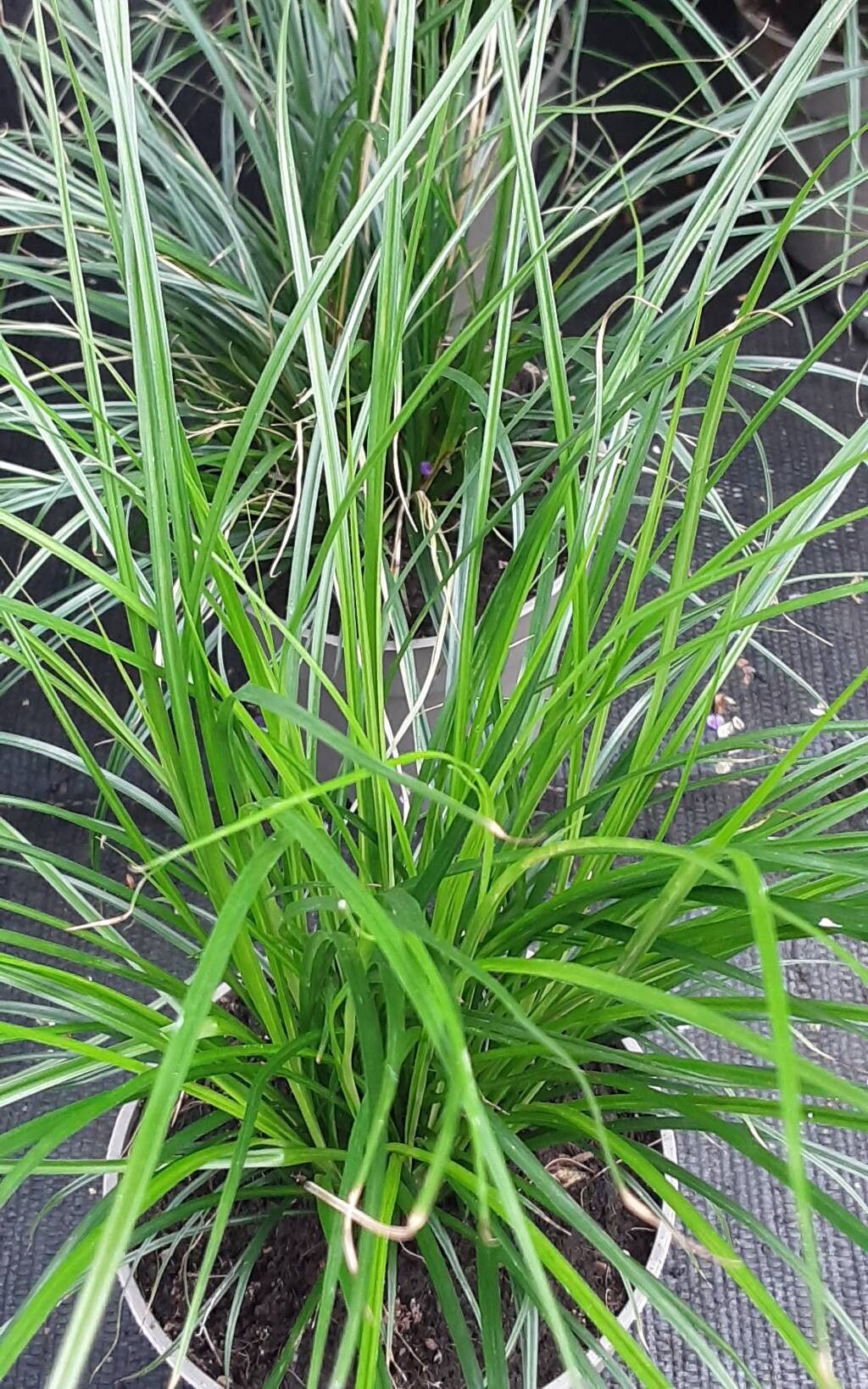
Oh, the elegant sway of Carex brunnea! If you’ve ever admired its graceful, arching foliage, you’re not alone. This lovely sedge brings such texture and movement to a garden, a real breath of fresh air. And the best part? It’s surprisingly simple to multiply! I find propagating Carex brunnea incredibly rewarding, and honestly, it’s a fantastic plant for beginners to get their hands dirty with. You’ll be sharing little pieces of garden magic in no time.
When is the Best Time to Start?
My favorite time to get moving with Carex brunnea propagation is in early spring. As soon as the soil starts to warm up and the plant is showing signs of new growth, you’re golden. This timing gives your new starts plenty of the growing season to establish a strong root system before the heat of summer or the chill of winter sets in. You can also have success in late summer, but spring is my go-to for the most vigorous results.
Your Propagation Toolkit
Here’s what I like to have on hand before I begin:
- Clean, sharp pruning shears or a sharp knife: For making clean cuts.
- Well-draining potting mix: A mix of peat moss, perlite, and a bit of compost works wonders. You can also find specialized sedge or ornamental grass mixes.
- Small pots or seed trays: Make sure they have drainage holes!
- Rooting hormone (optional but helpful): Especially for division, it can give your new plants a little boost.
- Watering can or spray bottle: For gentle watering.
- Labels and a permanent marker: Don’t underestimate the importance of labeling!
- A small spade or trowel: For dividing larger clumps.
Getting Started: My Preferred Methods
For Carex brunnea, I find division to be the most straightforward and successful method. This plant forms nice, dense clumps that are perfect for splitting.
Method: Division
- Gently lift the entire plant from its pot or the ground. If it’s in the ground, dig around the root ball, trying to keep as much soil attached as possible.
- Examine the root ball. You’re looking for where the plant naturally wants to separate. You might see dense root growth that suggests natural breaks.
- Use your hands or a sharp tool to carefully divide the clump. You can gently pull it apart with your hands for smaller divisions. For more stubborn clumps, use your clean pruning shears or a knife to cut through the roots and rhizomes. Each division should have a good amount of healthy roots and some shoots or stems.
- Pot up each division into its own container filled with your well-draining potting mix. Ensure the crown of the plant (where the leaves emerge from the roots) is at or just slightly above the soil surface.
- Water thoroughly to settle the soil around the roots.
While division is my favorite, you can try water propagation for smaller starts, but I find the transition to soil can be a bit trickier.
Method: Water Propagation (with caution)
- Take a small division or a leafy shoot with a few inches of stem. Make a clean cut just below a node (where a leaf attaches to the stem).
- Remove the lower leaves, leaving just a few at the top.
- Place the cutting in a jar or glass of clean water. Make sure the nodes are submerged, but don’t let the leaves touch the water. This is crucial to prevent rot.
- Place the jar in bright, indirect light.
- Change the water every few days to keep it fresh.
- Be patient! Roots can take several weeks to appear. Once the roots are about an inch long, you can try potting them up into soil.
The “Secret Sauce” – Insider Tips
Here are a few things I’ve learned over the years that really make a difference:
- Don’t be afraid to be firm with division. These plants are tough, and a little pressure can actually help you find those natural separation points. If you’re using a knife, make sure it’s razor sharp to minimize damage to the roots.
- Bottom heat is your friend, especially for water propagation. If you’re trying to root cuttings in water or even directly in soil, placing the pot on a gentle heating mat can significantly speed up root development. It mimics the warmth of spring well.
- Rooting hormone isn’t just a suggestion, it’s a confidence booster! Even though Carex brunnea divides easily, dipping the cut ends of your divisions in a good quality rooting hormone can really encourage robust root growth and help prevent issues.
Aftercare and What to Watch For
Once your divisions are potted up, give them a good watering. Keep them in a spot with bright, indirect light for the first week or two. Avoid direct, scorching sun, which can stress newly divided plants. Water them when the top inch of soil feels dry.
You’ll know your new Carex brunnea is settling in when you see new shoot growth. That’s your cue it’s happy!
Now, for the not-so-fun part: troubleshooting. The most common sign of trouble is rot. If the leaves start to turn yellow and mushy, or if the stems collapse, it’s usually a sign of too much moisture and not enough air circulation. Make sure your soil drains well, and don’t overwater. If you’re propagating in water, yellowing leaves are also a sign the plant isn’t getting enough light or the water isn’t being changed often enough.
Keep Growing!
So there you have it – a simple way to bring more of that lovely Carex brunnea charm into your garden. Be patient with the process. Gardening is a journey, and watching a new plant thrive from a small division is incredibly satisfying. Happy propagating!
Resource:
https://identify.plantnet.org/k-world-flora/species/Carex%20brunnea%20Thunb./data