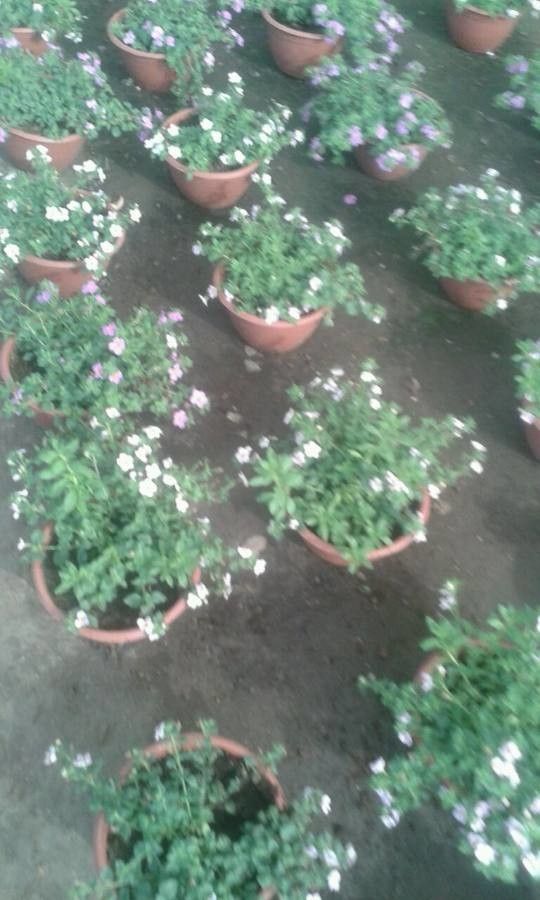
Well hello there! It’s wonderful to have you join me in the garden today. I’m so excited to talk about a plant that truly brightens up any space – Bacopa albida. You know, the one with those lovely, delicate white flowers that seem to spill over the edges of pots or trail down walls? It’s a real showstopper, and the best part? It’s surprisingly easy to get more of for yourself! Propagating Bacopa albida is a truly rewarding process; you get to witness new life emerge from a small piece of an existing plant. I think even if you’re just starting out with your gardening journey, you’ll find this a fun and accessible project.
The Best Time to Start
For the absolute best success rate with your Bacopa albida, I find that late spring through to mid-summer is your golden ticket. This is when the plant is actively growing and has plenty of energy to put into developing new roots. You want to take cuttings from healthy, vigorous stems that haven’t yet flowered. Think of it as borrowing a vibrant, youthful branch.
Supplies You’ll Need
Before we get our hands dirty, let’s gather our goodies. This makes the whole process much smoother:
- Sharp pruning shears or a clean knife: Precision is key for clean cuts.
- Small pots or trays: Anything that can hold soil and provide drainage.
- A good quality potting mix: I like a sterile seed-starting mix or a blend of half potting soil and half perlite. It needs to drain well.
- Rooting hormone (optional but recommended): This little helper can give your cuttings a real boost.
- A mister or spray bottle: For keeping things nice and humid.
- Plastic bags or a propagator lid: To create a mini greenhouse.
- Labels and a marker: So you remember what you’ve planted where!
Propagation Methods
We’ll focus on the most reliable method for Bacopa albida: stem cuttings. It’s wonderfully straightforward.
From Stem Cuttings:
- Select your parent plant: Find a healthy, non-flowering stem on your Bacopa albida.
- Take the cut: Using your sharp shears or knife, make a clean cut just below a leaf node (that little bump where a leaf attaches to the stem). You’re aiming for cuttings that are about 4-6 inches long. Remove any lower leaves from the cutting, leaving just a few at the top.
- Apply rooting hormone (optional): If you’re using it, dip the cut end of the stem into the rooting hormone, tapping off any excess.
- Plant your cuttings: Fill your small pots or trays with your prepared potting mix. Make a small hole in the center of the soil using your finger or a pencil. Gently insert the cut end of your Bacopa cutting into the hole, ensuring the leaf nodes are covered by soil.
- Water gently: Water thoroughly but gently, making sure the soil is evenly moist.
- Create a humid environment: Cover the pots with a plastic bag (make sure the leaves aren’t touching the plastic) or use a propagator lid. This traps moisture and keeps the humidity high, which is crucial for the cuttings to form roots. Place them in a bright spot but out of direct, scorching sunlight.
The “Secret Sauce” (Pro Tips)
Now, here are a few little tricks I’ve picked up over the years that can make a world of difference:
- My top tip is to ensure the leaves never touch the water if you’re doing a water propagation method (though I strongly favor soil for Bacopa). In soil, this means making sure no leaves are buried deep in the moist potting mix, as they can rot before roots even have a chance to form.
- If you have the space and the inclination, bottom heat can really speed things up. Placing your pots on a heat mat designed for seedlings provides a gentle warmth that encourages root development from below. It’s like a warm hug for your cuttings!
- Don’t be tempted to overwater. While humidity is key, soggy soil is the enemy. You want the soil to be consistently moist but not waterlogged.
Aftercare & Troubleshooting
Once you start seeing new growth on your cuttings, it’s a good sign that roots are forming! You might start to see tiny new leaves appearing. At this point, you can gradually acclimatize them to less humid conditions by opening the plastic bag for a few hours each day, slowly increasing the time.
What do you do if things go wrong? The most common issue is rot. If your cuttings turn black or mushy, sadly, they’re lost. This is usually due to overwatering or poor air circulation. If you see this happening, remove the affected cutting immediately to prevent it from spreading to others. Sometimes, a cutting just doesn’t take. Don’t be discouraged! Gardening is all about trial and error, and patience is your best friend.
A Encouraging Closing
So there you have it! Propagating Bacopa albida is a simple pleasure. It takes a little time and a watchful eye, but the reward of creating new plants from your favorite ones is truly special. Be patient with your little cuttings, offer them a good environment, and enjoy watching them grow. Happy propagating!
Resource:
https://identify.plantnet.org/k-world-flora/species/Bacopa%20albida%20(Pennell)%20Standl./data