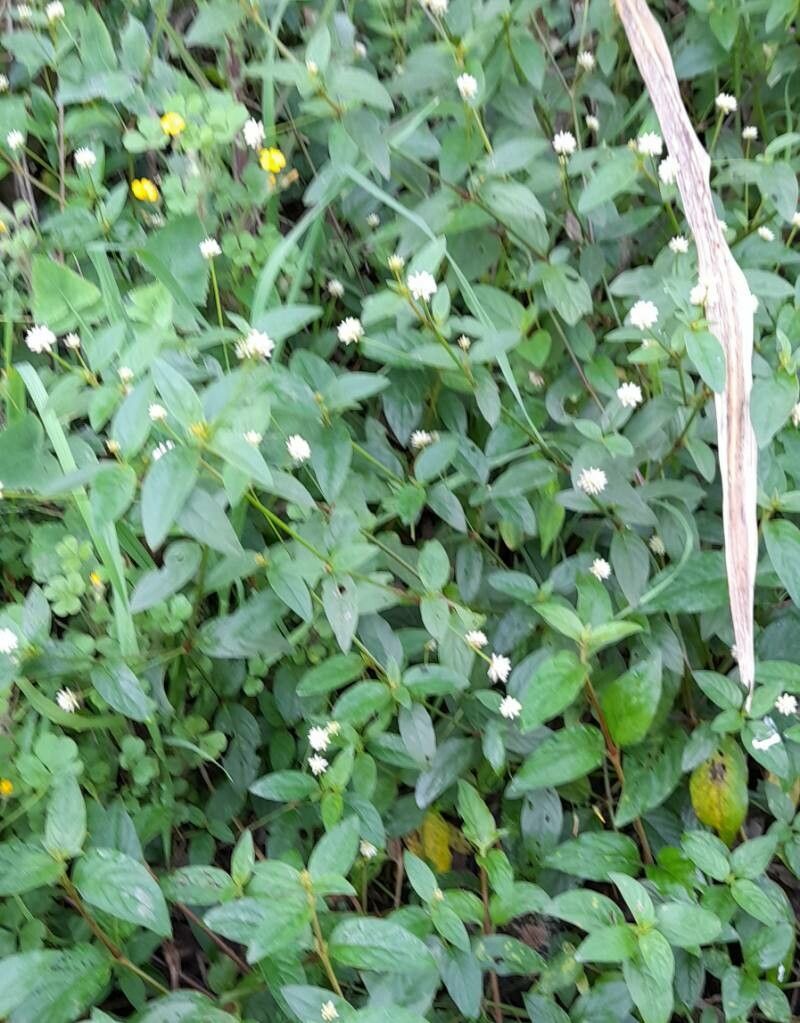
Hello, fellow garden lovers! Today, we’re going to dive into the wonderful world of propagating Alternanthera micrantha. If you’re like me, you probably adore this plant for its vibrant foliage and the splash of color it brings to any garden or container. Whether it’s a deep burgundy, a fiery red, or a bright lime green, Alternanthera micrantha is a real showstopper. And the best part? It’s surprisingly easy to multiply! Get ready to fill your garden with even more of this beauty. For beginners, this is a fantastic plant to start with; the success rate is wonderfully high.
The Best Time to Start
For the most success with your Alternanthera micrantha propagation, aim for late spring or early summer. This is when the plant is in its most vigorous growth phase. The days are longer, the temperatures are warm, and the new growth is tender and full of life, making it ideal for rooting. You can also have success with cuttings taken in early autumn, provided you can offer protection from frost.
Supplies You’ll Need
Here’s what you’ll want to have on hand before you get started:
- Sharp pruning shears or a clean knife: For taking clean cuts.
- Rooting hormone (optional but recommended): A powder or gel that encourages faster root development.
- Well-draining potting mix: A good blend of peat moss, perlite, and vermiculite works wonders. You can also use a seed-starting mix.
- Small pots or seedling trays: Clean and with drainage holes.
- Plastic bags or a propagator: To maintain humidity around your cuttings.
- Watering can or spray bottle: For gentle watering.
- A warm, bright location: Out of direct, harsh sunlight.
Propagation Methods
Alternanthera micrantha is a dream to propagate, primarily through stem cuttings.
-
Taking the Cuttings: Select a healthy, non-flowering stem from your parent plant. Using your sharp shears or knife, make a clean cut just below a leaf node (where the leaf attaches to the stem). Aim for cuttings that are about 4-6 inches long. Remove the leaves from the bottom half of the cutting. You can leave a couple of leaves at the top to help with photosynthesis.
-
The Rooting Hormone Dip (Optional but helpful): If you’re using rooting hormone, dip the cut end of the stem into it. Tap off any excess powder. This step isn’t strictly necessary, as Alternanthera roots quite readily, but it can give your cuttings a little boost.
-
Planting the Cuttings: Fill your small pots or seedling trays with your well-draining potting mix. Make a small hole in the center of each pot and gently insert the cut end of your Alternanthera cutting. Firm the soil gently around the stem.
-
Water Propagation (An Alternative): You can also try simply placing your prepared cuttings in a jar of water. Ensure that the leaf nodes where you removed the leaves are submerged, but try to keep the leaves themselves out of the water to prevent rot. Place the jar in a bright spot and change the water every few days. Roots should appear within a couple of weeks!
The “Secret Sauce” (Pro Tips)
- Don’t be afraid to take plenty of cuttings. The more you take, the better your chances of success, and you’ll end up with more plants to share!
- The magic of humidity is real. Once your cuttings are in their pots, cover them with a clear plastic bag or place the pot inside a propagator. This creates a mini-greenhouse effect, keeping the humidity high, which is crucial for preventing the cuttings from drying out before they can root. Poke a few small holes in the bag if you’re worried about too much condensation.
- Bottom heat is your friend. If you have a seedling heat mat, placing your pots on it can significantly speed up the rooting process. It mimics the warm soil conditions of summer and encourages those roots to start exploring.
Aftercare & Troubleshooting
Once you see signs of new growth or feel resistance when gently tugging on the cutting (indicating root formation), your Alternanthera is on its way! You can gradually acclimate your cuttings to lower humidity by opening the plastic bag a little more each day over a week. Water them gently, ensuring the soil stays consistently moist but not waterlogged.
The main issue you might encounter is rot. This usually happens if the cuttings are kept too wet or in conditions with poor air circulation. If you see a cutting turning black and mushy, unfortunately, it’s best to discard it to prevent it from spreading. Ensure good drainage and don’t overwater.
A Little Patience Goes a Long Way
Propagating plants is one of the most rewarding gardening activities. It’s a chance to witness new life emerge, and it’s wonderfully economical too! Be patient with your Alternanthera micrantha cuttings. Some will root faster than others, and that’s perfectly normal. Keep them consistently watered and in a warm, bright spot, and soon you’ll have a whole new collection of these cheerful plants. Happy propagating!
Resource:
https://identify.plantnet.org/k-world-flora/species/Alternanthera%20micrantha%20R.E.Fr./data