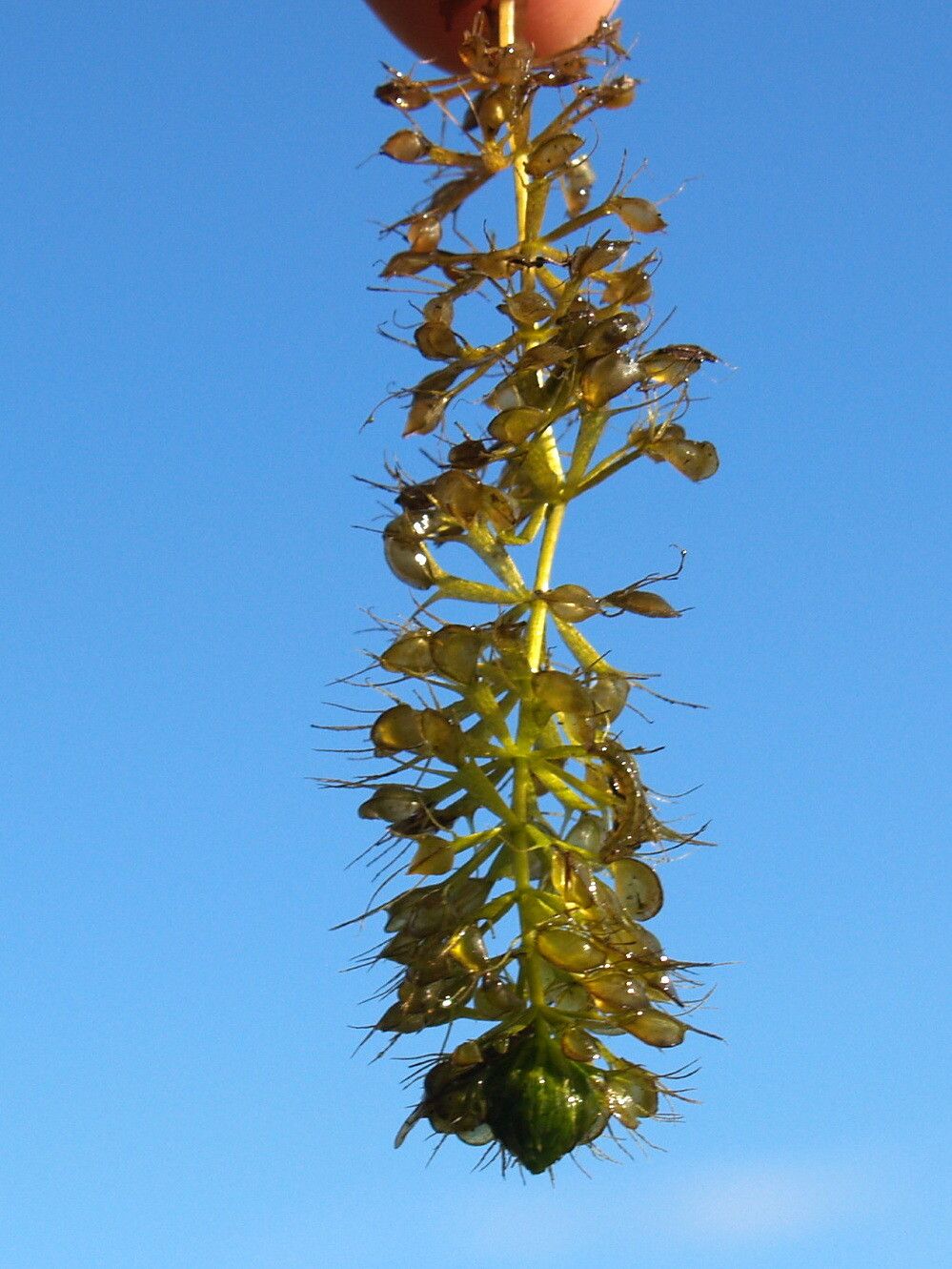
Hello fellow plant enthusiasts! Today, we’re diving into the fascinating world of Aldrovanda vesiculosa, also known as the waterwheel plant. If you’re looking for a unique and engaging plant to add to your collection, this is it. It’s a carnivorous aquatic plant, which immediately sets it apart, and watching its tiny traps snap shut is truly a marvel. Propagating Aldrovanda is a very rewarding experience, though I’ll be honest, it’s not quite a “stick it in the ground and forget it” kind of plant. It requires a bit of attention, but with a little guidance, you’ll be successful!
When Should You Get Started?
The best time to propagate Aldrovanda vesiculosa is during its active growing season. Think spring and summer when the days are longer and warmer. This is when the plant is putting on new growth, making it more robust and receptive to propagation. Trying to do this when the plant is dormant or stressed just won’t yield the results you’re hoping for.
What You’ll Need for Success
Gathering your supplies beforehand makes the process so much smoother. Here’s what you’ll want to have on hand:
- Clean, sharp pruning shears or scissors: For making clean cuts.
- Distilled or rainwater: Crucial! Tap water can contain minerals that harm these sensitive plants.
- A clean container or pot: Glass jars or small plastic containers work wonderfully.
- A small fishing net or fine-mesh sieve: For handling delicate plantlets.
- Patience! Always the most important ingredient.
Bringing New Waterwheels to Life: Propagation Methods
There are a couple of reliable ways to propagate Aldrovanda. I find the stem cutting method to be the most straightforward and effective.
Stem Cuttings:
- Find a healthy stem: Look for a mature Aldrovanda plant with good growth. You want to find a section of stem that has at least 2-3 active traps.
- Make the cut: Using your clean, sharp shears, carefully cut the stem just below a node (where a leaf whorl emerges). Aim for a cutting about 1-2 inches long.
- Prepare the cutting: Gently remove any traps that are very close to the cut end. This helps the cutting focus its energy on rooting rather than maintaining those traps initially.
- Place in water: Submerge the cutting in your clean distilled or rainwater. Make sure the entire stem and at least one whorl of traps are underwater.
- Find a good spot: Place the container in a bright location, but avoid direct, harsh sunlight. Indirect light is perfect.
The “Secret Sauce” (Pro Tips from My Garden Bench)
After years of tinkering, I’ve learned a few things that can really boost your success rate:
- Oxygen is key! Aldrovanda needs good water circulation. In a small propagation container, it can be helpful to gently swirl the water every couple of days or even use an airstone if you’re feeling ambitious, just like you would for fish. This replenishes oxygen and prevents stagnation.
- Don’t overcrowd: When you have multiple cuttings in one container, give them space! Overcrowding leads to competition for nutrients and can increase the risk of rot. Start with just a few cuttings per container.
- Observe those traps: If the traps on your cuttings aren’t opening or closing, don’t panic. Newly propagated pieces are often stressed. As long as the stem looks healthy and new leaves are forming, the traps will recover once the plant establishes itself.
What Happens Next: Aftercare and Troubleshooting
Once you start seeing new growth on your cuttings – usually tiny new leaves emerging – that’s a great sign! It means roots are developing beneath the water.
- Keep the water clean: As soon as you see roots and new growth, it’s a good idea to gently change out the water if it looks cloudy.
- Gradual introduction: If you’re moving your new Aldrovanda to a larger setup or aquarium, do it gradually. Don’t shock it with a sudden change in water parameters or light.
The most common issue you might encounter is rot. If a cutting turns black or mushy, unfortunately, it’s likely not going to make it. This is usually due to stagnant water, lack of oxygen, or imbalanced water chemistry (if you’re using tap water, for instance). Don’t be discouraged if a few don’t make it; it’s all part of learning!
Propagating Aldrovanda vesiculosa is a journey. It might take a little patience, a watchful eye, and perhaps a few tries, but seeing those little waterwheels thrive and knowing you helped them grow is incredibly satisfying. Enjoy the process, and happy gardening!
Resource:
https://identify.plantnet.org/k-world-flora/species/Aldrovanda%20vesiculosa%20L./data