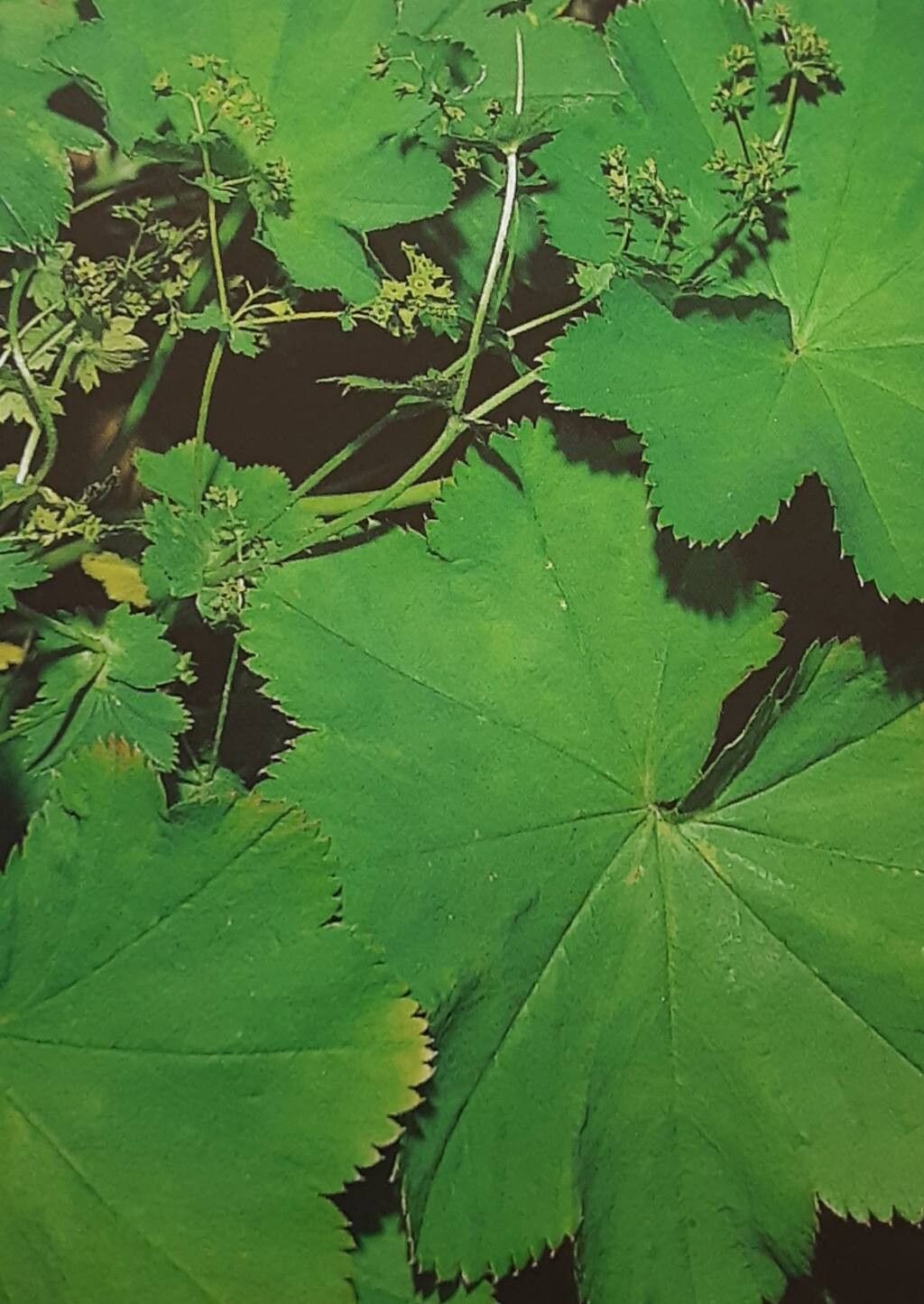
Hello, fellow plant lovers! Today, we’re diving into the wonderful world of Alchemilla heteropoda, often called Lady’s Mantle. If you love those frothy, lime-green blooms and the way water droplets cling to its fuzzy leaves like tiny jewels, you’re in for a treat. Propagating this beauty is incredibly rewarding, and honestly, it’s a fantastic plant for beginners to try their hand at. You’ll be amazed at how easily you can multiply your garden’s charm!
The Best Time to Start
For Alchemilla heteropoda, spring is generally your golden ticket. As the plant wakes up after winter and starts putting on new growth, that’s the prime time to harvest your cuttings. Late spring or very early summer also works, as long as you’re not in the peak of summer heat. Waiting for those first new shoots to emerge makes all the difference.
Supplies You’ll Need
Gathering your supplies beforehand makes the whole process smoother. Here’s what I usually have on hand:
- Sharp, clean pruning shears or a sharp knife: Essential for making clean cuts.
- A well-draining potting mix: I often use a 50/50 blend of peat moss and perlite, or a good seed-starting mix.
- Small pots or trays: Clean ones are important to prevent disease.
- Rooting hormone (optional but recommended): This gives young cuttings a helpful boost.
- Plastic bags or a propagation dome: To create a humid environment for the cuttings.
- Water: For misting and watering.
Propagation Methods
There are a couple of simple ways to get more Alchemilla heteropoda for your garden. My favorite is stem cuttings, but division is also super effective in the spring.
Stem Cuttings:
- Take your cuttings: In spring, after the plant has put on about 2-3 inches of new growth, use your clean shears to take stem cuttings just below a leaf node (where the leaf meets the stem). Aim for pieces that are about 4-6 inches long.
- Prepare the cuttings: Gently remove the lower leaves from the bottom half of the stem. You want to expose at least one or two leaf nodes that will be buried in the soil.
- Apply rooting hormone (optional): Dip the cut end of the stem into your rooting hormone powder or gel. Tap off any excess.
- Plant the cuttings: Fill your small pots with your prepared potting mix. Make a small hole with your finger or a pencil and gently insert the cut end of the Alchemilla cutting. Firm the soil gently around it.
- Water and cover: Water the soil lightly. Then, cover the pot with a plastic bag or place it under a propagation dome to maintain humidity. Make sure the leaves aren’t touching the plastic if possible.
Division:
This is arguably even easier if you want a larger plant right away.
- Dig up the plant: In early spring, carefully dig up your existing Alchemilla plant.
- Separate the roots: Gently pull or use a sharp spade to divide the root ball into smaller sections. Each section should have some healthy roots and at least a few shoots.
- Replant: Dig new holes in your garden or containers and replant the divisions. Water them in well.
The “Secret Sauce” (Pro Tips)
Here are a few things I’ve learned over the years that really help:
- Don’t let the leaves touch the soil directly in pots: If part of a leaf is sitting on wet soil, it’s an open invitation for rot. Trim off any lower leaves that might do this.
- Bottom heat is your friend: If you have a heated propagator or can place your pots on a heating mat set to a low temperature (around 70-75°F), it significantly speeds up root development. It gives those little roots a cozy place to get going!
- Don’t be afraid to make mistakes: Sometimes a cutting just won’t take. It happens! Don’t get discouraged. The best gardeners learn from every experience. Just try again with another one.
Aftercare & Troubleshooting
Once your cuttings have started to root (you’ll know by seeing new leaf growth or gently tugging on a cutting to feel resistance), it’s time to slowly acclimate them to drier air. Gradually open the plastic bag or dome over a week or two. Keep the soil consistently moist but not waterlogged.
The biggest issue you might encounter is rot. If you see your cuttings turning mushy or black, it’s usually a sign of too much moisture and not enough air circulation. Make sure your soil drains well and consider taking cuttings from healthier parent plants next time. Avoid overwatering!
A Encouraging Closing
Propagating Alchemilla heteropoda is such a satisfying way to fill your garden with more of that delightful texture and bloom. Be patient with your new little plants; they’re doing their best to grow! Enjoy the process, watch them take root, and soon you’ll have even more of this charming Lady’s Mantle to share and enjoy. Happy gardening!
Resource:
https://identify.plantnet.org/k-world-flora/species/Alchemilla%20heteropoda%20Buser/data