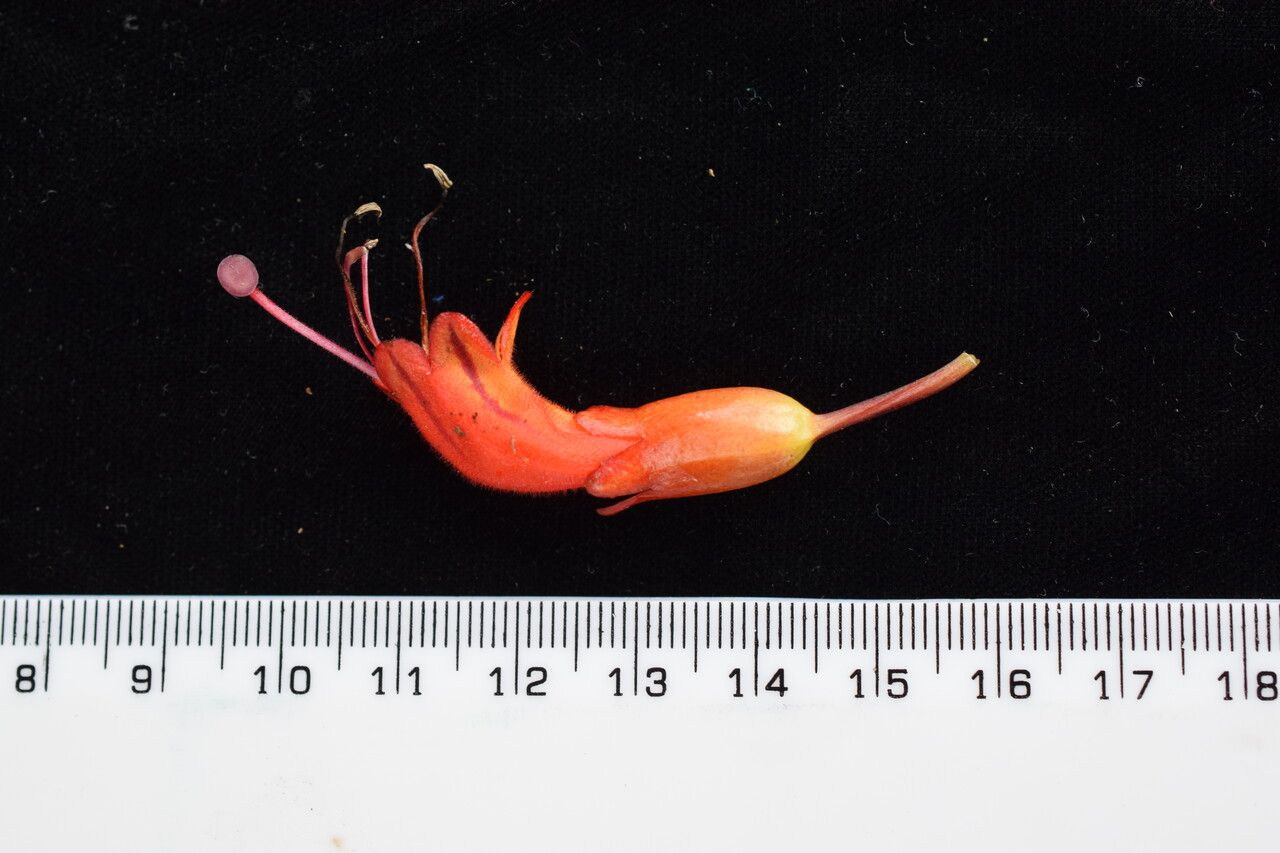
Oh, hello there! So, you’ve found yourself drawn to the gorgeous Aeschynanthus hookeri, haven’t you? I totally get it. Those vibrant, trumpet-shaped blooms and cascading vines are just pure magic. Bringing more of that beauty into your home by propagating them yourself? That’s incredibly rewarding, and honestly, it’s not as daunting as you might think. For many, Aeschynanthus hookeri is a wonderfully beginner-friendly plant to try propagating. We’ll get you there!
The Best Time to Start
When it comes to getting the best results, spring and early summer are your golden ticket. This is when the plant is usually in its most active growth phase. You’ll be able to find nice, healthy stems that are more likely to root successfully. It’s like they’re just buzzing with energy, ready to become new plants!
Supplies You’ll Need
Gathering your tools beforehand makes the whole process much smoother. Here’s what I usually have on hand:
- Sharp, clean pruning shears or a knife: For making clean cuts on your stems.
- Rooting hormone (optional but recommended): Not mandatory, but it can give your cuttings a nice boost. I prefer a powder or gel.
- Small pots or a seed tray: For housing your new cuttings. Make sure they have drainage holes!
- A well-draining potting mix: A good blend for me is typically equal parts perlite, peat moss, and a bit of compost. You can also find specialized seedling or succulent mixes that work well.
- Watering can or spray bottle: For gentle watering.
- Clear plastic bag or propagation dome: To create a humid environment.
Propagation Methods
There are a couple of ways to go about this, and I find stem cuttings to be the most successful for Aeschynanthus hookeri.
Stem Cuttings
- Select a healthy stem: Look for a piece that’s about 4-6 inches long and doesn’t have any flowers. It should be firm, not woody or too soft.
- Make the cut: Using your clean shears or knife, make a clean cut just below a leaf node. A leaf node is where a leaf attaches to the stem – this is where the magic of rooting happens!
- Remove lower leaves: Gently strip off the leaves from the bottom half of your cutting. We want to avoid any leaves falling into the soil or water, as they can rot.
- Apply rooting hormone (if using): Dip the cut end into your rooting hormone, tap off any excess.
- Pot them up: Fill your small pots with your prepared potting mix. Make a small hole with your finger or a pencil and insert the cut end of the stem. Gently firm the soil around it.
- Water gently: Water thoroughly until you see water draining from the bottom.
- Create humidity: Place a clear plastic bag loosely over the pot, or use a propagation dome. This traps moisture, which is crucial for rooting. You can prop the bag up with a couple of stakes if needed, so it doesn’t touch the leaves.
Water Propagation (A Variation)
Sometimes, I like to start a few cuttings in water first, especially if I’m feeling a bit impatient!
- Prepare your cutting: Follow steps 1-3 above, but don’t worry about the rooting hormone for this method.
- Place in water: Put the cutting in a clean jar or glass filled with room-temperature water.
- Ensure no leaves are submerged: This is really important! Make absolutely sure no leaves are touching the water. Trim them off if necessary. Submerged leaves will rot and can kill your cutting before it even gets a chance to root.
- Location: Place the jar in bright, indirect light.
- Change water regularly: Refresh the water every few days to keep it clean and oxygenated.
- Transplant when rooted: Once you see plump little roots developing (usually after a few weeks), you can transplant them into your potting mix, following steps 5-7 from the stem cutting method.
The “Secret Sauce” (Pro Tips)
Here are a few little tricks I’ve picked up over the years that always seem to help:
- Bottom heat works wonders: If you have a seedling heat mat, place your pots on it. This gentle warmth encourages root development from below, often giving you faster results. It’s like a cozy foot spa for your cuttings!
- Don’t be afraid to mist: While the humidity from the plastic bag or dome is great, I often give the foliage a light misting with water every day or two. This helps keep the leaves from drying out while they’re trying to establish roots.
- Patience with the process: Some cuttings will root faster than others. Don’t get discouraged if one looks a bit sadder than its neighbor. Keep providing the right conditions, and you might be pleasantly surprised.
Aftercare & Troubleshooting
Once you see new leaf growth or feel a gentle tug when you lightly pull on the cutting, congratulations! That means roots have formed.
- Acclimate slowly: Gradually introduce your new plant to normal room conditions. Start by removing the plastic bag or dome for an hour or so each day, slowly increasing the time until it’s no longer needed.
- Water as needed: Water your new plant when the top inch of soil feels dry. They still appreciate consistent moisture but don’t like to be waterlogged.
- Watch for rot: The most common issue is rot, which often happens if the cuttings are kept too wet or if leaves sit in water. If you notice mushy, black stems or leaves, unfortunately, that cutting is likely lost. Pull it out and check the others. Having good drainage and not overwatering are key to avoiding this.
A Gentle Encouragement
Propagating plants is such a fulfilling journey. It teaches you so much about patience and the amazing resilience of nature. Don’t get discouraged if your first few tries aren’t perfect. Each attempt is a learning experience! Just enjoy the process, celebrate the little victories, and before you know it, you’ll have a whole new collection of gorgeous Aeschynanthus hookeri to admire. Happy propagating!
Resource:
https://identify.plantnet.org/k-world-flora/species/Aeschynanthus%20hookeri%20C.B.Clarke/data