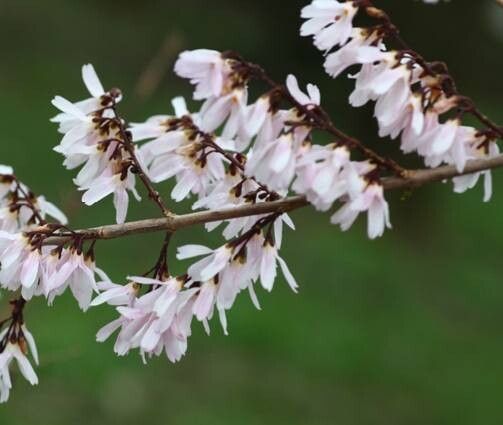
Hey there, fellow garden enthusiasts! It’s so lovely to connect with you today. I’ve got a plant I’m absolutely thrilled to talk about – Abeliophyllum distichum, also known as Korean early spring phlox. If you’re looking for a shrub that bursts into bloom before anything else, offering a delightful, sweet fragrance and a delicate cascade of white flowers, you’ve found it. It’s truly a breath of fresh air in the late winter garden.
Now, I know you might be wondering about tackling propagation. Is it a walk in the park or a bit of a steep climb? I’d say for Abeliophyllum distichum, it’s definitely on the easier side, especially for those of you who are just dipping your toes into the world of taking cuttings. The rewards of creating new plants from an existing one are immense, and seeing those tiny roots develop is just pure garden joy.
The Best Time to Start
For the highest chance of success with your Abeliophyllum distichum propagation, I always lean towards late spring or early summer. We’re looking for what we call softwood cuttings during this time. The new growth will have started to firm up a bit, but it’s not yet woody and hard. Think of it as being firm enough to hold its shape, but still flexible and full of life. This is when the plant is actively growing, and its energy is focused on producing new shoots.
Supplies You’ll Need
Gathering your tools before you begin makes the whole process so much smoother. Here’s what I usually have on hand:
- Sharp Pruning Shears or a Craft Knife: Clean cuts are essential, so make sure your tools are sterilized.
- Rooting Hormone: Not strictly necessary for Abeliophyllum distichum, but a little dip can certainly give your cuttings a boost. I prefer a powdered or gel form.
- Small Pots or Seed Starting Trays: Make sure they have good drainage holes.
- Propagating Mix: A light, airy blend is perfect. I like to use a 50/50 mix of perlite and peat moss or a good quality seed starting mix. You can also amend regular potting soil with perlite to improve drainage.
- Plastic Bags or a Humidifier Dome: This helps create that crucial humid environment for your cuttings.
- Water in a Spray Bottle: For misting.
- Labels and a Marker: To keep track of what you’ve planted and when.
Propagation Methods
I find that stem cuttings are the most reliable and readily available method for propagating Abeliophyllum distichum.
Taking Stem Cuttings:
- Select Your Cuttings: Gently look for healthy, non-flowering stems on your parent plant. You want sections that are about 4-6 inches long.
- Make the Cut: Using your clean pruning shears or knife, make a clean cut just below a leaf node. This is the point where a leaf attaches to the stem. These nodes are packed with hormones that encourage rooting.
- Prepare the Cutting: Remove the lower leaves from the cutting, leaving just 2-3 leaves at the top. This prevents them from rotting in the soil. If the remaining leaves are very large, you can even snip them in half to reduce water loss.
- Apply Rooting Hormone (Optional): If you’re using rooting hormone, dip the cut end of the stem into the powder or gel, tapping off any excess.
- Plant Your Cuttings: Fill your pots with the propagating mix. Make a small hole in the center with your finger or a pencil. Gently insert the cut end of the stem into the hole and firm the soil around it. Aim for about 2-3 cuttings per pot, spaced a few inches apart.
- Water Gently: Water the soil thoroughly but gently. You don’t want to disturb the cuttings.
Water Propagation (Less Common, but Possible):
While I prefer soil for Abeliophyllum distichum, you can sometimes get them to root in water.
- Follow steps 1-3 above.
- Place the cuttings in a jar or glass of clean water, ensuring that the leaf nodes are submerged but no leaves are touching the water.
- Change the water every few days to keep it fresh and prevent bacterial growth.
- Once you see small white roots developing (this can take a few weeks), carefully transplant them into your propagating mix.
The “Secret Sauce” (Pro Tips)
Here are a couple of my tried-and-true secrets that really make a difference:
- Keep it Humid, but Ventilate: Those cuttings need a humid environment to prevent drying out. I like to slip a clear plastic bag over my pots, creating a mini-greenhouse. However, open the bag daily for a few minutes to allow for air circulation. This prevents fungal diseases from setting in. You can also use a plastic dome if you have one.
- Don’t Be Afraid of a Little Heat: While Abeliophyllum distichum isn’t terribly fussy, bottom heat can really speed up the rooting process. Placing your pots on a propagation mat or even on top of your refrigerator (if it generates a little warmth) can provide that gentle boost. It encourages those roots to start working!
Aftercare & Troubleshooting
Once your cuttings have been planted, the waiting game begins!
- Misting is Key: Keep the surface of the soil consistently moist but not waterlogged. I like to mist the cuttings and the inside of the plastic bag/dome every day or two.
- Patience is a Virtue: You’re looking for signs of new growth – tiny leaves emerging from the top – which is a good indicator that roots are developing. This can take anywhere from 4 to 8 weeks, sometimes longer. You can also give a gentle tug on a cutting; if there’s resistance, it means roots have formed.
- Watch for Rot: The most common issue is rot. If you see stems turning black and mushy, or a slimy film on the soil surface, it’s usually a sign of too much moisture and not enough air. Discard any affected cuttings and try to improve ventilation. Ensure your soil mix drains well.
A Little Encouragement
So there you have it! Propagating Abeliophyllum distichum is a wonderful way to expand your collection or share these beautiful early bloomers with friends. Don’t get discouraged if your first attempt isn’t a complete success. Every garden journey has its learning curves. Just remember to be patient, embrace the process, and enjoy the magic of growing something new from a tiny cutting. Happy propagating!
Resource:
https://identify.plantnet.org/k-world-flora/species/Abeliophyllum%20distichum%20Nakai/data