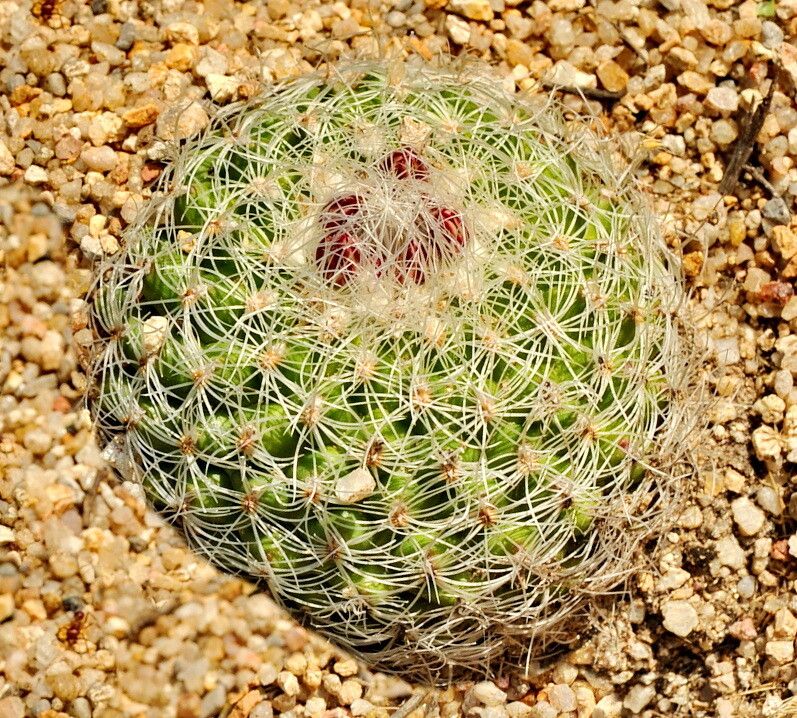
From Tiny Seedling to Star: Propagating Your Own Turbinicarpus saueri
Oh, Turbinicarpus saueri! Isn’t it a marvel? Those intricate tubercles, the delicate, starry flowers that can surprise you with their vibrancy – it’s a cactus that truly captures the imagination. For me, the joy of propagating these little gems is immense. It’s like unlocking a secret, watching a tiny piece of your beloved plant blossom into its own unique entity. For beginners, I’ll be honest, T. saueri can be a little bit of a tease. It’s not as straightforward as some of those robust succulents, but with a little care and attention, it’s absolutely achievable, and oh so rewarding!
When the Garden Whispers “Grow!”
The absolute best time to get your hands dirty with Turbinicarpus saueri propagation is during its active growing season. Think late spring through summer. This is when the plant has the energy reserves to push out new roots and establish itself. Trying to propagate when it’s dormant, say in the dead of winter, is like asking a sleepy bear to run a marathon – it’s just not going to happen!
Gather Your Garden Arsenal
Before you dive in, let’s make sure you have everything you need. Having your supplies ready makes the whole process so much smoother.
- Sharp, clean pruning shears or a very sharp knife: For making clean cuts, essential for preventing disease.
- A well-draining cactus/succulent soil mix: You can buy this pre-made or create your own with equal parts potting soil, perlite, and coarse sand.
- Rooting hormone (optional but recommended): A little sprinkle can give your cuttings a significant boost.
- Small pots or trays with drainage holes: For your new babies to get settled.
- A light misting bottle: For gentle watering.
- A small trowel or spoon: For handling soil.
- Patience! This is arguably the most important tool.
Bringing New Life into the World: Propagation Steps
Turbinicarpus saueri is most commonly propagated by offsets or small offsets that grow from the base of the parent plant. It’s like watching the plant playfully make little clones of itself!
Method: Offset Division
- Inspect your mature T. saueri: Look for those adorable little shoots, called offsets, growing at the base of the main plant. They usually appear where the tubercles meet the soil.
- Gently expose the offset: Carefully brush away some of the soil around the base of the offset. You’re looking for where it’s attached to the mother plant.
- Make the clean cut: Using your sterilized pruning shears or knife, carefully sever the offset from the parent plant. Try to make a clean cut as close to the base as possible, while also ensuring the offset has a tiny bit of its own root connection if possible. If it comes away clean, that’s perfectly fine too!
- Let it callus: This is crucial! Place the separated offset in a dry, well-ventilated spot away from direct sunlight for 2-3 days. This allows the cut end to dry out and form a callus. This step prevents rot when you plant it.
- Plant your new baby: Fill a small pot with your well-draining cactus mix. Make a small well in the center and gently place the callused offset into the soil. You want the base of the offset to be nestled securely, but don’t bury it too deeply.
- The first drink (or rather, a sip!): Do not water immediately. Wait for another 2-3 days after planting. Then, give it a very light misting around the base of the offset. Overwatering at this stage is a fast track to disaster!
The “Secret Sauce” from My Garden to Yours
I’ve learned a few tricks over the years that really make a difference with these fussy little guys.
- The “Barely Touching” Rule: When you water your newly planted offsets, whether by misting or very careful watering from the bottom, ensure no part of the offset is sitting directly in water. Good air circulation around the base is key to preventing rot.
- A Gentle Warmth: A little bit of bottom heat can be a game-changer. Placing your pots on a seedling heat mat set to a low temperature (around 70-75°F or 21-24°C) can encourage root development without cooking your tiny plants. This mimics the warm embrace of the soil in its natural habitat.
- Observe, Don’t Over-interfere: Resist the urge to constantly poke and prod your new offsets. They need time and undisturbed peace to start their root-building journey. Trust the process.
Aftercare and What to Watch For
Once your offset has been planted and you’ve given it that initial gentle drink, the real waiting game begins.
Caring for Your New Arrival:
- Light: Place your new offsets in a bright, indirect light location. Avoid harsh, direct sun, which can scorch their tender tissues.
- Watering: This is where you need to be patient! Water very sparingly for the first few weeks. Allow the soil to dry out completely between waterings. A light misting around the base is often enough. You’ll know roots are forming when the offset looks a little plumper and feels more secure within the soil.
- Patience is Paramount: It can take several weeks, sometimes even a couple of months, for root development to become established. Don’t despair if you don’t see immediate growth!
Troubleshooting – Signs of Trouble:
The most common villain here is rot. Signs of rot include:
- A mushy, discolored base: If the offset feels soft and looks dark or translucent at its base, it’s likely rotting.
- Wilting and collapsing: Despite your best efforts, if it starts to shrivel and fall over.
If you suspect rot, act quickly. Try to remove the affected offset immediately. You might be able to salvage a healthy section and let it callus and try again, but often, it means starting anew. Overwatering is almost always the culprit.
Keep Growing, Keep Blooming!
Propagating Turbinicarpus saueri might demand a bit more finesse than some of our gardening friends, but the thrill of success is so worth it. Each new plant is a testament to your care and observation. Be patient, embrace the learning curve, and most importantly, enjoy the wonderful journey of bringing more of these captivating cacti into your world. Happy propagating!
Resource: