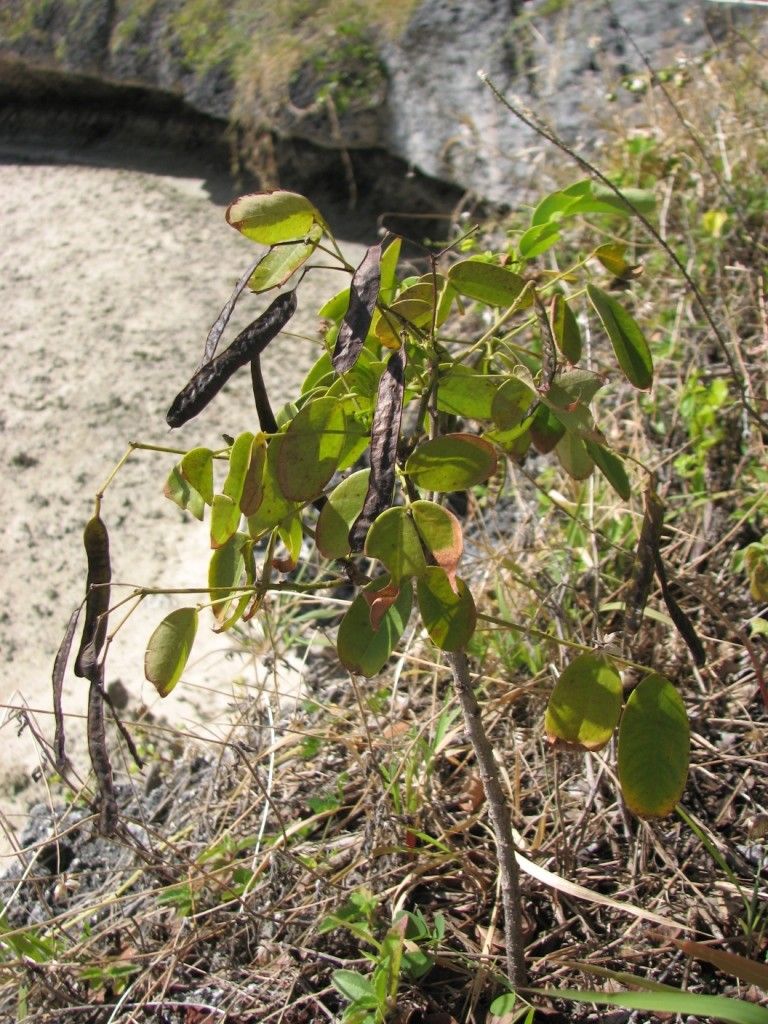
Oh, hello there! Grab a mug of your favorite brew, because we’re going to talk about one of my absolute favorites: Senna gaudichaudii. Isn’t she a beauty? With those bright yellow blooms that just sing sunshine, and that lovely, airy foliage, she brings such a cheerful, tropical vibe to any garden or even brings a touch of the exotic indoors.
Propagating this stunner is such a rewarding endeavor. It’s like giving the gift of more beauty! For those of you just dipping your toes into the world of propagation, I’d say Senna gaudichaudii is a pretty friendly companion. She’s not overly fussy, which makes the process enjoyable and the success rates quite good. It feels wonderful to nurture new life from a plant you already cherish.
The Best Time to Start
For the best chance of success with your Senna, I highly recommend starting in the late spring or early summer. This is when the plant is actively growing and has plenty of energy to put into developing new roots. You’re looking for young, yet firm, stems. Avoid anything that’s overly woody or too soft and floppy. Think of it like trying to get a teenager to run a marathon – they have the energy, but you don’t want them to be too tired or too young.
Supplies You’ll Need
Here’s a little shopping list to get you prepped. Don’t worry, it’s not too extensive!
- Clean, sharp pruning shears or a sharp knife: For making clean cuts, which is crucial for preventing disease.
- Rooting hormone (optional but recommended): This little helper can really give your cuttings a boost. Look for one specifically for softwood or semi-hardwood cuttings.
- Small pots or seedling trays: Make sure they have drainage holes! This is non-negotiable.
- Well-draining potting mix: A good blend for us is about 50% perlite and 50% peat moss or coco coir. This ensures plenty of aeration and prevents waterlogging.
- Plastic bags or a propagation dome: To create a humid environment for your cuttings.
- Water: For misting and sometimes for a quick dip.
Propagation Methods
I find the easiest and most successful way to propagate Senna gaudichaudii is through stem cuttings. Here’s how I do it:
-
Select Your Cuttings: On a healthy, established plant, choose stems that are about 4-6 inches long. Look for new growth that has started to firm up, but isn’t completely woody. Make your cut just below a leaf node, which is that little bump where a leaf attaches to the stem. This is where the magic happens for rooting!
-
Prepare the Cuttings: Gently remove the lower leaves from your cutting, leaving just a few at the top. If the remaining leaves are very large, you can even snip them in half to reduce water loss through transpiration.
-
Apply Rooting Hormone (If Using): Dip the cut end of the stem into your rooting hormone powder, tapping off any excess. If you’re using a liquid hormone, follow the package instructions carefully.
-
Plant Your Cuttings: Fill your small pots or trays with your well-draining potting mix. Make a small pilot hole in the soil with a pencil or your finger. Insert the cut end of the stem into the hole, ensuring the leaf node is buried. Gently firm the soil around the stem.
-
Create Humidity: Water the potting mix thoroughly until water drains from the bottom. Then, cover the pots with a clear plastic bag (making sure the leaves don’t touch the sides) or place them under a propagation dome. This creates a mini-greenhouse effect, keeping the humidity high.
-
Place in Indirect Light: Position your pots in a warm spot that receives bright, indirect light. Avoid direct sun, which can scorch young cuttings.
The “Secret Sauce” (Pro Tips)
Now, for a couple of little tricks I’ve learned over the years that can make a real difference:
- Bottom Heat is Your Friend: If you can, place your pots on a heat mat. This gentle warmth encourages the roots to form much faster. It’s like giving your cuttings a cozy little foot massage!
- The “Air Out” Method: Once a day, or every other day, lift the plastic bag or prop open the dome for about 15-30 minutes to allow for some air circulation. This helps prevent fungal issues, which are the bane of a propagator’s existence! It also prevents the leaves from getting too damp from condensation.
- Don’t Be Afraid to Scratch: If you’re a bit anxious about whether a cutting has rooted, gently tug on it. If there’s resistance, that’s a good sign! If it comes out easily, it probably hasn’t rooted yet, and you can try again.
Aftercare & Troubleshooting
Once you start seeing new growth, that’s a fantastic sign that your Senna gaudichaudii cuttings have rooted. This usually takes anywhere from 4-8 weeks.
When roots have formed, you can start to gradually acclimate your new plants to less humid conditions. Slowly lift the plastic bag or open the dome for longer periods each day. Once they are thriving and you see healthy new leaves, you can transplant them into slightly larger pots with a good quality potting mix. Continue to keep them in bright, indirect light and water whenever the top inch of soil feels dry.
The most common issue you might encounter is rot. This usually happens if the soil stays too wet or the humidity is too high for too long without proper ventilation. If you see your cutting looking limp and mushy, it’s likely succumbed to rot. Don’t despair! Just discard the affected cutting and try again with fresh ones, paying close attention to watering and air circulation. A bit of prevention really goes a long way.
A Little Bit of Patience
Watching tiny roots emerge and new leaves unfurl is such a joy. Remember, propagation is a process, and sometimes it takes a bit of trial and error. Don’t be discouraged if your first attempts aren’t perfect. With a little patience and these tips, you’ll be sharing your beautiful Senna gaudichaudii with friends in no time. Happy propagating!
Resource: