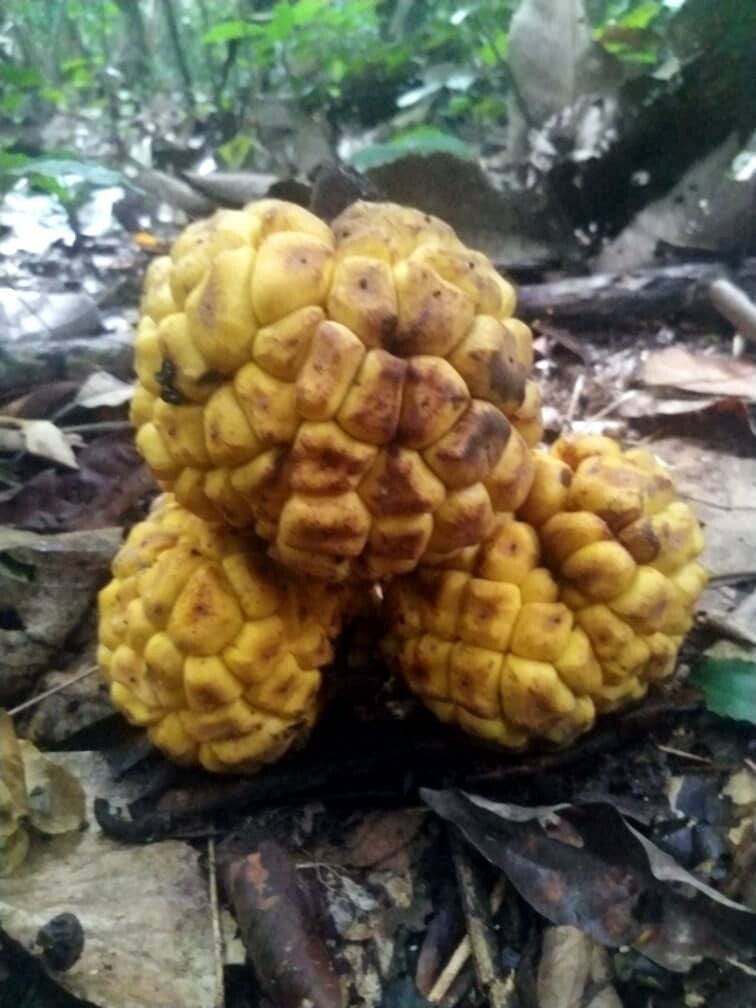
Oh, hello there! Let’s chat about Myrianthus arboreus. You know, the one with those gorgeous, dramatic, palm-like leaves? It’s truly a showstopper in any green space, and honestly, getting more of them to grow is one of those deeply satisfying garden victories. Think of it as sharing the love, one beautiful leaf at a time.
For those just dipping their toes into the wonderful world of plant propagation, I’d say Myrianthus arboreus is moderately easy. It’s not one of those finicky divas, but it does appreciate a bit of TLC and understanding. With a few key techniques, you’ll be well on your way to a small jungle of your own.
The Best Time to Start
I find the sweet spot for propagating Myrianthus arboreus is during its active growing season, which usually means spring and early summer. This is when the plant has the most energy to put into rooting new growth. Waiting until the plant is really putting on a spurt of new leaves is a good indicator that it’s ready and willing to share.
Supplies You’ll Need
Before we get our hands dirty, let’s gather our troops:
- Sharp pruning shears or a clean, sharp knife: For taking clean cuts.
- Rooting hormone (optional but recommended): A little boost can make a big difference.
- Well-draining potting mix: I like a blend of perlite, coco coir, and a bit of regular potting soil. Think fluffy!
- Small pots or propagation trays: With drainage holes, of course.
- Plastic bags or a propagation dome: To create a humid environment.
- Watering can or spray bottle: For gentle watering.
Propagation Methods
Let’s dive into the how-to! My personal favorite and most reliable method for Myrianthus arboreus is stem cuttings:
- Select Your Cutting: Look for a healthy, semi-hardwood stem on your mature plant. This means it’s not brand new, bright green growth, but not woody and old either. Aim for a stem that has at least two to three leaf nodes (where the leaves attach to the stem).
- Make the Cut: Using your sharp pruning shears or knife, make a clean cut just below a leaf node. This is crucial for encouraging root development.
- Prepare the Cutting: Gently remove the lower leaves, leaving only one or two at the very top. If the remaining leaves are very large, I like to cut them in half to reduce water loss through transpiration.
- Apply Rooting Hormone (Optional): Dip the cut end of the stem into your rooting hormone powder or gel. Tap off any excess.
- Plant Your Cutting: Fill your small pot with your well-draining potting mix. Make a small hole in the center with your finger or a pencil.
- Insert the Cutting: Gently place the cut end of the stem into the hole, making sure at least one leaf node is buried under the soil surface. You can use a chopstick or pencil to gently firm the soil around the cutting.
- Water Lightly: Water the soil gently to settle it around the cutting.
- Create Humidity: Now, for the magic! Cover the pot with a clear plastic bag (making sure the leaves don’t touch the plastic) or place it under a propagation dome. This will help keep the humidity high, which is essential for cuttings to root.
The “Secret Sauce” (Pro Tips)
Here are a couple of things I’ve learned over the years that really give a cutting the best chance:
- Bottom Heat is Your Friend: If you have a heating mat specifically for propagation, use it! Placing your potted cuttings on a gentle heat source can significantly speed up the rooting process by encouraging root development from below. It’s like giving them a warm hug from the soil up.
- Don’t Overwater, but Keep It Consistently Moist: This is a delicate balance. The soil should always feel evenly moist, like a wrung-out sponge. If it dries out completely, your cutting will likely fail. However, soggy soil is a recipe for rot, so water judiciously, only when the top inch of soil feels dry. A good way to check is by lifting the pot; you’ll notice the weight difference.
Aftercare & Troubleshooting
Once your cutting has been planted and covered, place it in a spot with bright, indirect light. Avoid direct sun, as it can scorch the leaves and dry out your cutting too quickly.
You’ll start to see signs of life after a few weeks, or sometimes a couple of months. The best indicator is when you see new leaf growth emerging from the top of the cutting. You can also give it a very gentle tug; if you feel resistance, roots have formed!
The most common issue you might encounter is rot. If you notice the stem turning mushy or black, or if the leaves are wilting and then turning black, it’s likely rot. This is usually due to overwatering or poor air circulation. If you catch it early, you might be able to save it by cutting away the rotted portion and repotting in fresh, dry, well-draining mix and improving air circulation.
Once new roots have established (you’ll likely see them peeking out of the drainage holes, or you’ll feel that resistance when gently tugging), you can gradually remove the plastic cover over a few days to acclimate it to normal humidity. Then, it’s time for it to move into a slightly larger pot when it looks ready.
And there you have it! Don’t be discouraged if your first attempt isn’t perfect. Gardening is all about learning and a little bit of patience. Watching a new plant emerge from a tiny cutting is a truly magical experience. Enjoy the journey and happy propagating!
Resource:
https://identify.plantnet.org/k-world-flora/species/Myrianthus%20arboreus%20P.Beauv./data