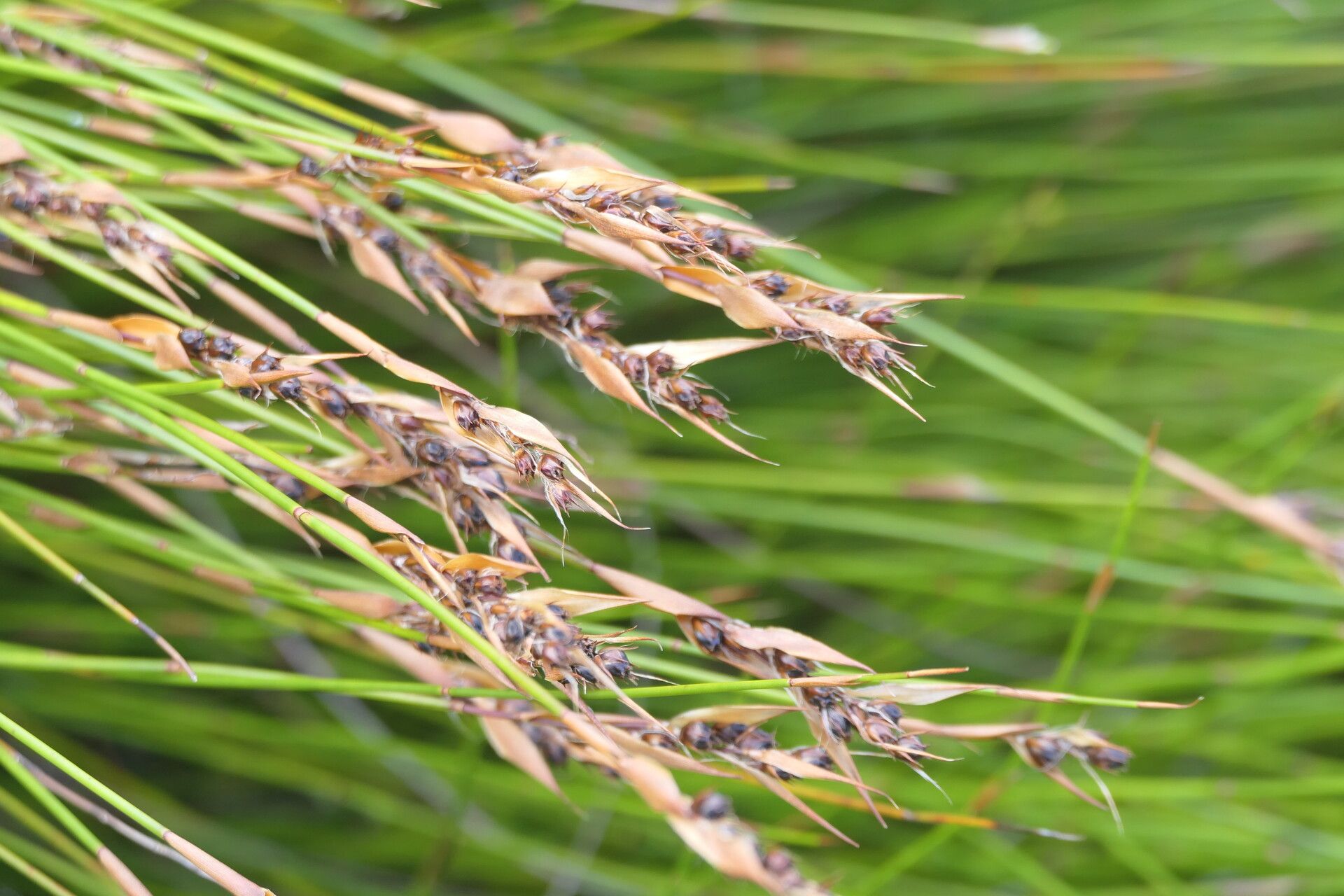
Oh, hello there! Pull up a chair, let’s chat about one of my favorite ornamental grasses: Elegia juncea, or as we often call her, the “Cape Rush.” If you’re looking for a plant that brings architectural elegance to the garden, with those stunning, reed-like stems that sway so gracefully, then Elegia is your gal. And the best part? You can easily multiply this beauty yourself!
Why Propagate Elegia Juncea?
Honestly, there’s a special kind of joy in taking a little piece of a plant you love and watching it grow into its own. It’s incredibly rewarding, and with Elegia juncea, it’s also incredibly practical. Want more of that dramatic texture by your pond? Or perhaps to share a piece with a fellow garden enthusiast? Propagating is the way to go. Now, for beginners, I’ll be honest, Elegia isn’t as foolproof as, say, a pothos, but with a little care and following these steps, you’ll be well on your way to success. Don’t let that deter you; it’s a wonderfully achievable project!
The Best Time to Start
For Elegia juncea, the absolute sweet spot is late spring to early summer. This is when the plant is actively growing, and its stems have a bit of maturity to them but haven’t become overly woody. You want to take cuttings from healthy, vigorous growth. If you miss that window, don’t despair too much; you can sometimes get away with it in early fall, but spring is definitely prime time for the highest success rate.
Supplies You’ll Need
Before we dive in, let’s gather our tools:
- Sharp, clean pruning shears or a sharp knife: Sterilize them with rubbing alcohol to prevent disease.
- Rooting hormone (powder or gel): This isn’t strictly mandatory, but it significantly boosts your chances of rooting.
- A well-draining potting mix: I like a 50/50 blend of perlite and peat moss or coco coir. A bit of coarse sand can also be good. You need excellent drainage for these.
- Small pots or seed trays: Clean pots are a must.
- Clear plastic bags or a propagator lid: To create a humid environment.
- A watering can with a fine rose: To water gently.
Propagation Methods
Generally, stem cuttings are the most reliable and common method for Elegia juncea. Division is also possible, but cuttings are often more successful.
Here’s how to tackle stem cuttings:
- Select Your Stems: Find healthy, non-flowering stems on your established Elegia. Look for stems that are about 4-6 inches long. You want them to be sturdy but not yet fully mature and hard.
- Take the Cuttings: Using your clean shears, make a clean cut just below a leaf node (where the leaves emerge from the stem). Try to get a few nodes on each cutting.
- Prepare the Cuttings: Gently remove the lower leaves from the cutting, leaving only an inch or so of stem exposed at the bottom. If the stem is quite long and has many leaves at the top, you can cut the remaining leaves in half horizontally. This reduces water loss without removing too much of the plant’s energy source.
- Apply Rooting Hormone: Dip the cut end of the stem into your rooting hormone, tapping off any excess.
- Plant Your Cuttings: Fill your cleaned pots with your prepared potting mix. Make a small hole in the center of the mix with your finger or a pencil. Gently insert the hormone-coated end of the cutting into the hole, ensuring at least one or two leaf nodes are buried beneath the surface.
- Water Gently: Water the soil thoroughly but gently, until water drains from the bottom of the pot.
- Create Humidity: This is crucial! Cover the pot tightly with a clear plastic bag or place it in a propagator with a lid. This traps moisture and keeps the humidity high, which helps prevent the cuttings from drying out before they can form roots.
The “Secret Sauce” (Pro Tips)
Here are a few little tricks I’ve learned over the years:
- Don’t let the leaves touch the water (even the condensation): If you’re using a bag, try to prop it up a bit so the leaves aren’t constantly pressed against the plastic. Excess moisture on the leaves can lead to fungal issues, and we want healthy cuttings, not soggy ones!
- Bottom heat is a game-changer: If you have a seedling heat mat, place your pots on it. This gentle warmth encourages root development from below, which really gives your cuttings a much-needed boost. It mimics the warmth of spring soil.
- Patience and observation: Don’t poke and prod too much! Resist the urge to yank them up to check for roots. If you see new leaf growth, that’s usually a good sign that roots are forming.
Aftercare & Troubleshooting
Once your cuttings have been potted, place them in a bright, indirect light location. Avoid direct sun, which can scorch them. Keep the soil consistently moist, but not waterlogged. You can tell if they’re rooting when you see new growth emerging from the top. Typically, this takes anywhere from 4 to 8 weeks, sometimes longer.
If you notice your cuttings wilting, turning yellow, or developing black spots, don’t panic immediately. It could be too much sun, too little humidity, or overwatering. However, if they start to feel mushy and smell unpleasant, that’s rot setting in. Sadly, at that point, it’s usually best to discard them and start again. Make sure your potting mix is very free-draining; that’s your best defense against rot.
A Little Patience Goes a Long Way
Growing new plants is such a rewarding journey, and propagating Elegia juncea is no different. Enjoy the process of nurturing these little cuttings. Be patient, keep them happy, and you’ll soon have a garden full of these beautiful reeds! Happy gardening!
Resource:
https://identify.plantnet.org/k-world-flora/species/Elegia%20juncea%20L./data