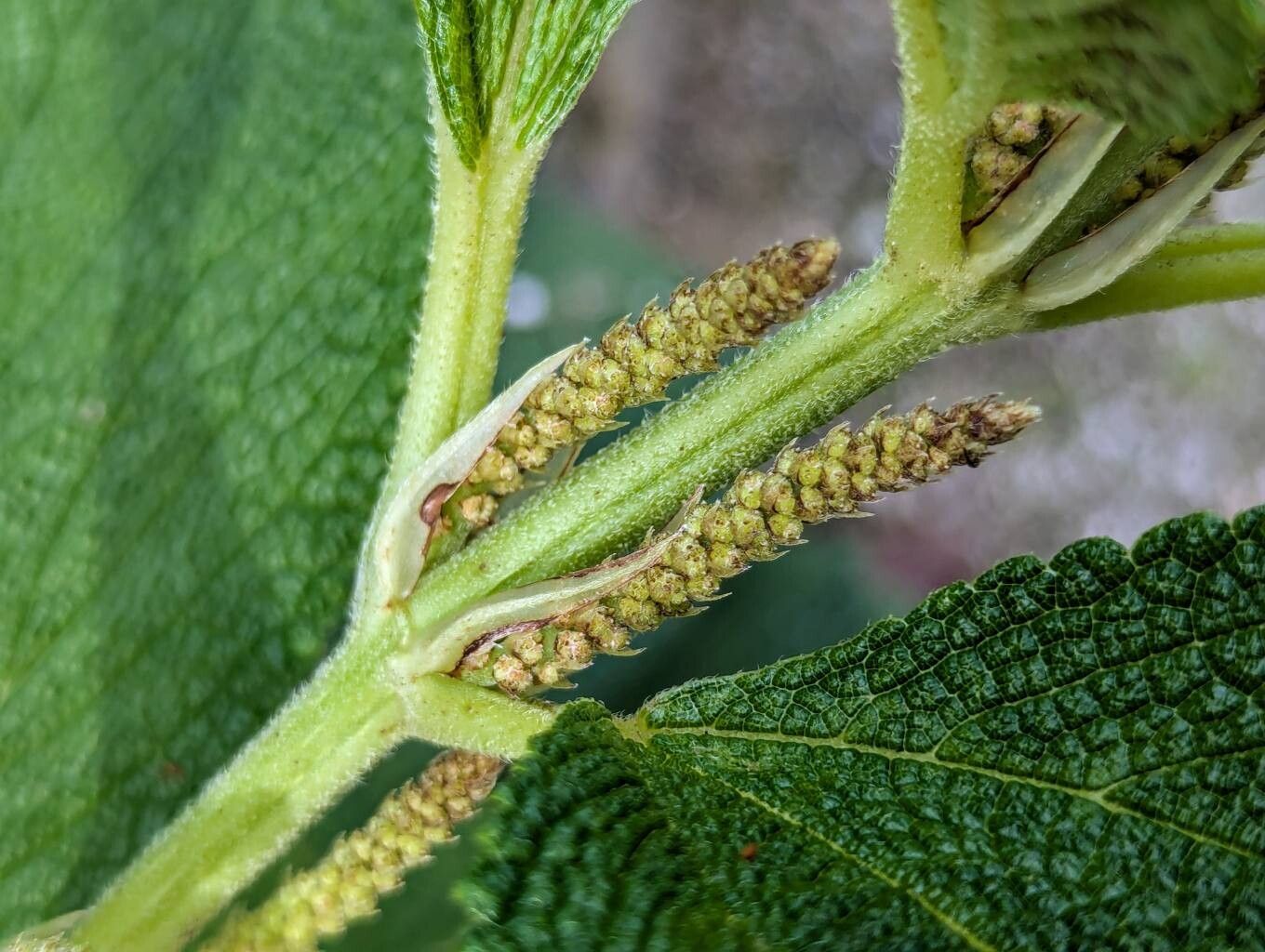
Hello, fellow plant enthusiasts! Today, we’re diving deep into the wonderful world of propagating Boehmeria splitgerbera. If you’ve ever admired its delicate, often shimmering leaves and graceful habit, you’re in for a treat. Growing Boehmeria from cuttings is surprisingly satisfying, like coaxing a new life from a single stem. Don’t be intimidated; while it’s not as foolproof as a succulent, I’ve found it to be a rather rewarding challenge for both seasoned gardeners and those just starting to explore the joy of plant multiplication.
The Best Time to Start
My favorite time to take cuttings for Boehmeria splitgerbera is definitely in late spring or early summer. The plant is usually in its most vigorous growth phase then, meaning those new stems have plenty of energy to put into rooting. You’re looking for healthy, semi-hardwood stems. These are the ones that have started to firm up but aren’t quite woody yet. Avoid anything that’s too soft and floppy or too tough and brittle.
Supplies You’ll Need
To give your Boehmeria cuttings the best possible start, gather these essentials:
- Sharp Pruning Shears or a Craft Knife: Cleanliness is key for healthy cuts.
- Rooting Hormone: A powdered or gel form works wonders, especially for woody stems.
- Well-Draining Potting Mix: I like to use a blend of equal parts perlite, orchid bark, and coco coir for excellent aeration. A good quality seed-starting mix with added perlite is also a solid choice.
- Small Pots or Seedling Trays: Clean pots are crucial to prevent disease.
- Clear Plastic Bags or a Propagation Dome: To create a humid environment.
- Watering Can with a Fine Rose or Spray Bottle: For gentle watering.
- Labels: To keep track of what you’ve planted and when.
Propagation Methods
I’ve had the most success with stem cuttings, and it’s a fantastic way to get multiple plants from one parent.
Stem Cuttings:
- Take Your Cuttings: Select a healthy stem and, using your clean shears or knife, make a cut just below a leaf node (that little bump where a leaf attaches). Aim for cuttings that are 4-6 inches long.
- Prepare the Cuttings: Gently remove the lower leaves from the bottom half of each cutting. This prevents them from rotting once they’re in the soil and encourages root development. You can leave one or two sets of leaves at the top.
- Apply Rooting Hormone: Dip the cut end of each prepared stem into your rooting hormone, tapping off any excess.
- Plant Your Cuttings: Fill your small pots or trays with your prepared well-draining mix. Make a small hole in the center of the mix with your finger or a pencil.
- Insert the Cuttings: Gently place the treated end of the cutting into the hole. Firm the soil around the stem to ensure good contact.
- Water Gently: Water the soil thoroughly until it’s evenly moist but not soggy.
- Create Humidity: Cover the pots with a clear plastic bag or place them under a propagation dome. Make sure the plastic doesn’t touch the leaves.
- Placement: Position the pots in a warm spot with bright, indirect light. Avoid direct sun, which can scorch the tender cuttings.
The “Secret Sauce” (Pro Tips)
Here are a couple of my go-to tricks that often make all the difference:
- Bottom Heat is Your Friend: Boehmeria cuttings really appreciate a little warmth from below. A heating mat designed for propagation, placed under your pots, can significantly speed up root formation. It mimics the warmth of spring soil wonderfully.
- Don’t Drown Those Leaves! When you water, aim to keep the soil consistently moist but never waterlogged. If you’re using a plastic bag or dome, check the condensation. If it’s excessive, open it up for a few hours to allow some air circulation. Roots need oxygen, too!
Aftercare & Troubleshooting
Once your cuttings have started to root (you can gently tug on them – if there’s resistance, you’ve got roots!), it’s time to transition them into more permanent care.
- Gradual Acclimation: Slowly reduce the humidity by opening the plastic bag or ventilation holes on your dome for longer periods each day over a week or two.
- Light Adjustment: Continue to provide bright, indirect light. As the new plant grows stronger, you can gradually introduce it to a bit more direct morning sun if that’s suitable for its mature needs.
- Potting Up: Once the roots are well-established and you see good new growth, it’s time to pot them into slightly larger containers using your regular potting mix.
Common Signs of Failure:
The most common issue is rot, which usually happens due to overwatering or poor drainage. If a cutting turns black and mushy, it’s likely succumbed to rot. You might also see the leaves wither and fall off. This can be due to insufficient humidity, too much direct sun, or simply an unhealthy cutting to begin with. Don’t despair if a few don’t make it – it’s all part of the learning process!
A Encouraging Closing
Propagating Boehmeria splitgerbera is a journey, and like any good garden project, it requires a little patience. Watch your cuttings closely, offer them gentle care, and celebrate every sign of life. Before you know it, you’ll have a whole collection of these beautiful plants to admire and share. Happy propagating!
Resource:
https://identify.plantnet.org/k-world-flora/species/Boehmeria%20splitgerbera%20Koidz./data