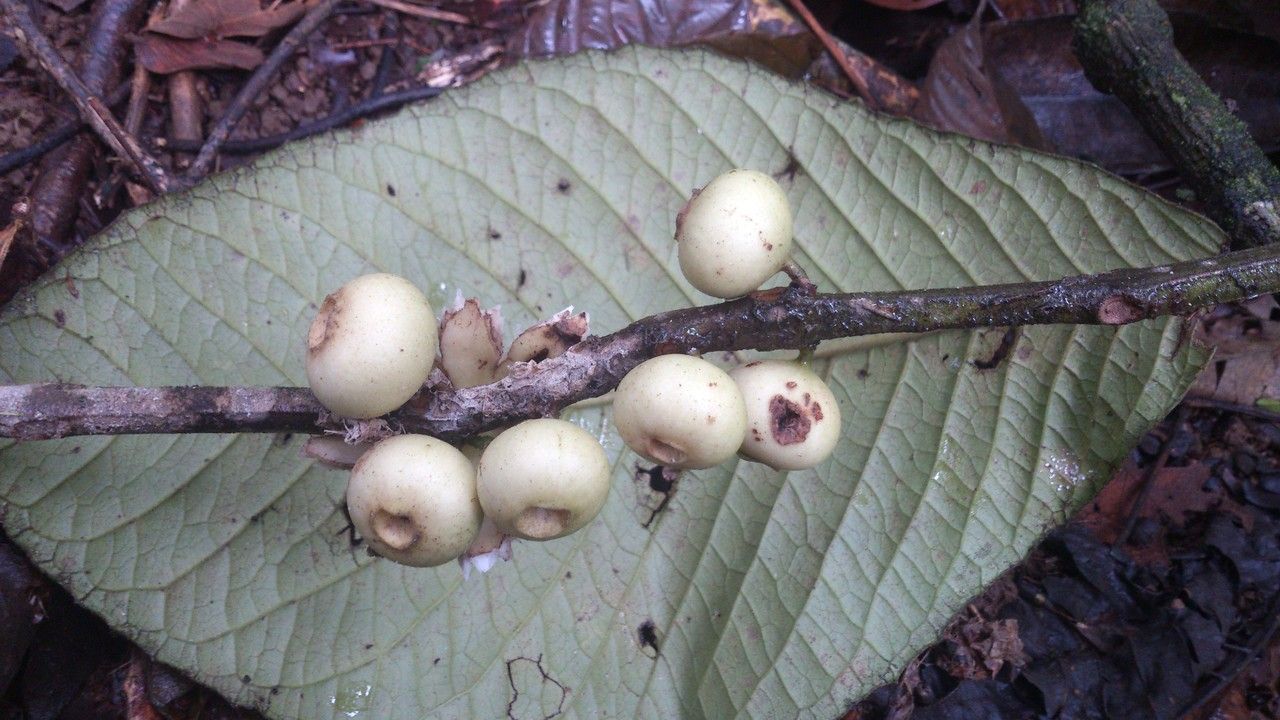
Oh, Siparuna pauciflora! If you’ve ever admired its glossy, ovate leaves and the subtle, spicy fragrance it releases when brushed, you’re not alone. This little gem, often called the “pepper tree” or “soda tree,” brings a touch of the exotic to any collection. And honestly, coaxing a new plant from an existing one? That’s pure gardening joy. I’ve found Siparuna pauciflora to be surprisingly forgiving, even for those just dipping their toes into propagation. It’s a plant that trusts you, if you give it a little care.
The Best Time to Start
For the highest success rate with Siparuna pauciflora, I always reach for my pruners in the late spring or early summer. This is when the plant is actively growing, brimming with energy that it can pour into those new cuttings. You’ll want to select stems that are semi-hardwood. This means they’ve started to firm up a bit but aren’t completely woody and stiff. Think of it as the perfect stage between soft and brittle.
Supplies You’ll Need
Gathering your supplies beforehand makes the whole process smoother. Here’s what I usually have on hand:
- Sharp, clean pruning shears or a sharp knife: For making clean cuts that heal well.
- Rooting hormone (powder or gel): This isn’t always essential, but it definitely gives cuttings a helpful boost.
- A well-draining potting mix: I love mixing equal parts perlite, peat moss, and a good quality potting soil. It keeps things airy and prevents soggy roots.
- Small pots or seed trays: Clean pots are key to preventing disease.
- A clear plastic bag or a propagator lid: To create a humid environment.
- A watering can with a fine rose: For gentle watering.
- Optional: Bottom heat mat: This can speed up rooting significantly, especially in cooler conditions.
Propagation Methods
My go-to method for Siparuna pauciflora is stem cuttings. It’s straightforward and has yielded wonderful results for me time and time again.
- Take Your Cuttings: Using your clean shears, select a healthy stem from your mature Siparuna. Aim for pieces that are about 4-6 inches long. Make your cut just below a leaf node. This is where roots are most likely to form.
- Prepare the Cuttings: Gently remove the lower leaves from the cutting, leaving just a few at the top. This helps the plant conserve energy and prevents leaves from rotting in the soil. If your cutting is very long with many leaves, you can even pinch off the top set of leaves to further reduce moisture loss.
- Apply Rooting Hormone: Dip the cut end of the stem into your rooting hormone, tapping off any excess.
- Planting Time: Fill your clean pots with your prepared potting mix. Make a small hole in the center of the soil with your finger or a pencil.
- Insert the Cuttings: Gently insert the prepared cuttings into the holes, about an inch deep. Firm the soil gently around the base of each cutting.
- Water In: Water the soil thoroughly but gently. You want the soil to be moist, not waterlogged.
- Create Humidity: Place the potted cuttings into a clear plastic bag, tying it loosely at the top, or cover the pot with a propagator lid. This creates a mini-greenhouse, keeping the humidity high, which is crucial for cuttings.
The “Secret Sauce” (Pro Tips)
Over the years, I’ve picked up a few tricks that seem to make all the difference.
- My absolute favorite tip for Siparuna cuttings is to avoid letting any leaves touch the soil. Even the lowest ones you kept can be a sneaky spot for rot to start. Trim them back a little further if you think they might dip down.
- If you’re using a plastic bag, open it up for an hour each day to allow for some air circulation. This helps prevent fungal issues from developing. Think of it as a little ‘breather’ for your tiny plants.
- And here’s a big one: Don’t be tempted to constantly check for roots too early! It’s like checking on a cake in the oven – you can disrupt the process. Patience is your best friend here.
Aftercare & Troubleshooting
Once your Siparuna cuttings have roots – and you’ll know this when you see new leaf growth or feel a gentle tug when you very carefully try to wiggle them – it’s time for them to begin their independent life.
Gradually acclimatize them. Slowly open up the plastic bag or propagator over a few days. Then, you can transplant them into their own individual pots. Continue to keep them in bright, indirect light and consistently moist soil.
If you notice leaves turning yellow and dropping, or a slimy, mushy stem base, it’s likely rot. This is usually due to too much moisture and not enough air circulation. If you see this, pull out the affected cutting immediately, discard it, and reassess your watering and humidity levels with your remaining cuttings. Sometimes, a bit of rot is just part of the learning process.
A Encouraging Closing
Propagating Siparuna pauciflora is a journey, and like any good journey, it’s about the experience as much as the arrival. Be patient with your little cuttings, trust the process, and soon you’ll have the joy of sharing these beautiful plants with others, or simply expanding your own delightful collection. Happy propagating!
Resource:
https://identify.plantnet.org/k-world-flora/species/Siparuna%20pauciflora%20(Beurl.)%20A.DC./data