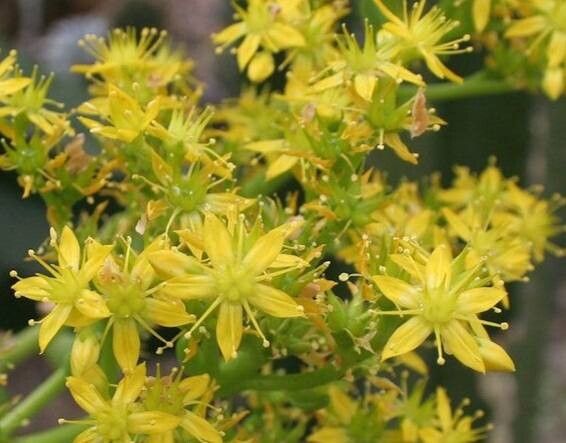
Oh, hello there! I’m so glad you’ve come to chat about Sedum dendroideum. If you’re looking for a plant that’s as forgiving as it is beautiful, you’ve found a winner. Those succulent, jade-green leaves are just lovely, aren’t they? Watching a tiny cutting transform into a robust new plant is one of gardening’s greatest joys, and with this particular sedum, you’re in for a treat. It’s wonderfully easy to propagate, making it a fantastic choice for anyone just starting out or looking to fill their garden with more of these delightful specimens without breaking the bank.
The Best Time to Start
My favorite time to get stuck into propagating Sedum dendroideum is during its active growing season. That generally means late spring through early to mid-summer. The plant is buzzing with energy then, and cuttings will have the best chance of rooting quickly. Avoid trying this when the plant is dormant or stressed, like during extreme heat or unexpected cold snaps.
Supplies You’ll Need
Gathering your supplies beforehand makes the whole process much smoother. Here’s what I usually grab:
- Sharp Pruning Shears or a Knife: For clean cuts that heal well.
- Well-Draining Potting Mix: A cactus or succulent mix is perfect. You can also make your own by combining equal parts potting soil, perlite, and coarse sand.
- Pots or Trays: Small pots (around 4-inch) are great for individual cuttings.
- Rooting Hormone (Optional but Recommended): This is powdered stuff that really gives your cuttings a boost in rooting.
- Watering Can or Spray Bottle: For gentle watering.
- Small Stakes or Labels: To mark your cuttings and remember what you’ve planted.
Propagation Methods
Sedum dendroideum is super versatile, and thankfully, propagating it is a breeze. I usually go for stem cuttings, but you can also try division if you have a larger, established plant.
1. Stem Cuttings (My Go-To!)
This is my absolute favorite way to multiply my sedum collection.
- Choose Healthy Stems: Look for stems that are firm and have a good amount of foliage. Avoid anything that looks leggy, pale, or diseased.
- Make the Cut: Using your sharp shears or knife, cut a stem section that’s about 4-6 inches long. Try to make the cut just below a leaf node, where new roots are likely to form.
- Remove Lower Leaves: Gently strip off the leaves from the bottom half of the stem. These can rot if left submerged in soil or water.
- Let Them Callus: This is a crucial step! Place the cuttings in a dry, shaded spot for a few days, usually 3-5 days. You’ll see the cut end start to form a dry, scab-like “callus.” This prevents rot when you plant them.
- Plant Your Cuttings: Fill your small pots with your well-draining mix. You can dip the callused end into rooting hormone if you’re using it, tapping off any excess. Then, insert the cuttings about 1-2 inches deep into the soil. Wiggle them gently to ensure good contact with the soil. I usually plant a few cuttings per pot, spaced a couple of inches apart.
- Water Gently: Once planted, give them a light watering. Don’t drench them; you want the soil to be moist, not soggy.
2. Division (For Established Plants)
If you have a mature, clumping Sedum dendroideum, you can divide it.
- Gently Excavate: Carefully dig up the entire plant.
- Separate the Roots: Gently tease apart the root ball, trying not to damage the roots too much. You’re looking for sections that have their own root system and a good amount of leafy growth.
- Replant: You can replant the divisions directly into pots or back into the ground. Water them in well.
The “Secret Sauce” (Pro Tips)
Here are a few little things I’ve learned over the years that can really make a difference:
- Don’t Drown Your Cuttings: This is probably the biggest mistake beginners make. While they need moisture to root, sitting in wet soil is a death sentence for succulents. Let the soil dry out slightly between waterings. A good check is to stick your finger about an inch into the soil. If it feels dry, it’s time to water again.
- Give Them a Warm Welcome: While not strictly essential for Sedum dendroideum, placing your pots on a warm surface, like a heat mat specifically designed for plants, can significantly speed up the rooting process, especially if your house is a little on the cool side. It mimics the warmth of summer soil.
- Embrace the Light, But Not the Burn: Place your newly potted cuttings in a spot that gets bright, indirect light. Direct sunlight, especially intense afternoon sun, can scorch those tender new stems and leaves before they’ve had a chance to establish.
Aftercare & Troubleshooting
Once your cuttings are potted, patience is your middle name! You’ll know they’re rooting when you see new growth appearing, or if you gently tug on a cutting and feel resistance. This can take anywhere from 3-6 weeks, sometimes longer.
Caring for Rooted Cuttings:
- Continue with Bright, Indirect Light: Gradually introduce them to more light as they grow stronger.
- Watering: Continue to let the soil dry out between waterings. These guys are drought-tolerant once established, so overwatering is still the primary concern.
- Transplanting: Once the plants have developed a good root system and are showing healthy growth, you can transplant them into larger pots or their permanent garden spot.
Common Signs of Trouble:
- Rotting: If a cutting turns mushy, black, and stinky, it’s rotting. This is almost always due to overwatering. Unfortunately, once rot sets in, it’s very difficult to save them. Prevention is key!
- Wilting or Shriveling: This can sometimes happen if the cutting hasn’t rooted yet and is using up its stored moisture. Make sure the soil isn’t bone dry for too long, but also doesn’t stay waterlogged. Sometimes, older leaves will shrivel and fall off as the plant focuses energy on new root and stem growth – that’s perfectly normal!
A Little Patience Goes a Long Way
So there you have it! Propagating Sedum dendroideum is a truly rewarding experience that invites you to connect with nature’s magic. Don’t get discouraged if one or two don’t make it – that’s just part of the learning curve. My best advice is to just enjoy the process, keep an eye on your little charges, and celebrate each new leaf or tiny root you spot. Happy propagating!
Resource: