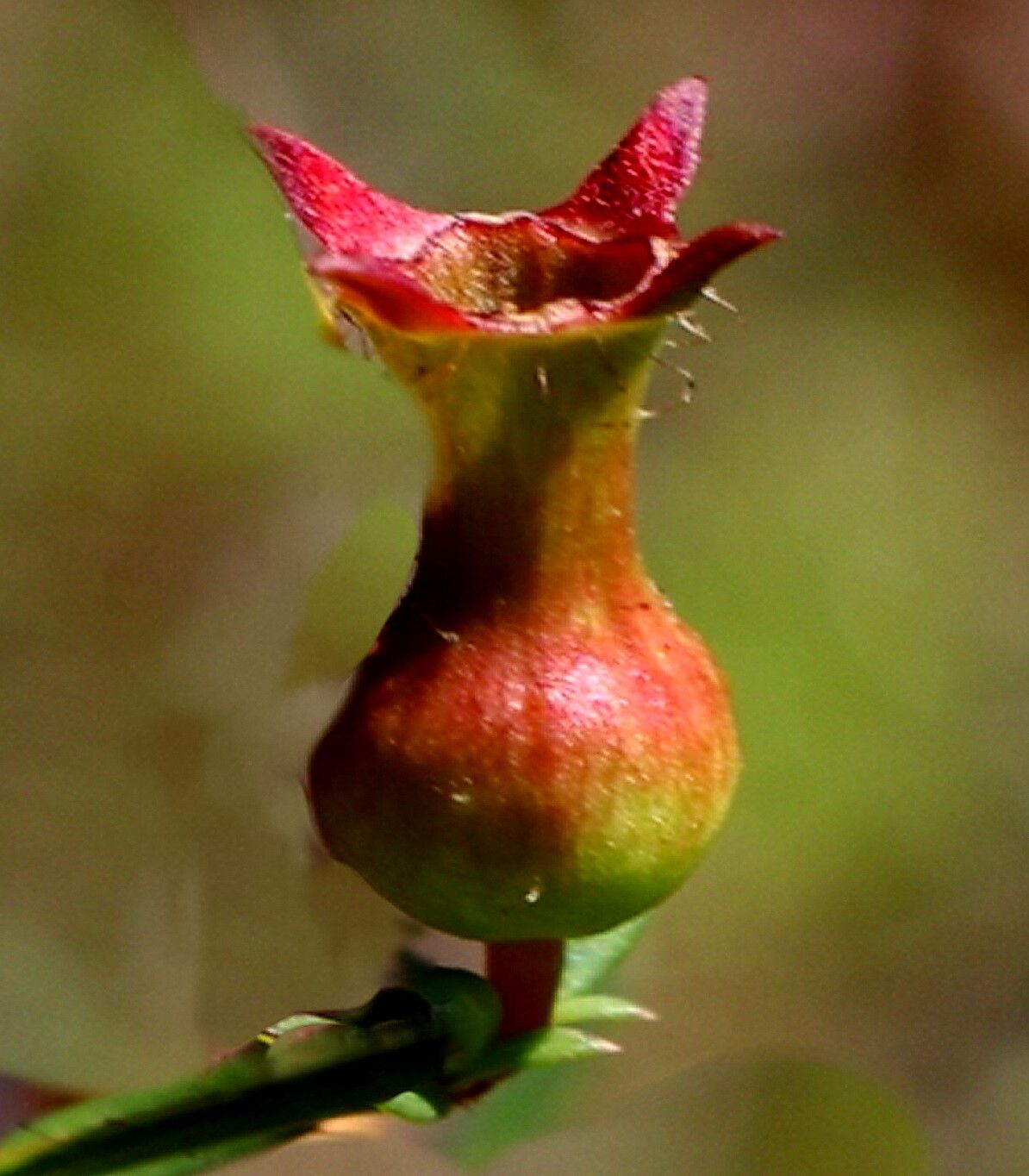
Gather ‘round, fellow plant lovers! Today, we’re diving into the wonderfully rewarding world of propagating Rhexia cubensis, also known affectionately by some as Meadow Beauty. If you’ve ever admired its delicate, jewel-like blooms and vibrant green foliage, you’re in for a treat. Getting more of these beauties to share your garden space with is simpler than you might think, and it’s a joy to watch them take root and thrive. For those just starting out with propagation, Rhexia cubensis is a wonderfully forgiving plant, making it a great candidate to build your confidence.
The Best Time to Start
The most reliable time to begin propagating your Rhexia cubensis is when it’s actively growing, typically in the late spring or early summer. This is when the plant has plenty of energy reserves and is eager to put forth new growth. You’ll want to select stems that are healthy and free from flowers or developing seed pods, as these divert the plant’s energy away from rooting.
Supplies You’ll Need
Here’s what I always have on hand when I’m setting up my propagation station:
- Sharp Pruning Shears or Scissors: Clean cuts are key for healthy root development.
- Rooting Hormone (Optional but Recommended): A gentle rooting hormone powder or gel can give your cuttings a helpful boost.
- Well-Draining Potting Mix: A good blend of peat moss, perlite, and vermiculite works beautifully. You can also use a commercial seed-starting mix.
- Small Pots or Trays: Clean pots or propagation trays with drainage holes are essential.
- Plastic Bags or Domes: To create a humid environment for your cuttings.
- Watering Can or Spray Bottle: For gentle watering.
Propagation Methods
Rhexia cubensis is a star when it comes to propagating from stem cuttings. It’s straightforward and usually yields excellent results.
- Take Your Cuttings: Using your sharp pruning shears, snip healthy, non-flowering stems that are about 4-6 inches long. Make the cut just below a leaf node (where a leaf attaches to the stem).
- Prepare the Cuttings: Gently remove the lower leaves from the cutting, leaving just one or two sets of leaves at the top. This helps prevent them from rotting once planted.
- Apply Rooting Hormone (Optional): If you’re using rooting hormone, dip the cut end of the stem into the powder or gel. Tap off any excess.
- Plant Your Cuttings: Fill your clean pots with the well-draining potting mix. Make a small hole with your finger or a pencil, and carefully insert the prepared cutting, tucking the soil gently around the stem.
- Create a Humid Environment: Water the soil lightly until it’s evenly moist. Then, cover the pot with a clear plastic bag or a propagation dome. Make sure the leaves aren’t touching the plastic if possible.
- Provide Light and Warmth: Place the pots in a bright location that doesn’t receive direct, harsh sunlight. A warm spot is also beneficial.
Another method, especially if you’re feeling adventurous, is water propagation. This is a fun way to watch the roots develop.
- Prepare Cuttings: Follow steps 1 and 2 from the stem cutting method.
- Place in Water: Put the prepared cuttings into a clean jar or vase filled with fresh water.
- Positioning is Key: Make sure that the leaf nodes are submerged in the water, but no leaves should be touching the water. Leaves submerged will rot and hinder root development.
- Change Water Regularly: Change the water every few days to keep it fresh and prevent bacterial growth. You’ll be able to see roots begin to form at the submerged nodes.
- Transplant Once Rooted: Once you see a good network of roots, usually about an inch long, you can carefully transplant them into pots filled with your well-draining potting mix.
For established, mature plants, division is also an option, typically done in early spring.
- Gently Excavate: Carefully dig up the plant being mindful not to damage the root system too much.
- Separate the Roots: Look for natural divisions in the root ball. You can often gently pull sections apart with your hands. If the roots are densely intertwined, you might need a clean trowel or even a sharp knife to make the divisions.
- Replant Immediately: Pot up each division in fresh, well-draining soil. Water them well and treat them as you would a newly established plant.
The “Secret Sauce” (Pro Tips)
Now, for a couple of tricks I’ve picked up over the years. First, for those stem cuttings, consider using bottom heat. A small seedling heat mat placed under your pots can significantly speed up root formation by keeping the soil consistently warm. It’s like giving your cuttings a cozy, encouraging embrace. Second, when I’m rooting my Rhexia cubensis cuttings in soil, I always mist them lightly with water every other day once they’re under the plastic. This keeps the humidity high without waterlogging the soil, creating that perfect microclimate they crave.
Aftercare & Troubleshooting
Once your cuttings have developed a healthy root system – you’ll see new growth emerging from the top, or feel some resistance when you gently tug on the cutting – it’s time to transition them. Gradually remove the plastic bag or dome over a few days to acclimate them to drier air. Continue to keep the soil moist but not soggy.
The most common issue you might encounter is rot. This usually happens due to overwatering or poor air circulation. If you see your cuttings turning mushy or developing black spots, it’s a sign of rot. Unfortunately, there’s not much you can do once rot sets in, so prevention is key! Ensure excellent drainage and monitor your watering closely. Other signs of failure can include leaves wilting and dropping off without any new growth appearing. This could be due to insufficient light, lack of humidity, or simply the cutting not being viable. Don’t get discouraged; sometimes it takes a few tries!
A Encouraging Closing
Propagating your own Rhexia cubensis is a truly rewarding journey. It offers a chance to multiply your garden’s beauty and share it with others. Be patient with the process; gardening is always a lesson in timing and trust. Enjoy watching those tiny roots emerge, and soon you’ll have a whole new collection of these enchanting Meadow Beauties to admire. Happy growing!
Resource:
https://identify.plantnet.org/k-world-flora/species/Rhexia%20cubensis%20Griseb./data