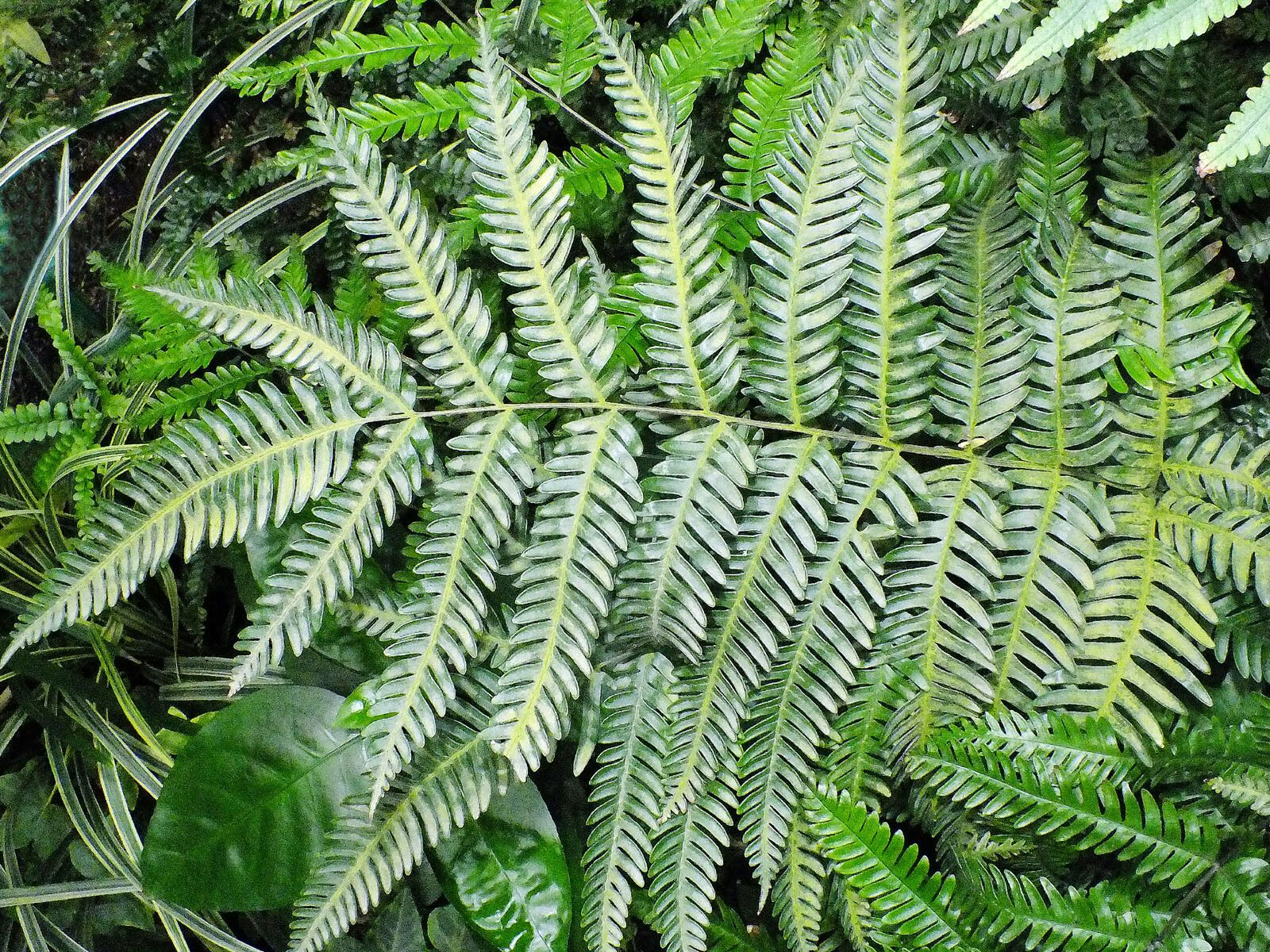
Oh, hello there! I’m so glad you’re interested in Pteris tripartita. If you’ve seen one of these beauties, you know exactly why they capture our hearts. Those intricate, divided fronds have a delicate architectural elegance that just lifts any space. And the best part? Growing more of them yourself is incredibly satisfying. It’s a real “grower’s high,” honestly.
For Pteris tripartita, I’d say it’s a wonderfully rewarding plant to propagate, and not overly challenging for a beginner, especially with a little guidance. You just need to give it what it loves.
The Best Time to Start
My favorite time to get going with Pteris tripartita is during its active growing season, which is typically from spring through summer. This is when the plant has the most energy to put into growing new roots and shoots. You’ll see lots of fresh growth, and that’s your cue!
Supplies You’ll Need
Here’s what you’ll want to have on hand:
- Sharp Pruning Shears or Knife: To make clean cuts.
- Well-Draining Potting Mix: A good blend for ferns, like peat moss mixed with perlite or coarse sand, works wonders. You can also find specific orchid or fern mixes.
- Small Pots or Propagation Trays: Clean, individual pots are best to avoid competition.
- Rooting Hormone (Optional but Recommended): Especially helpful for cuttings. Look for a powder or gel specifically for herbaceous plants.
- Clear Plastic Bag or Humidity Dome: To create a humid environment.
- Spray Bottle: For misting.
- Labels: So you don’t forget what’s what!
Propagation Methods
Pteris tripartita is most commonly and successfully propagated through division. It’s like magic when you can take one plant and turn it into several!
- Gather Your Plant: Gently remove your Pteris tripartita from its pot. It’s often easier to do this when the soil is slightly moist, not bone dry or soaking wet.
- Examine the Rhizomes: Look at the base of the plant. You’ll see thick, creeping stems called rhizomes. These are where new growth emerges. You’re looking for sections of the rhizome that have at least one healthy frond attached and, ideally, a little bit of root already present.
- Gently Divide: Carefully tease the rhizome apart with your fingers or a clean, damp knife. Try to separate sections that have a good clump of roots. Don’t be afraid to pull; if the plant is healthy, it will be robust. If you encounter stubborn areas, a little wiggle is usually all that’s needed.
- Pot Up Your Divisions: Place each divided section into its own small pot filled with your prepared potting mix. Ensure the rhizome is just barely covered with soil, and the base of the fronds is above the soil line.
- Water Well: Water each new pot thoroughly until water drains from the bottom.
The “Secret Sauce” (Pro Tips)
Now for a couple of little tricks I’ve learned over the years that make a big difference:
- Mimic the Mother Plant’s Environment: Pteris tripartita thrives in humidity! Once you’ve potted your divisions, don’t let them dry out. Cover the pots with a clear plastic bag or a humidity dome to keep the moisture levels high. This is crucial in the first few weeks as the plant establishes itself.
- Don’t Over-Pot: While it’s tempting to put a division into a big pot, start with smaller pots. This helps the soil dry out a little more evenly and prevents the young roots from getting waterlogged, which is the quickest way to invite rot.
Aftercare & Troubleshooting
Once your divisions are potted, keep them in a bright, indirect light location. Avoid direct sun, which can scorch those tender new fronds. Continue to mist regularly or ensure the humidity stays high.
You’ll know your Pteris tripartita is happy when you see new, unfurling fronds. This usually takes a few weeks.
The most common issue is rot, which you’ll notice if the rhizome turns mushy and black, or if fronds start to yellow and wilt even when the soil is moist. This is usually a sign of too much water and not enough air circulation. If you see this, gently remove the affected part. Sometimes, it’s a losing battle, but often, improving drainage and airflow can save it.
A Encouraging Closing
Propagating Pteris tripartita is a journey, and like all good gardening, it requires a little patience. Don’t get discouraged if not every attempt is a roaring success right away. Each plant you nurture into existence will be a little victory you can be proud of. Enjoy watching them grow!
Resource:
https://identify.plantnet.org/k-world-flora/species/Pteris%20tripartita%20Sw./data