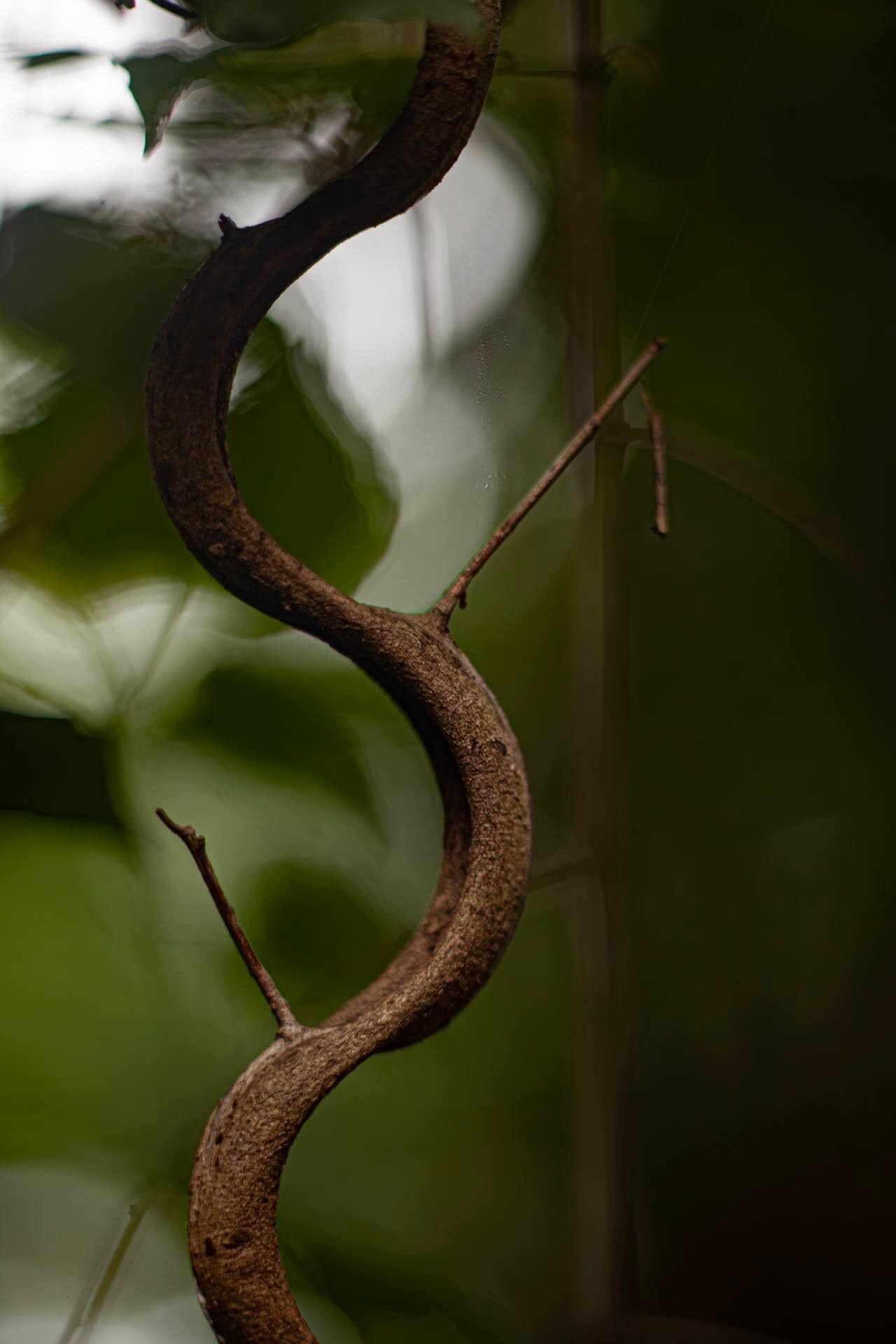
Hello fellow plant lovers!
There’s something so deeply satisfying about growing a plant from a tiny cutting or a division. It’s like witnessing a little bit of magic unfold right before your eyes. And when it comes to the star of our show today, Phanera scandens (also known as the climbing orchid vine), the rewards are even sweeter. This vine, with its delicate, orchid-like blooms, brings a touch of the tropics to any garden or indoor space. Its ability to climb and cascade makes it a real showstopper. If you’re new to the propagation game, don’t fret! Phanera scandens is quite amenable to a few simple techniques, making it a wonderful plant to practice your green thumb on.
The Best Time to Start
Generally, the sweet spot for propagating Phanera scandens is during its active growing season. Think late spring through early summer. This is when the plant has robust energy and is producing lots of new growth, which is what we want to tap into. You’re looking for stems that are firm and slightly woody but not old and brittle. If you live in a warmer climate with a long growing season, you might even get away with an early fall propagation, but spring is definitely your safest bet for the highest success rate.
Supplies You’ll Need
Gathering your tools before you start will make the whole process much smoother. Here’s what I like to have on hand:
- Sharp Pruning Shears or a Craft Knife: Clean cuts are vital for good rooting.
- Rooting Hormone (Optional but Recommended): This can significantly boost your success. Look for one formulated for stem cuttings.
- Small Pots or Seedling Trays: Clean containers are a must to prevent disease.
- Well-Draining Potting Mix: A good blend is key. I often use a mix of peat moss, perlite, and a little bit of coarse sand. Some prefer a specific orchid mix.
- Plastic Bags or a Propagator Lid: To create a humid environment.
- Spray Bottle: For gentle misting.
- Labels and a Marker: To keep track of your propagated plants.
Propagation Methods
Phanera scandens is quite forgiving, and I’ve had great success with stem cuttings.
1. Stem Cuttings
This is my go-to method for Phanera scandens. It’s straightforward and usually very effective.
- Select Your Cuttings: Find a healthy stem on your mature plant that has at least a few sets of leaves. Using your sharp pruning shears, make a clean cut just below a leaf node. A leaf node is where a leaf grows from the stem; this is where roots will form. Aim for cuttings that are about 4-6 inches long.
- Prepare the Cuttings: Gently remove the lower leaves, leaving just one or two sets of leaves at the top. This prevents them from rotting when they’re in the soil or water and reduces water loss. If your leaves are quite large, you can cut them in half horizontally.
- Apply Rooting Hormone (Optional): Dip the cut end of the stem into your rooting hormone powder or gel, tapping off any excess.
- Pot Them Up: Fill your small pots or seedling trays with your well-draining potting mix. Make a small hole in the center of the soil with your finger or a pencil. Insert the cut end of your prepared cutting into the hole, ensuring the leaf nodes are below the soil surface. Gently firm the soil around the stem.
- Water and Cover: Water the soil thoroughly until it drains from the bottom of the pot. Then, place the pot inside a clear plastic bag or cover it with a propagator lid to create a humid environment. Make sure the leaves aren’t touching the inside of the bag.
2. Water Propagation (A Bit More Delicate)
While I usually opt for soil for Phanera scandens, water propagation can work, though you need to be mindful.
- Prepare Cuttings: Follow the same steps for selecting and preparing your cuttings as above.
- Place in Water: Fill a small vase or jar with clean, room-temperature water. Place your prepared cuttings in the water, ensuring that only the stem is submerged and no leaves are touching the water. Leaves in the water will rot and spoil your chances.
- Change Water Regularly: Change the water every few days to keep it fresh and prevent bacterial growth.
- Watch for Roots: You should start to see tiny white roots emerge from the leaf nodes within a few weeks. Once you have a good cluster of roots (about an inch or so long), you can carefully transplant them into potting mix.
The “Secret Sauce” (Pro Tips)
Over the years, I’ve learned a few tricks that can really improve your odds.
- Bottom Heat is Your Friend: For stem cuttings, placing your pots on a gentle heat mat can dramatically speed up root development. It mimics the warmth of spring soil and gives those nascent roots a significant boost. Just a warm, not hot, setting is perfect.
- Don’t Overwater, but Keep it Moist: While a humid environment is crucial, soggy soil is the enemy. Make sure your potting mix is evenly moist but not waterlogged. You want to aim for the consistency of a wrung-out sponge. I like to check the soil moisture by gently pressing it with my finger. If the top inch feels dry, it’s time for a light watering.
- Good Air Circulation is Key: While we want humidity, stagnant, overly wet air can encourage fungal diseases. If you’re using a plastic bag, open it up for a few hours each day to allow for some fresh air exchange. This helps prevent rot while still maintaining that crucial humidity.
Aftercare & Troubleshooting
Once you see roots poking out of the bottom of the pot or new growth appearing, you’re in the home stretch!
- Acclimatize Slowly: If you’ve used a plastic bag or propagator, gradually remove it over a week or two. This helps your new plant adjust to the lower humidity of your home without shock.
- Move to Brighter Light: Once roots are established, you can start moving your new Phanera scandens to a spot with bright, indirect light. Avoid direct sun, which can scorch delicate new leaves.
- Water as Needed: Continue to water when the top inch of soil feels dry.
- Signs of Trouble: The most common issue is rot, which often looks like mushy, black stems. This is usually caused by overwatering or poor drainage. If you see this, try to salvage any healthy parts of the cutting and start again with drier soil and better air circulation. Yellowing leaves can indicate overwatering or insufficient light. Wilting might mean it’s too dry, or it’s struggling to establish its roots.
A Encouraging Closing
Remember, propagation is a journey, not a race. There will be times when a cutting just doesn’t take, and that’s perfectly okay! Don’t be discouraged. Each attempt is a learning experience. Be patient with your new little Phanera scandens, give it the care it needs, and I promise you, the joy of watching it grow and eventually bloom will be well worth the effort. Happy propagating!
Resource: