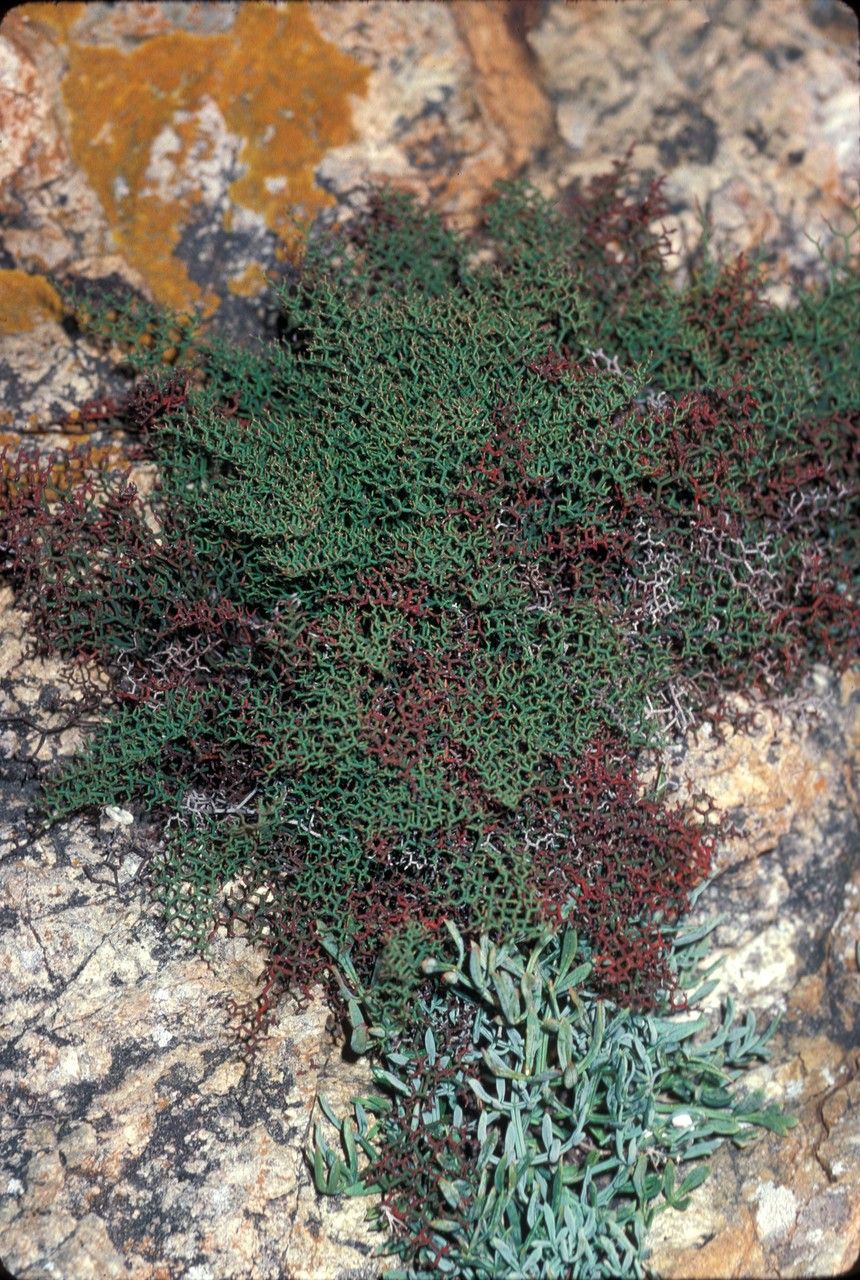
Oh, hello there! Grab a mug, won’t you? Today, we’re diving into the delightful world of propagating Limonium articulatum. This little gem, often known as sea lavender, brings such beautiful, papery blooms to the garden, perfect for drying and bringing that bit of coastal charm indoors. And the best part? Bringing more of this beauty into your life through propagation is incredibly satisfying. For some, Limonium can be a smidge tricky, but with a little know-how and patience, I promise you can do it!
The Best Time to Start
When it comes to Limonium articulatum, timing is key. I’ve found the late spring to early summer is the sweet spot. This is when the plant is actively growing, but before the intense heat of midsummer sets in. You’ll want to take cuttings from stems that are healthy and vigorous, but not yet flowering. Think of it as tapping into that fresh, youthful energy the plant has in the spring.
Supplies You’ll Need
Gathering your tools before you begin makes the whole process smoother. Here’s what I like to have on hand:
- Sharp pruning shears or a clean knife: For taking precise cuttings.
- Rooting hormone powder or gel: This really gives your cuttings a boost.
- Well-draining potting mix: A blend of peat moss or coco coir, perlite, and a little sand works wonderfully. You can also buy a specific seed-starting or propagation mix.
- Small pots or seed trays: Clean ones are essential to prevent disease.
- Plastic bags or a propagation dome: To create a humid environment.
- Watering can with a fine rose: For gentle watering.
- Labels: To keep track of what you’ve planted!
Propagation Methods
While you can try to get Limonium to root from seed, I’ve found stem cuttings to be the most reliable method for this particular species. Division is also an option for established plants, but I’ll focus on cuttings here.
Stem Cuttings
- Take the Cuttings: Using your clean shears, take cuttings that are about 4-6 inches long. Look for healthy, non-flowering stems. Make the cut just below a leaf node – that little bump where a leaf emerges.
- Prepare the Cuttings: Gently remove the lower leaves from the cutting, leaving just a couple at the top. This prevents them from rotting in the soil.
- Apply Rooting Hormone: Dip the cut end of each stem into your rooting hormone, tapping off any excess. This step is really important for encouraging root development.
- Plant the Cuttings: Fill your small pots or trays with your prepared potting mix. Make a small hole with your finger or a pencil and gently insert the cutting. Firm the soil around it.
- Create Humidity: Water the soil lightly. Then, cover the pots with a clear plastic bag, creating a mini-greenhouse. You can also use a propagation dome. Make sure the leaves don’t touch the plastic if possible.
- Location, Location, Location: Place the pots in a bright spot out of direct sunlight. A windowsill or under grow lights is perfect.
The “Secret Sauce” (Pro Tips)
Now, for a couple of little tricks I’ve learned over the years. These often make all the difference!
- Bottom Heat is Your Friend: If you can, place your pots on a heating mat designed for seedlings. This gentle warmth from below encourages root formation much faster. It mimics the warmth of the soil in late spring.
- Don’t Drown Them: While humidity is crucial, overwatering is the fastest way to kill a cutting. The soil should feel consistently moist, but never soggy. If you see water pooling, carefully tip out the excess.
- Patience, Darling: Limonium articulatum isn’t the fastest rooter. Some cuttings might take a good 4-8 weeks to show significant root development. Resist the urge to constantly pull them up to check!
Aftercare & Troubleshooting
Once you start seeing new leaf growth, that’s a good sign roots are forming!
- Gradual Acclimation: Once roots have developed (you might see them peeking out the drainage holes), gradually introduce your new plants to a less humid environment. Start by opening the plastic bag for a few hours each day, then remove it completely over a week or so.
- Gentle Watering: Continue to water gently. Allow the top inch of soil to dry out between waterings.
- Potting Up: When your new plants are large enough to handle easily and have a good root system, you can pot them up into slightly larger containers with your regular well-draining potting mix.
The most common sign of failure is rot, which usually comes from too much moisture and poor air circulation. If a cutting turns brown and mushy, it’s usually a lost cause. Don’t be discouraged! Just clean up the pot and try again with fresh cuttings, paying close attention to watering and humidity.
A Word of Encouragement
Propagating plants is a journey, and every gardener, myself included, has had their share of learning experiences. Be patient with your Limonium articulatum cuttings. Celebrate every bit of progress, whether it’s a tiny new leaf or the first sign of roots. Enjoy the process of nurturing new life; that’s the true magic of gardening. Happy propagating!
Resource:
https://identify.plantnet.org/k-world-flora/species/Limonium%20articulatum%20(Loisel.)%20Kuntze/data