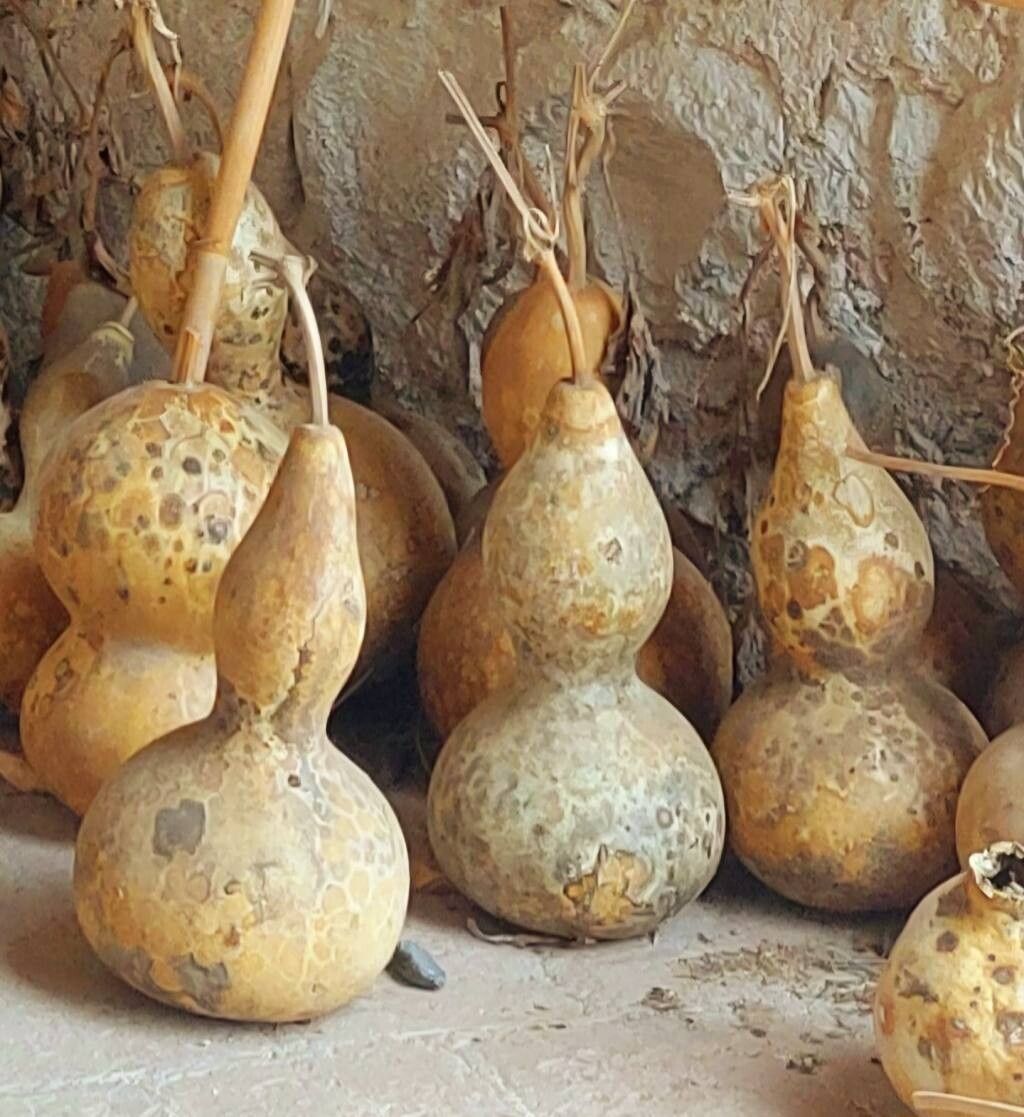
Hello fellow garden enthusiasts! Today, we’re diving into the wonderful world of Lagenaria siceraria, more commonly known as the bottle gourd. There’s something truly special about nurturing a plant from its very beginnings, and the bottle gourd offers a unique journey. Watching those seeds sprout and eventually mature into gourds that can be dried and transformed into useful crafts or decorative items is incredibly satisfying. For beginners, I’d say propagating bottle gourds from seed is quite accessible, which is a lovely bonus!
The Best Time to Start
The absolute sweet spot for starting bottle gourd seeds is after the last frost has passed in your area. They are tropical plants that absolutely adore warmth and sunshine. Think of planting them when you’d normally put out your tomatoes or peppers – when the soil has had a chance to warm up nicely. This ensures they have a long, sunny growing season to thrive.
Supplies You’ll Need
Here’s what you’ll want to have on hand for our propagation adventure:
- Bottle gourd seeds: Fresh seeds are always best!
- Seed-starting mix: A light, well-draining mix is crucial. You can buy specialized seed-starting trays or make your own with peat moss and perlite.
- Small pots or trays: For individual seedlings to grow on.
- Watering can with a fine rose/sprayer: To avoid disturbing delicate seedlings.
- Clear plastic bags or domes: To create a mini-greenhouse effect.
- Warm location: A sunny windowsill or a heat mat is ideal.
- Optional: Liquid fertilizer: A very diluted, balanced liquid fertilizer for when the seedlings are a bit bigger.
Propagation Methods
For bottle gourds, propagation from seed is the primary and most rewarding method. While some gardeners might experiment with cuttings from very young, vigorous plants, it’s not nearly as reliable or straightforward as starting from seed. So, let’s focus on the surest route!
Seed Starting Success:
- Seed Preparation: Sometimes, bottle gourd seeds can be a little tough to germinate. To give them a head start, I like to gently nick one edge of the seed coat with a small file or even a fingernail clipper. Be careful not to damage the inner seed. Alternatively, you can soak the seeds in warm water for 12-24 hours before planting. This softens the seed coat and encourages quicker germination.
- Sowing the Seeds: Fill your seed-starting pots or trays with your moistened seed-starting mix. Make a small hole about 1 inch deep in the center of each pot.
- Placing the Seed: Place one or two seeds in each hole. If you plant two, you can thin out the weaker seedling later.
- Covering Up: Gently cover the seeds with the seed-starting mix, pressing down lightly.
- Watering Gently: Using your watering can with a fine rose, water the mix thoroughly but gently. You want the soil to be moist but not waterlogged.
- Creating Humidity: Cover the pots or trays with a clear plastic bag or a propagator lid. This traps moisture and warmth, creating an ideal environment for germination.
- Finding the Warmth: Place your container in a warm location. A sunny windowsill that gets good morning light is usually perfect. If your home tends to be a bit cool, consider using a heat mat specifically designed for seedlings. This makes a huge difference!
- Patience, My Friend: Keep the soil consistently moist – not soggy, not dry. In about 7-14 days, you should start to see tiny green shoots emerging. Hooray!
The “Secret Sauce” (Pro Tips)
After years of coaxing these beauties to life, I’ve picked up a few tricks:
- Don’t let the seedlings get leggy: As soon as you see sprouts, make sure they are getting plenty of bright light. If they start to stretch and look thin and pale (we call this “leggy”), it means they aren’t getting enough sun. Move them to a brighter spot immediately or consider using grow lights.
- Bottom heat is your best friend: I mentioned it before, but I can’t stress this enough. Bottle gourds love warmth, and providing consistent bottom heat via a seedling heat mat dramatically increases germination rates and speeds up their initial growth. It’s a game-changer, especially if your home isn’t naturally very warm.
- Handle with care: When transplanting, or even just moving pots, remember that young bottle gourd stems are surprisingly tender. Avoid touching the leaves as much as possible; instead, handle them by their leaves or stems very gently.
Aftercare & Troubleshooting
Once your seedlings have developed their first set of true leaves (usually after the initial rounded seed leaves), you can start thinning them to one seedling per pot if you planted multiple. If you’re transplanting them into larger pots or directly into the garden (after the danger of frost has passed, of course!), do so with care.
Signs of Trouble:
- Damping off: This is a common fungal disease that affects seedlings. It causes the stem to rot at the soil line, and the seedling collapses. It’s often caused by overwatering and poor air circulation. Make sure your soil is well-draining and avoid soggy conditions.
- Yellowing leaves: This can indicate a few things. If it’s happening early on, it might be because they aren’t getting enough light. If it happens later, it could be a nutrient deficiency – that’s when a very diluted liquid fertilizer might come into play, but always water first.
- No germination: If after two weeks you see nothing, don’t despair! Sometimes seeds are just a bit stubborn. You can try planting a few more, perhaps after another soak.
A Little Gardening Magic
You’ve got this! Propagating bottle gourds from seed is a beautiful way to connect with nature and enjoy the fruits (or rather, gourds!) of your labor. Be patient, provide them with warmth and light, and celebrate each tiny step of their growth. Happy gardening, everyone!
Resource:
https://identify.plantnet.org/k-world-flora/species/Lagenaria%20siceraria%20(Molina)%20Standl./data