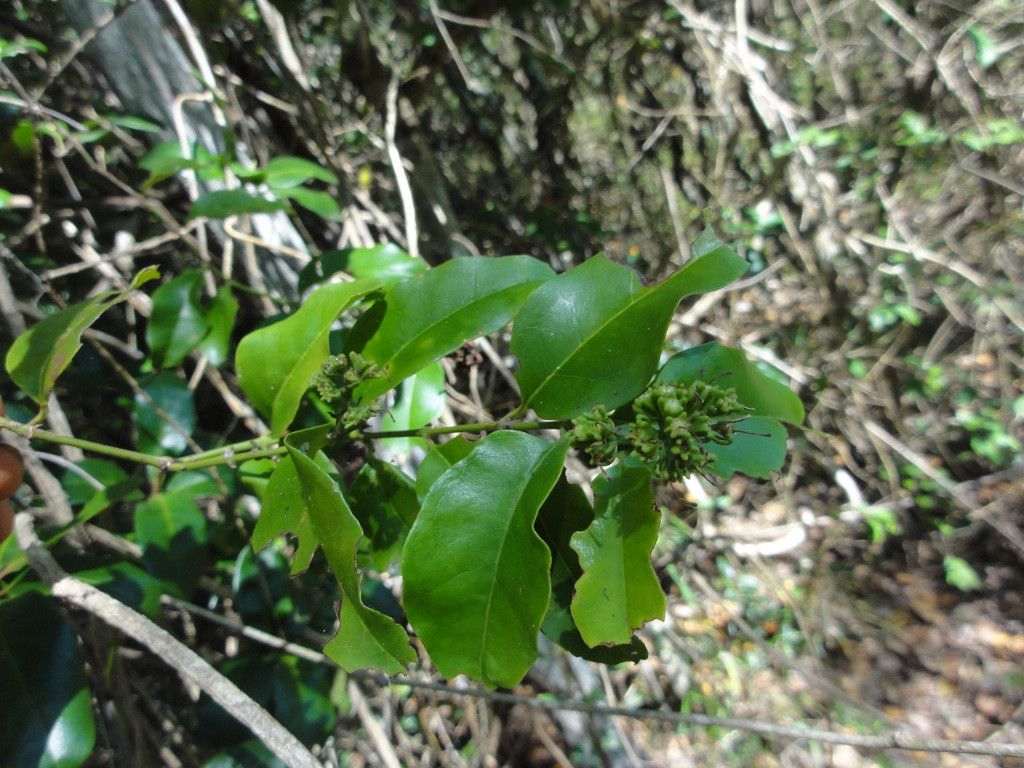
Hello there, fellow plant enthusiasts! It’s so wonderful to have you join me today. We’re going to dig into the delightful world of Jasminum elatum, a climbing jasmine that fills the air with its intoxicating perfume and cascades with delicate, often star-shaped flowers. Bringing more of this beauty into your garden or home is incredibly rewarding, and I’m thrilled to guide you through the process. Honestly, for those just starting out with propagation, Jasminum elatum is quite forgiving. You’ll likely find it a rewarding plant to practice your green thumb skills on!
The Best Time to Start
When it comes to getting the best results from your Jasminum elatum cuttings, late spring to early summer is your sweet spot. This is when the plant is actively growing, with lots of fresh, vibrant new shoots. These are the ones that have the best energy to root. You can also try taking cuttings in late summer, just as the most intense heat of summer starts to fade. This gives them time to establish before the cooler weather sets in.
Supplies You’ll Need
To get your propagation station ready, here’s a little list of what you’ll find most helpful:
- Sharp Pruning Shears or a Clean Knife: For making clean cuts.
- Rooting Hormone (Optional but Recommended): A powder or gel will give your cuttings a helpful boost.
- Small Pots or Seed Tray: With drainage holes, of course!
- Well-Draining Potting Mix: A blend of perlite, peat moss, and a bit of standard potting soil works wonders. You can also get specific seedling mixes.
- Plastic Bags or a Clear Dome: To create a humid environment.
- Watering Can with a Fine Rose: For gentle watering.
- Labels and a Pen: To keep track of your precious cuttings!
- Small Stakes or Bamboo Canes (if needed): To support your cuttings.
Propagation Methods
Let’s get our hands dirty with the most successful ways to propagate this charmer!
Stem Cuttings
This is my go-to method for Jasminum elatum. It’s straightforward and usually yields excellent results.
- Select Your Cuttings: Look for healthy, non-flowering shoots that are about 4-6 inches long. They should be semi-hardwood – meaning they’re not completely soft and new, but also not woody and old. You can usually tell by gently bending a stem; if it snaps cleanly, it’s a good candidate.
- Make the Cut: Using your sharp shears, make a clean cut just below a leaf node (where a leaf joins the stem).
- Prepare the Cuttings: Carefully remove the lower leaves, leaving just a couple at the very top. This prevents them from rotting in the soil and encourages root development.
- Apply Rooting Hormone (Optional): Dip the cut end of the stem into your rooting hormone powder or gel. Tap off any excess.
- Plant Your Cuttings: Fill your small pots with your prepared potting mix. Make a small hole in the center of the soil with a pencil or your finger, and gently insert the cutting. Firm the soil around the base of the stem.
- Water Gently: Water your newly planted cuttings thoroughly but gently, ensuring the soil is moist but not waterlogged.
- Create a Humid Environment: Cover each pot with a clear plastic bag (supported with stakes so it doesn’t touch the leaves) or place them under a clear dome. This traps humidity, which is crucial for preventing the cuttings from drying out.
- Place in a Warm, Bright Spot: Find a location that receives bright, indirect light. Avoid direct sun, as it can scorch the delicate cuttings.
Water Propagation (Best for Very Young Shoots)
While stem cuttings are my preference, you can try water propagation with very young, soft shoots.
- Take a Young Shoot: Similar to stem cuttings, take a 4-6 inch shoot that has a few leaves.
- Remove Lower Leaves: Strip off all but the top two leaves.
- Place in Water: Put the cuttings in a clean jar or vase filled with fresh water.
- “Don’t Let the Leaves Touch the Water!” This is key. Make sure the remaining leaves are well above the water level. If they touch, they’ll rot and take your cutting with them.
- Change Water Regularly: Change the water every few days to keep it fresh and prevent bacterial growth.
- Watch for Roots: Place the jar in a warm spot with bright, indirect light. You should see roots beginning to form within a few weeks. Once the roots are about an inch long, you can carefully transplant them into soil.
The “Secret Sauce” (Pro Tips)
Here are a few things I’ve learned over the years that can really make a difference:
- The Bottom Heat Trick: If you have a propagation mat or can place your pots on top of a gently warm surface (like a router or a well-used computer), this can significantly speed up root development. Jasminums love a bit of warmth at their base.
- Don’t Be Afraid to Disinfect: Before you start, give your pruning shears and any tools a quick wipe down with rubbing alcohol. This minimizes the risk of introducing diseases to your cuttings.
- Mist, Mist, Mist! Even with a plastic cover, giving the leaves a light misting of water every day or two can help keep them turgid and happy while they’re trying to root.
Aftercare & Troubleshooting
Once you start seeing new leaf growth – that’s your signal that roots are forming! Resist the urge to pull on the cutting to check.
- Acclimatize Slowly: Gradually introduce your rooted cuttings to the outside air by opening the plastic bag or dome for a little longer each day over a week.
- Transplant Carefully: Once they’ve acclimated, you can transplant them into slightly larger pots with good potting mix. Continue to keep them moist but not soggy.
- Watch for Rot: The most common problem you’ll encounter is rot, usually caused by overwatering or poor drainage. If a cutting turns black and mushy, it’s a lost cause. Remove it immediately to prevent it from affecting other cuttings.
- Yellowing Leaves: This can be a sign of too much or too little water, or insufficient light. Assess your conditions and adjust. Sometimes, just the stress of propagation can cause a few leaves to drop, so don’t panic if you lose one or two initially.
Keep Growing!
Propagating Jasminum elatum is a wonderful journey into plant multiplication. Be patient with yourself and your cuttings. Some will take off immediately, while others might take a little longer. Every successful rooting is a small victory, and soon you’ll have more of this fragrant beauty to share or enjoy. Happy growing!
Resource: