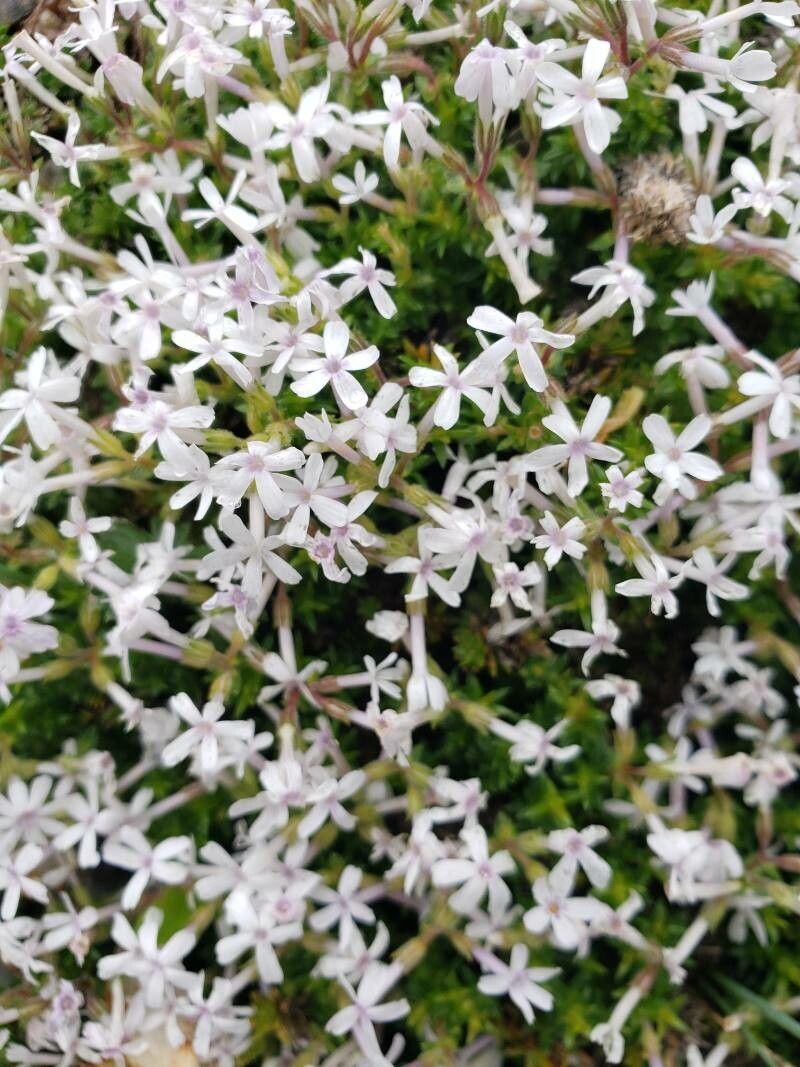
Oh, the joy of Hexaphylla hirta! If you’ve ever admired those lovely, intricate leaves and thought, “I wish I had more of those,” you’re in for a treat. Propagating this beauty is incredibly satisfying, and while it might sound a tad intimidating at first, I’ve found it’s quite doable with a little patience and the right approach. It’s not a plant that will necessarily stump a beginner, but paying attention to a few key details will really boost your success.
The Best Time to Start
For Hexaphylla hirta, I find that spring and early summer are your best bets. This is when the plant is in its most vigorous growth phase, meaning it has plenty of energy to put into developing new roots. You’re looking for healthy, actively growing stems. Avoid taking cuttings from a plant that’s just finished flowering or seems a bit stressed.
Supplies You’ll Need
Here’s what I always have on hand when I’m ready to propagate:
- Sharp pruning shears or a clean, sharp knife: For making clean cuts.
- Potting mix: A well-draining mix is key. I often use a blend of equal parts peat moss, perlite, and a bit of compost. Some folks swear by a specific succulent/cactus mix, which also works wonderfully.
- Small pots or seedling trays: Clean ones, please!
- Rooting hormone (optional but recommended): This little trick really speeds things up and encourages stronger root development.
- Plastic bag or a clear propagation dome: To create a humid environment.
- Watering can or spray bottle: For gentle watering.
Propagation Methods
My go-to for Hexaphylla hirta is stem cuttings, which gives you the most bang for your buck.
Here’s how I do it:
- Select your cutting: Look for a healthy stem that has at least 2-3 sets of leaves. Make your cut just below a leaf node (the point where a leaf attaches to the stem). Aim for cuttings that are about 4-6 inches long.
- Prepare the cutting: Gently remove the lower leaves, leaving just the top two or three. This prevents them from rotting when they’re in the soil or water.
- Apply rooting hormone (if using): Dip the cut end of the stem into the rooting hormone, tapping off any excess.
- Plant your cuttings: You have a couple of options here. You can directly plant them into your prepared potting mix. Make a small hole with your finger or a pencil, insert the cutting, and gently firm the soil around it. Alternatively, some people have great success with water propagation. Just place the cut end in a glass of water, ensuring the leaf nodes are submerged but the leaves themselves are out of the water.
- Create humidity: This is crucial! Cover the pot with a plastic bag or a propagation dome, making sure it doesn’t touch the leaves too much. If you’re water propagating, you don’t need a cover.
The “Secret Sauce” (Pro Tips)
Over the years, I’ve learned a few things that make a real difference:
- Don’t rush the water propagation: If you’re using water, change it every few days to keep it fresh. And, as you mentioned, absolutely don’t let those lower leaves touch the water. They’ll turn mushy and introduce rot to your otherwise healthy cutting.
- Bottom heat is a game-changer: If you have a heated propagation mat, use it! A little warmth from below really encourages those roots to sprout. Even placing the pot on top of an appliance that gives off gentle heat can help.
- Think about airflow: While humidity is important, stale air can lead to fungal issues. If your cuttings are covered, open the bag or dome for a few minutes each day to allow for fresh air exchange.
Aftercare & Troubleshooting
Once you think your cuttings have rooted (this can take anywhere from 3-8 weeks, so be patient!), gently tug on a stem. If you feel resistance, you’ve got roots!
- Transitioning: If they were in water, carefully transplant them into potting mix. If they were in soil, they’re already on their way!
- Watering: Water them thoroughly, then allow the top inch of soil to dry out before watering again.
- Light: Keep them in bright, indirect light. No direct sun just yet – it can be too harsh for these young plants.
Common issues? The most disheartening one is rot. If you see blackening or mushy stems, it’s usually a sign of too much moisture or poor drainage. Don’t be afraid to toss any that succumb and try again. Sometimes, cuttings just don’t take, and that’s okay. It’s all part of the learning curve.
A Encouraging Closing
Propagating Hexaphylla hirta is a wonderful way to expand your plant family and share the green goodness with friends. Don’t get discouraged if your first attempt isn’t a runaway success. Nature has its own timing, and with a little observation and care, you’ll soon be celebrating the arrival of those precious new roots. Happy propagating!
Resource: