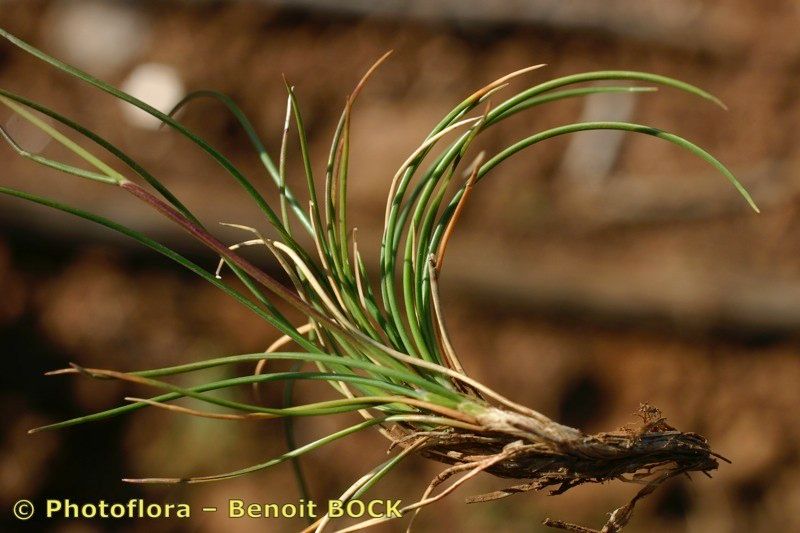
Hello, fellow garden lovers! It’s so wonderful to have you here. Today, we’re diving into the delightful world of Festuca auquieri, a grass that brings such wonderful texture and a calming, silvery-blue hue to any landscape. Seeing a patch of this grass sway gently in the breeze is pure poetry. And the best part? You can easily grow more of it yourself! Propagating Festuca auquieri is a really rewarding process, and I’m happy to report that it’s quite manageable for beginners. You’ll be amazed at how simple it can be to expand your collection.
The Best Time to Start
Timing is everything in gardening, and for Festuca auquieri, the absolute sweet spot for propagation is early spring. This is when the plant is just waking up from its winter rest and has plenty of energy to put into growing new roots. Waiting until the last frost has passed will give your young propagations the best chance to establish themselves before the heat of summer sets in.
Supplies You’ll Need
Before we get our hands dirty, let’s gather our essentials. You won’t need much, but having the right tools makes all the difference:
- Sharp Pruning Shears or a Clean Knife: For making clean cuts.
- Well-Draining Potting Mix: A mix of equal parts potting soil, perlite, and sand works beautifully.
- Small Pots or Seed Trays: Clean containers are a must!
- Rooting Hormone Powder (Optional but Recommended): This can give your cuttings an extra boost.
- Watering Can with a Fine Rose: For gentle watering.
- Dibber or Pencil: To make planting holes.
- Labels: So you don’t forget what you planted where!
Propagation Methods: The Magic of Division
For Festuca auquieri, the most successful and straightforward propagation method is division. This is essentially like gently splitting a mature plant into smaller, independent clumps, each with its own root system.
Here’s how we do it:
- Choose Your Mother Plant: Select a healthy, well-established Festuca auquieri clump. It should look vigorous and free of any pests or diseases.
- Gently Unpot or Excavate: If your plant is in a pot, carefully remove it. If it’s in the ground, use your spade to loosen the soil around the base and carefully lift the entire clump.
- Clean the Roots: Gently shake off as much of the old soil as you can from the root ball. This helps you see where the natural divisions lie and ensures you’re not carrying over any soil-borne problems.
- The Gentle Split: Now for the exciting part! You can do this by hand or with your sharp pruning shears. Carefully tease apart the root ball. Look for natural separations where the plant has grown outwards. You want to create new divisions that each have a good amount of roots and a few healthy shoots. Don’t be afraid to get a little firm, but always aim for a clean break, rather than tearing.
- Pot Up Your New Plants: Fill your clean pots with your well-draining potting mix. Make a hole in the center with your dibber or pencil that’s large enough for the roots.
- Planting Deeply: Place each new division into its hole, ensuring the roots are spread out. Refill the pot with soil, firming it gently around the base of the plant. The top of the root ball should be level with the soil surface.
- Water Thoroughly: Give your newly potted divisions a good, gentle watering. This helps settle the soil and encourages root contact.
The “Secret Sauce” (Pro Tips)
You’ve got the basics down, but here are a few little tricks I’ve learned over the years that can really boost your success rate:
- Don’t Overcrowd Your Pots: Give each division a little breathing room. Trying to cram too many into one pot can lead to competition for resources and potential rot.
- Embrace the Shade (Initially): While Festuca auquieri loves sun once established, newly divided plants can be stressed by direct, hot sun. Place your freshly potted divisions in a bright spot with filtered sun or dappled shade for the first week or two. This gives them time to acclimate without drying out too quickly.
- The Cool Kiss: After watering, I like to give the soil surface a light misting for the first few days. It mimics a gentle dew and helps keep things humid enough for the roots to begin their work without the risk of waterlogging the whole pot.
Aftercare & Troubleshooting
Once your new Festuca auquieri divisions are potted, keep them consistently moist but never waterlogged. Imagine a wrung-out sponge – that’s the ideal moisture level. Check the soil regularly; you’ll get a feel for it. After a few weeks, you should start to see new growth emerging. That’s your signal that roots are forming!
Now, what if things don’t go quite as planned? The most common issue you might face is rot. This usually happens if the soil stays too wet for too long, preventing the roots from getting any air. If you see your plant wilting or the base turning mushy and dark, it’s likely rot. Sadly, at that point, recovery is unlikely, but don’t be disheartened! It just means we learn and try again. Sometimes, a division might just not take, and that’s okay too.
A Heartfelt Closing
Growing plants is a journey of learning and a wonderful way to connect with nature. Propagation, especially of something as beautiful as Festuca auquieri, is a little act of garden magic. Be patient, enjoy the process, and celebrate every tiny new shoot you see. Before you know it, you’ll have a whole landscape filled with that lovely blue-grey shimmer. Happy gardening!
Resource:
https://identify.plantnet.org/k-world-flora/species/Festuca%20auquieri%20Kerguélen/data