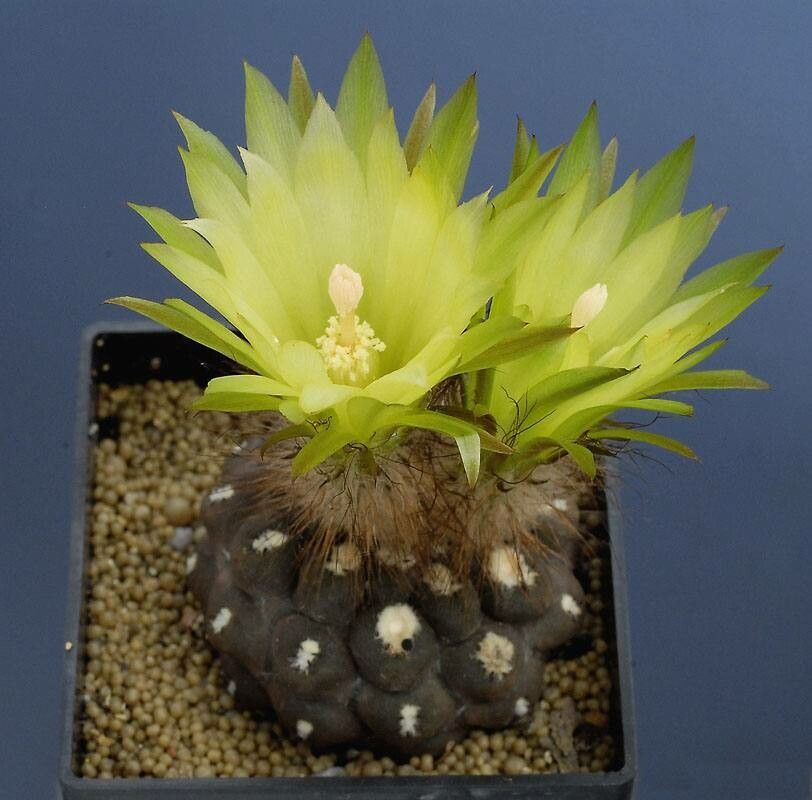
Oh, hello there! Come on in, pull up a chair. I’ve got a steaming mug of chamomile here with your name on it. You know, I’ve been thinking a lot about Eriosyce tenebrica lately. This little gem, with its fascinating ribbed body and often striking spines, is just a joy to have in any collection. And the satisfaction of creating a new one from an existing beauty? Well, that’s a feeling like no other. If you’re just starting out, I’d say Eriosyce can lean towards the more rewarding, perhaps even a little bit challenging, end of the spectrum, but with a few pointers, you’ll be doing splendidly.
The Best Time to Start
For our Eriosyce propagation adventures, spring and early summer are honestly your golden ticket. This is when the plant is naturally gearing up for active growth. Everything just… clicks then. You’ll find cuttings root more readily, and any divisions will bounce back with gusto. Think of it as giving your new plantlings the best start in life with plenty of sunshine and warmth to fuel their journey.
Supplies You’ll Need
Gathering your tools is half the fun, isn’t it? Here’s what I always have on hand:
- Well-draining potting mix: A succulent or cactus mix is perfect, but I often mix in a little extra perlite or pumice for super aeration.
- Clean, sharp pruning shears or a sharp knife: For making clean cuts that heal well.
- Rooting hormone (optional but helpful): A powder or liquid to give cuttings a little boost.
- Small pots or trays: For your new propagations. Make sure they have drainage holes!
- Gravel or small stones: For a top dressing, which can help keep the base of the plant dry.
- A watering can with a fine rose or a spray bottle: For gentle watering.
Propagation Methods
Let’s get our hands dirty, shall we? Eriosyce is quite versatile, but I find propagation by offsets and cuttings to be the most successful.
Offset Propagation (The Easiest Route!)
Sometimes, Eriosyce will naturally produce what we call “offsets” or “pups” – little baby plants that emerge from the base or sides of the parent.
- Wait for growth: Ideally, wait until an offset is at least a quarter of the size of the parent plant. This gives it a better chance of survival.
- Gently separate: Using your clean knife or shears, carefully cut or pry the offset away from the mother plant. Try to get a little bit of root attached if possible.
- Allow to callus: This is crucial! Place the offset in a dry, well-ventilated spot for a few days to a week. A scab will form over the cut, preventing rot.
- Pot it up: Once callused, plant the offset in your prepared succulent mix. Don’t water immediately. Wait a week or so for new roots to start establishing.
Stem Cutting Propagation (For the Adventurous)
This is where you can really expand your Eriosyce family!
- Take a cutting: Choose a healthy stem or a piece of the main body that’s at least a few inches long. Make a clean cut with your sterilized shears.
- Allow to callus: Just like with offsets, this is non-negotiable. Let the cutting dry and form a callus for at least a week, maybe even two, in a bright, dry spot. Patience here is key!
- Rooting hormone (optional): If you like, dip the callused end into rooting hormone.
- Planting: Stick the callused end into your well-draining mix. You can use a few cuttings per pot, but make sure they have their space.
- Initial watering: Again, do not water right away. Wait about 10-14 days. This gives any small nicks from planting time to heal too.
The “Secret Sauce” (Pro Tips)
Here are a few things I’ve learned over the years that make a real difference:
- Bottom heat is your friend! If you can, place your pots on a seed-starting heat mat. A gentle warmth from below encourages root development like you wouldn’t believe. It’s like giving them a cozy little incubator.
- Don’t overwater, ever! This is the biggest killer of succulents and cacti. When you do water, water thoroughly until it runs out the bottom, then let the soil dry out completely before watering again. Mist lightly if you’re worried about dust, but never let the soil stay soggy.
- Good airflow is vital. Ensure your propagations are in a spot with good air circulation. This helps prevent fungal issues and keeps things healthy. Think breezy, not stagnant.
Aftercare & Troubleshooting
Once you see signs of growth – that little bit of swelling at the base of a cutting or a new pup emerging from an offset – you’re on your way! Water more regularly, but still allowing the soil to dry between waterings. Gradually introduce more light as the plant becomes established.
The main thing to watch out for is rot. If you see your cutting getting mushy, turning black, or collapsing, it’s usually a sign of too much moisture and not enough airflow. If this happens, you might need to discard the affected part and let any remaining healthy sections callus again before attempting to replant. Don’t get discouraged! It happens to us all.
A Little Encouragement
See? It’s not rocket science, just a bit of patience and a good understanding of what these desert beauties need. Enjoy watching your little Eriosyce babies grow. There’s such a quiet thrill in nurturing a new life from a piece of an old one. Happy propagating!
Resource:
https://identify.plantnet.org/k-world-flora/species/Eriosyce%20tenebrica%20(F.Ritter)%20Katt./data