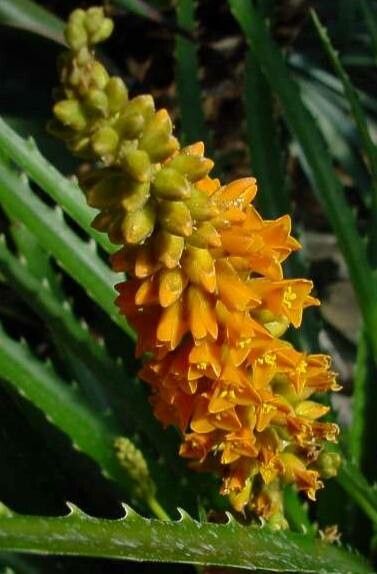
Hello, fellow plant lovers! If you’ve ever admired those spiky, architectural beauties in the bromeliad world, you’ve likely crossed paths with a Dyckia. And if you’re smitten with Dyckia frigida, in particular, you’re in for a treat. This particular species, with its silvery, toothy leaves, really commands attention. Propagating them is a wonderful way to multiply that spiky magic, and honestly, it’s more rewarding than you might think. Now, I’ll be upfront – Dyckia frigida isn’t the absolute easiest plant for a complete beginner to propagate. It likes things just so. But with a little guidance, you can absolutely achieve success.
The Best Time to Start
When it comes to Dyckia frigida, the sweet spot for propagation is definitely spring and early summer. This is when the plant is in its most active growth phase. Think of it like this: a plant that’s bursting with energy is much more likely to put that energy into growing new roots. You’ll often see little pups, or offsets, forming around the base of the mother plant during this time, which makes it the perfect opportunity.
Supplies You’ll Need
Before we dive in, let’s gather our tools. You don’t need anything too fancy, just the right stuff:
- Sharp, clean pruning shears or a knife: We want clean cuts to prevent disease.
- A good, gritty potting mix: I love a blend of one part cactus/succulent mix to one part perlite or pumice. This ensures excellent drainage, which is crucial for Dyckias.
- Rooting hormone (optional, but recommended): This can give your cuttings a nice boost. A powder or gel works well.
- A small pot or container: Something with drainage holes is a must.
- Labels: Trust me, you’ll thank yourself later!
- A watering can or spray bottle: Gentle watering is key.
Propagation Methods
Dyckia frigida is primarily propagated through division, as it naturally produces offsets. This is by far the most reliable method for this particular plant.
Division: Growing New Plants from Pups
- Wait for offsets: Look for small plantlets, or “pups,” that have formed around the base of your mature Dyckia frigida. These are essentially baby plants. Ideally, they should be at least a third to half the size of the mother plant.
- Gently remove the offset: Carefully dig around the base of the pup with your fingers or a small trowel. You want to expose where it’s attached to the mother plant.
- Make the cut (if necessary): If the pup is still firmly attached, use your sharp pruning shears or knife to make a clean cut as close to the mother plant as possible, ensuring the pup still has roots attached. If it lifts away easily with roots, even better!
- Allow to callus: This is a really important step for Dyckia. Place the newly separated pup in a dry, well-ventilated spot for 2-3 days. This allows the cut end to callus over, which helps prevent rot when you plant it.
- Pot it up: Fill your small pot with your gritty potting mix. You can lightly dust the callused end with rooting hormone if you’re using it. Make a small hole in the soil and firmly plant the pup, ensuring it’s stable.
- Water sparingly: Water very lightly after planting, just enough to settle the soil. You don’t want soggy roots right away.
The “Secret Sauce” (Pro Tips)
Here are a few things I’ve learned over the years that make a big difference:
- Less is more with water, especially at first: Dyckias absolutely hate sitting in wet soil. When you first pot up a division, only water when the soil is completely dry. And when you do water, water thoroughly and let it drain completely. Overwatering is the quickest way to lose a new pup.
- Good air circulation is your best friend: These plants thrive in airflow. Make sure the area where your new divisions are resting is well-ventilated. This helps the soil dry out and discourages fungal issues.
- Don’t rush the process: Patience is a virtue in gardening, and it’s especially true with Dyckia. Give your new divisions several weeks to establish before you even think about tugging on them to check for roots.
Aftercare & Troubleshooting
Once your pup has been in its pot for a few weeks and you’ve been watering judiciously, you’ll start to see signs of life. New leaf growth is a wonderful indicator that roots are forming. Continue to water as needed, allowing the soil to dry out between waterings. Gradually introduce it to brighter light, but avoid intense, direct sun initially.
The most common sign of trouble is rot. If your pup looks mushy, discolored, or starts to smell foul, it’s likely succumbed to rot, usually from too much moisture. If this happens early on, you might be able to save it by cutting away all the rotted parts and letting the remaining healthy bit callus for an extended period before trying to pot it again. But sometimes, it’s just not meant to be, and that’s okay. Don’t get discouraged!
Happy Growing!
Propagating Dyckia frigida might take a little more attention to detail than some other plants, but the reward of seeing those beautiful rosettes multiply is truly special. Be patient, keep an eye on moisture levels, and enjoy the journey of growing your own spiky green treasures. You’ve got this!
Resource:
https://identify.plantnet.org/k-world-flora/species/Dyckia%20frigida%20Hook.f./data